

Insurers Maintain Vaccine Coverage Following Trump Administration Schedule Changes

The Trump administration has issued an executive order to realign the U.S. childhood vaccine schedule, reducing the number of routinely recommended vaccines to seven. Despite concerns that these changes could jeopardize insurance mandates under the Affordable Care Act, the HHS and major insurers—including Aetna, UnitedHealthcare, and Blue Cross and Blue Shield—have confirmed that coverage for childhood immunizations will remain consistent. Public health organizations and the American College of Physicians have criticized the move as a reckless intervention that unilaterally substitutes U.S. guidance with foreign standards. Meanwhile, KFF polling indicates that public trust in the CDC has reached its lowest point since the pandemic, reflecting deep polarization over the administration's…
Prefer swipe-first reading?
Install the app to keep reading with faster loads and a smoother mobile experience.
Sources
Recent Changes in Federal Vaccine Recommendations: What’s the Impact on Insurance Coverage? | KFF
Specifically, under the auspices ... to seven vaccine usage recommendations in the United States: Meningococcal; RSV for adults; RSV for children; influenza; COVID-19; Measles, Mumps, Rubella and Varicella (MMRV); and Hepatitis B. These recommendations, which have been adopted by the HHS Secretary or Acting CDC Director, have raised questions about the implications for insurance coverage, since most ...
Insurance coverage of hepatitis B vaccine won’t change, industry and officials say | CNN
And the members voted to recommend against using the combined MMRV vaccine for young children. The change to requiring a consultation with a doctor has raised concerns that insurers would no longer be required to cover the full cost of the immunization. The Affordable Care Act mandates that most private insurers cover vaccines recommended by ACIP at no cost, and Medicaid’s no-cost coverage ...
The statement continues: "While ... to coverage of immunizations will remain consistent.” · Additionally, the HHS said both private and federal health insurance plans would continue to cover childhood vaccines. And three major insurers — Aetna, UnitedHealthcare and Blue Cross and Blue Shield — confirmed to NBC News that would ...
KFF Tracking Poll on Health Information and Trust: Trust in the CDC and Views of Federal Childhood Vaccine Schedule Changes | KFF
Weeks after the Trump administration reduced the number of childhood vaccine recommended for routine use, public trust in the CDC is at its lowest since the COVID-19 pandemic, and less than half are confident in federal agencies' ability to make such recommendations.
Centers for Disease Control and Prevention, May 11, Safety of COVID-19 Vaccines · American Council of Life Insurers senior health actuary Jan Graeber, May 21, response to USA TODAY · Thank you for supporting our journalism. You can subscribe to our print edition, ad-free app or electronic newspaper ...
The American College of Physicians (ACP) expressed its concerns about Trump’s order. “This is the second time the administration has attempted to unilaterally substitute vaccine guidance from other countries to replace the U.S. vaccine schedule which was developed for the specific needs ...
Trump EO targeting childhood vaccine schedule is reckless intervention into public health policy
The Trump administration has issued an executive order directing federal health agencies to review and potentially revise the nation’s childhood vaccine schedule based on recommendations that would s...
Trump executive order directs CDC to ‘realign’ childhood vaccine recommendations | CIDRAP
Still, opponents of the Trump administration’s vaccine policies say they’re concerned. “This is the second time the administration has attempted to unilaterally substitute vaccine guidance from other countries to replace the U.S. vaccine schedule which was developed for the specific needs ...
Fact Checks
Related news

Experts Advise Cutting Ultra-Processed Foods for Better Gut and Heart Health
Multiple dietitians emphasize the critical need to reduce consumption of specific ultra-processed foods (UPFs) due to their potential link to poor gut health, increased heart disease risk, and higher rates of certain cancers. While most experts advocate for a whole-foods approach, some sources suggest that labeling all UPFs as detrimental may be misleading, noting that certain 'demonized' junk foods might still play a role in weight management.

Senate Passes Funding Bill, Blocking White House Overhaul of Federal Science Grants
The US Senate voted to fund the government through December 11, 2026, passing a measure that explicitly blocks new White House regulations concerning federal grant funding. Advocates for scientific integrity argue that the proposed changes—which affect areas like cancer research and graduate student training—could subject medical research to political litmus tests rather than judging them by their public health impact.

JPS Health Network Faces Prolonged Computer Outage, Diverting Ambulances and Impacting Care
JPS Health Network has been dealing with an extended technology failure, leading to significant operational disruptions and requiring the rerouting of ambulances from its facilities. The network confirmed that systems were taken offline following the detection of 'suspicious activity.' Despite the widespread outage, JPS spokespeople maintain that the hospital remains open for patients, though sources report staff are relying on manual, paper-based processes to continue care.

Studies Link Certain Hormonal Contraceptives to Increased Brain Tumor Risk
Multiple studies and reports are examining whether specific types of hormonal contraceptives, including Depo-Provera, may increase the risk of slow-growing brain tumors known as meningiomas. While these drugs remain vital components of reproductive care globally, the controversy involves ongoing legal scrutiny and calls for clearer scientific data. Patients and doctors are advised to discuss individual risk factors and alternative contraceptive options with a healthcare provider.
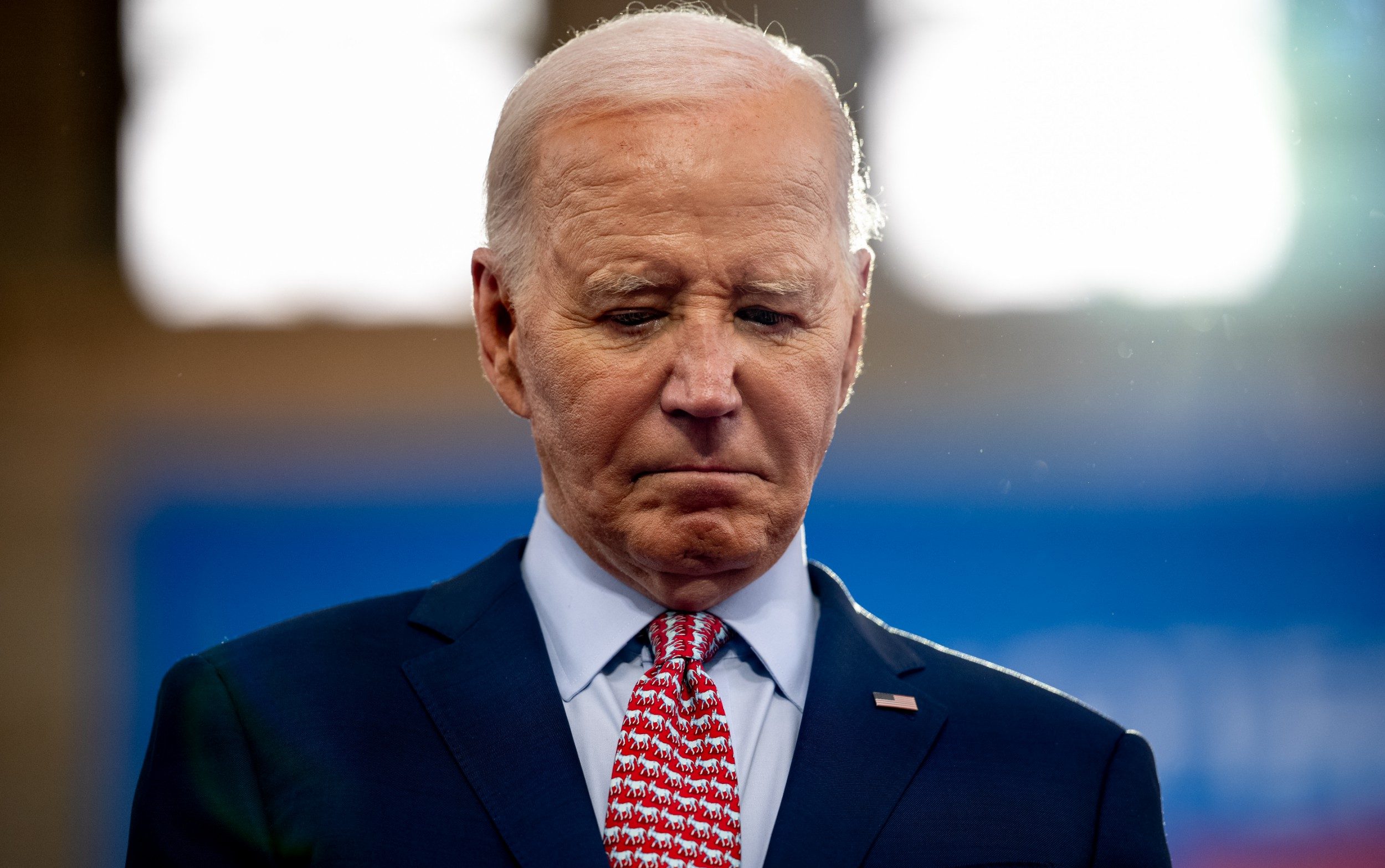
Joe Biden's Cancer Has Spread To Bones, Son Reports
Former President Joe Biden's prostate cancer has reportedly worsened and metastasized to his bones and other organs, according to his son, Hunter Biden. Sources indicate the disease progression is causing him considerable physical distress and pain. Hunter Biden has been speaking publicly about the severity of his father’s condition, detailing how the spread of the Stage 4 cancer limits his mobility and overall quality of life.

New Guidelines Stress Personalized Testing and Genetic Factors in Heart Health
Leading cardiology associations are updating guidelines to recommend stricter LDL targets and emphasizing comprehensive, personalized risk assessments for heart disease. Beyond standard lipid panels, experts urge testing for specific genetic risk factors, including Lipoprotein(a) (Lp(a)). This highlights that diet alone may not determine cardiovascular risk, requiring a deeper look into individual genetics.
Take Yomuyo with you
Download the mobile app for personalized headlines and quick access to breaking stories.