

Global Warming Accelerating Faster Than Previously Thought, Study Confirms

A comprehensive new study published in Geophysical Research Letters reveals that global warming has accelerated significantly, with the rate of warming nearly doubling since 2015. The research, which analyzed multiple global temperature datasets, shows the planet is heating up twice as fast as in previous decades, suggesting climate impacts may arrive sooner and with greater intensity than previously anticipated. The study found that global warming increased by approximately 0.35 degrees Celsius in the decade leading to 2025, compared to just under 0.2 degrees Celsius per decade on average between 1970 and 2015. This acceleration places the world on track to potentially breach the 1.5°C warming threshold established by the Paris Agreement sooner than projected, raising urgent concerns about catastrophic climate consequences. Scientists emphasize that immediate and substantial reductions in greenhouse gas emissions are essential to slow this dangerous trajectory. The findings add new urgency to global climate action, as the accelerating pace of warming suggests previously projected timelines for climate impacts may need significant revision. The research represents one of the most conclusive assessments to date on warming acceleration trends.
Prefer swipe-first reading?
Install the app to keep reading with faster loads and a smoother mobile experience.
Sources
Stay current with what’s happening ... of top news. by Panopticon | Mar 7, 2026 | Climate | 31 comments · Special sponsor for March 2026 is [you?]. Contact me here if you fancy helping me to keep cranking these threads out and spending a month atop the C&E wall of fame. “Another study confirms it: Global warming is speeding up… · “A study released Friday in the journal Geophysical Research Letters is the latest to hammer ...
Scientists are trying to solve the mystery of whether global warming is speeding up. A new study says it has the answer | CNN
A new study finds the rate of global warming is accelerating — and every fraction of a degree of warming brings more catastrophic impacts. ... Link Copied! ... Is the world getting hotter, faster? It’s a big question which has been puzzling and dividing scientists for years. A new paper says it has the answer, and it’s not good news...
Rahmstorf’s study is the first ... acceleration due to climate change, making that attribution with 98 per cent confidence. The team analysed five different datasets of global temperature, some of which show a higher number. According to the analysis of the dataset from the European Centre for Medium-Range Weather Forecasts, global warming could reach 1.5°C above the preindustrial period this year, based on a 20-year average. Warm-water coral ...
Full access to essential energy & environment news for professionals. Learn more ... Scientists are still debating the reasons why. A wildfire burns near Concepcion, Chile, on Jan. 19. Juavier Torres/AP · A growing collection of scientific studies is zeroing in on a startling conclusion: Global warming is speeding up. That means the planet is hurtling toward the Paris Agreement’s international climate targets at a growing clip, while consequences around the globe are accelerating...
Pace of global warming has nearly doubled since 2015, reveals study - Carbon Brief
Foster, G. and Rahmstorf, S. (2026): Global warming has accelerated significantly. Geophysical Research Letters, doi: 10.1029/2025GL118804. Expert analysis direct to your inbox. Get a round-up of all the important articles and papers selected by Carbon Brief by email. Find out more about our newsletters ...
Global Warming Accelerates to Record Pace as Human Activities Drive Temperature Rise - EnviroLink Network
The research adds urgency to global ... as the accelerating pace of warming suggests that climate impacts may arrive sooner and with greater intensity than previously anticipated. Scientists emphasize that immediate and substantial reductions in greenhouse gas emissions are essential to slow this dangerous trajectory and prevent the most catastrophic consequences of unchecked global warming. This article was written by the EnviroLink News ...
While previous analyses had not reached a 95% confidence level, climate scientists at PIK removed the influence of three natural factors from the data, which they refer to as noise, to determine the portion of warming caused by human consumption. "The adjusted data show an acceleration of global ...
Study: Global warming accelerating even faster than previously thought | BusinessGreen News
Global warming is accelerating at an even faster rate than previously thought, according to a major new study that suggests the world could breach the 1.5C warming threshold set under the Paris Agreement... To continue reading this article... In just a few clicks you can start your free BusinessGreen Lite membership for 12 months, providing you access to: Three complimentary articles per month covering the latest real-time news...
Earth is warming faster than previously estimated, new study shows - The Japan Times
Planetary warming has significantly ... a new study showed. The Earth warmed around 0.35 degrees Celsius in the decade to 2025, compared to just under 0.2 C per decade on average between 1970 and 2015, according to a paper published on Friday in the scientific journal Geophysical Research Letters...
Fact Checks
Related news
Underground Gases and Climate Swings Linked to Ancient Mass Extinctions
Scientists propose that volatile gases emanating from deep within the earth could be responsible for extreme climate shifts leading to ancient mass extinctions. This theory draws parallels between geological upheaval and major biological crises spanning hundreds of millions of years. Furthermore, research exploring gas shales has revealed unique ecosystems, including rock-eating fungi and tardigrades, suggesting that life continues to adapt in extreme environments. These findings underscore the deep connection between planetary geochemistry, climate stability, and biodiversity.

Data Center Backlash Intensifies Amid Energy Concerns and Local Opposition
A growing wave of opposition is targeting the rapid development of data centers across multiple states, driven by concerns regarding massive energy consumption, water usage, and potential damage to local communities. The debate remains highly polarized: while activists organize protests and file lawsuits demanding moratoria or stricter zoning (Pennsylvania, Oregon), industry proponents argue that these facilities are essential infrastructure for modern life, citing the necessity of AI and digital services.
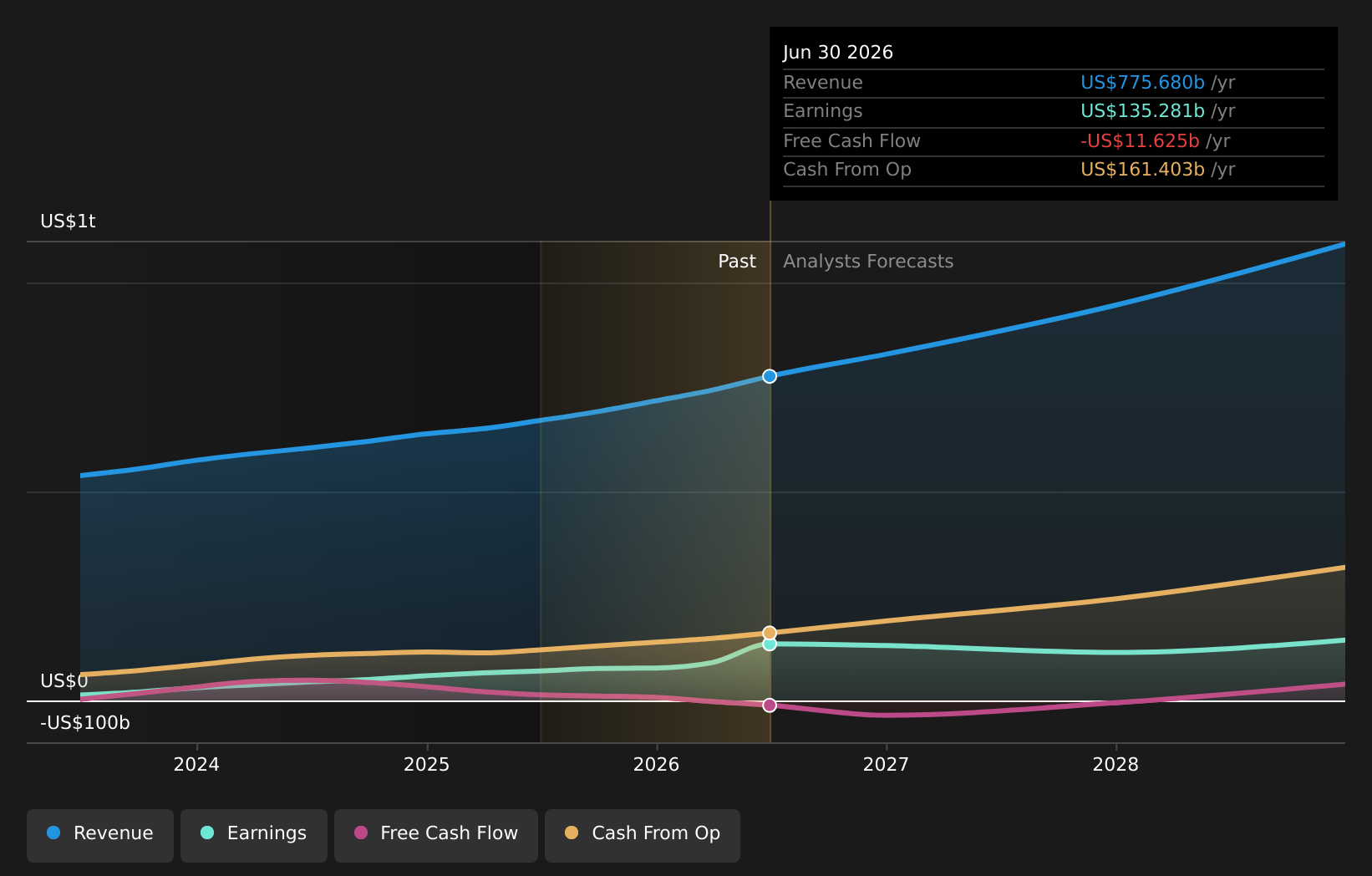
Planned Amazon data center could become the biggest climate polluter i (10 sources)
Planned Amazon data center could become the biggest climate polluter i (10 sources) This story has been covered by multiple news sources, providing comprehensive coverage from different perspectives. **www.msn.com** reports: Planned Amazon data center could become the biggest climate polluter in the US Planned Amazon data center could become the biggest climate polluter in the US ; **www.yahoo.com** reports: Amazon’s Data Center Construction is Making Life Across the Street Unlivable, According to a Virginia Homeowner When it comes to data centers, there are tons of cases growing ever more serious around the country, uniting under a single ... **www.omanobserver.om** reports: New Amazon data center stokes worry in the US Amazon is investing in a large-scale natural-gas-burning power…

Optimizing Your Plate: A Guide to Seasonal Eating and Shopping at Farmers Markets
Following a seasonal produce guide is key to improving diet quality and sustainability. By prioritizing what your region grows naturally, consumers can access peak flavor and nutrition that often degrades when produce travels long distances. Beyond knowing what's in season, maximizing the farmer’s market experience requires smart shopping techniques—from early-bird picking to utilizing vendor deals—to ensure fresh finds last until the end of the week.

Detroit Officials Criticized for Language Access Gaps During Recent Emergencies
A statewide immigrant rights group criticized the City of Detroit after discovering multiple instances where official emergency announcements—such as those concerning hazardous smoke or extreme heat—were not translated for non-English speakers. The failure highlights gaps in mandated language access services meant to protect vulnerable populations. Meanwhile, local resources like the All Saints Literacy Center continue to provide vital one-on-one English instruction and support to Detroit's immigrant community.

Experts Warn Climate Change Will Worsen Foodborne Illnesses and Global Health Risks
Climate change poses a growing threat to global public health, intensifying risks from specific pathogens and complicating international responses. Beyond localized issues like worsening Cyclospora outbreaks in summer produce, the World Health Organization (WHO) has launched initiatives to map and strengthen knowledge regarding the health consequences of climate-related migration and displacement.
Take Yomuyo with you
Download the mobile app for personalized headlines and quick access to breaking stories.