

Trump Rejects Shutdown Deal, Links Voter ID to Airport Chaos

President Donald Trump has rejected a potential bipartisan deal to end the partial Department of Homeland Security (DHS) shutdown, tying any agreement to the passage of the SAVE America Act, his signature voter ID legislation. In a social media post, Trump called the bill, which would impose strict new citizenship documentation requirements for voters, "far more important than anything else we are doing in the Senate." The move deepens a political standoff as the shutdown's effects intensify at the nation's airports. The shutdown has led to widespread staffing shortages among Transportation Security Administration (TSA) officers, many of whom are working without pay. This has resulted in long security lines and significant travel disruptions at major airports across the country. In response, the Trump administration has ordered the deployment of U.S. Immigration and Customs Enforcement (ICE) agents to assist with non-screening security operations at congested airports like Atlanta's Hartsfield-Jackson, according to administration statements and CNN reports. This deployment of ICE personnel has drawn criticism and warnings from TSA union leaders, who argue that it adds confusion and operational challenges during an already difficult period. While some airports with private screening contractors have largely avoided the chaos, as noted by Fox News, the situation at most federalized hubs remains strained. The Al Jazeera report highlights the growing pressure on the administration as unpaid security staff and spiraling queues force its hand. The core of the impasse remains the SAVE Act. As detailed by sources like the Cape Cod Times, the legislation would require states to share voter rolls with the federal government and mandate specific forms of government-issued photo ID that prove U.S. citizenship. With the Senate's vote on the bill pending, as covered by NorthJersey.com, President Trump has made its passage a non-negotiable condition for resolving the shutdown, leaving airports, travelers, and federal workers caught in the middle of a high-stakes political battle.
Prefer swipe-first reading?
Install the app to keep reading with faster loads and a smoother mobile experience.
Sources
By Dave Goldiner | dgoldiner@nydailynews.com | New York Daily News · PUBLISHED: March 23, 2026 at 9:59 AM EDT | UPDATED: March 23, 2026 at 2:09 PM EDT · President Donald Trump Monday rejected a bipartisan deal that could end the partial government shutdown and ordered Immigration and Customs ...
The SAVE America Act would require states to share voter rolls with the federal government. What does that means for elections? Do you have your passport, birth certificate, Enhanced Driver's License, or other government-issued photo ID that proves you’re a U.S.
TSA worker and union representative Joseph Cerletti of California told Fox News Digital the hardship officers are going through during the DHS shutdown — and how travelers can skip long lines. NEWYou can now listen to Fox News articles! Long security lines and staffing shortages have disrupted travel at major US airports during the partial government shutdown — but a small group of hubs is largely avoiding the chaos ...
Fact Checks
Related news

Celebrity Stance on Social and Political Issues Remains Divisive
Public figures frequently use their platforms to address major social justice and political causes, sometimes facing intense scrutiny and backlash for taking a stand. However, the conversation is equally polarized by those who choose silence. Some stars are criticized for refusing to speak on politics, while others, like actor Siddharth, advise caution regarding public discourse and navigating online criticism.
Charlie Baker Hosts Democratic Fundraiser, Signaling Focus Amid MA Political Races
Former Governor Charlie Baker is scheduled to headline a fundraising event supporting a Democratic candidate for District Attorney, drawing attention to his continued involvement in state politics. The visit comes as multiple elections heat up, including the gubernatorial race. While sources note Baker's support for Democrats at this fundraiser, other political developments indicate that the focus of the Governor's contest is shifting toward the south coast region of Massachusetts.
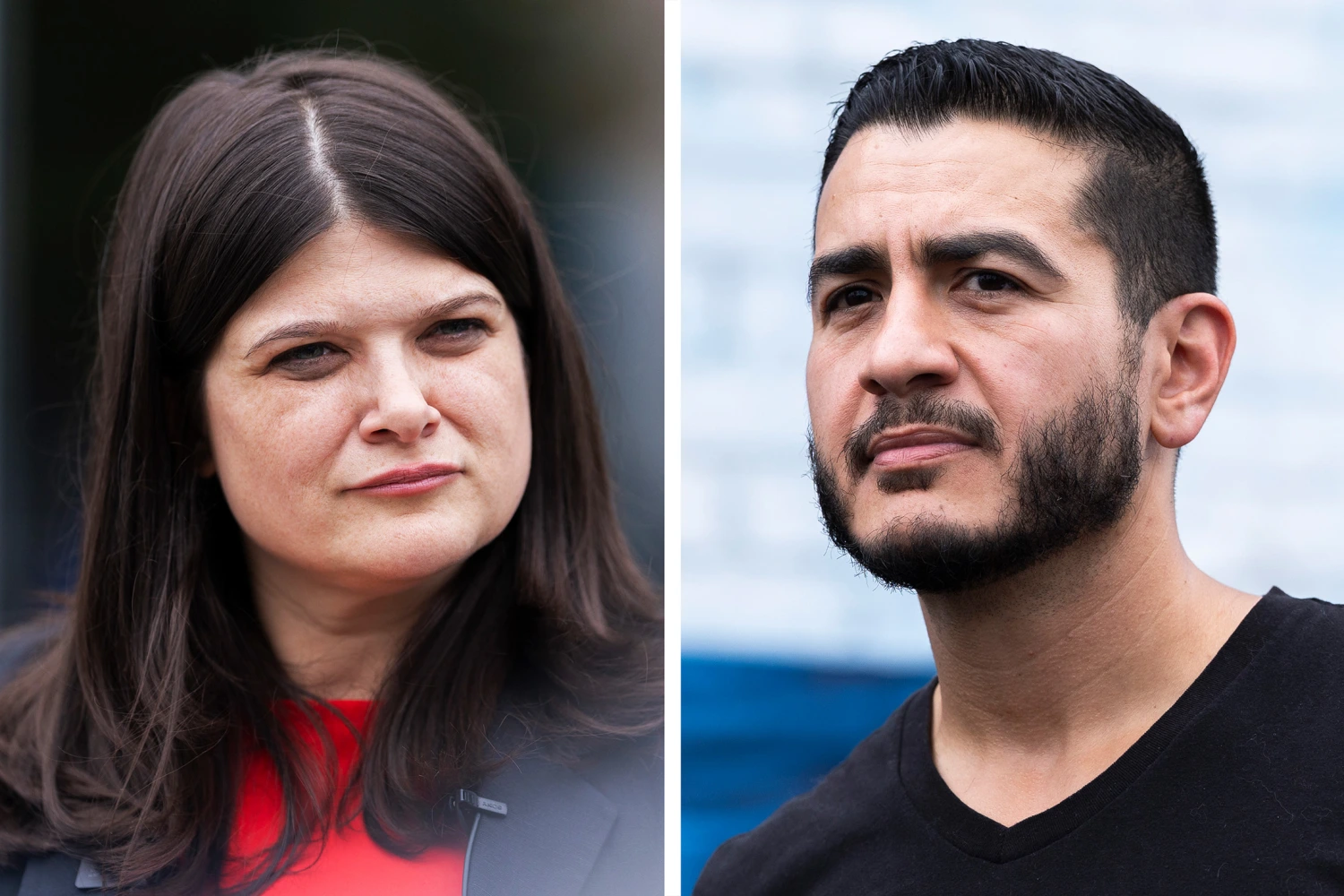
Michigan Primaries Highlight Deep Democratic Divisions Across the Midwest
Recent primary races, particularly in Michigan, have highlighted significant internal divisions within the Democratic Party. Progressive candidates scoring notable victories are challenging established norms and conventional wisdom among party leadership. These ideological battles are setting a tone for other pivotal Midwestern states, including Wisconsin's governorship race and Minnesota's senate primary. Republicans are capitalizing on these divisions, while some Democrats fear negative electoral fallout in November.
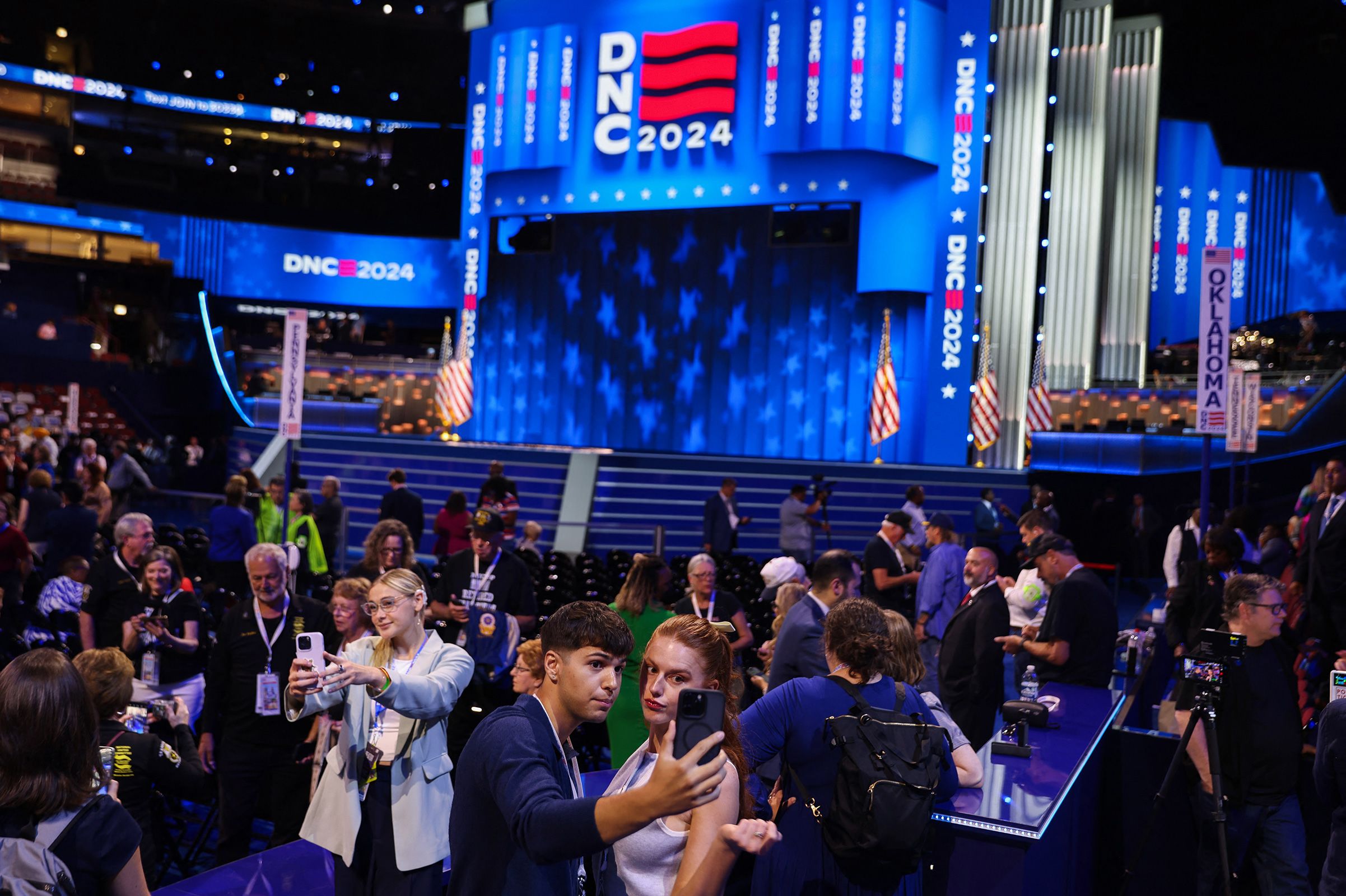
California considers fines for influencers who fail to disclose paid political posts
California is considering introducing laws that mandate clear disclosures for social media influencers making political posts. These proposed regulations aim to illuminate who is paying for online political speech and penalize non-disclosure with potential fines of up to $5,000. The legislation, reportedly introduced by Senator Adam Schiff, would also expand its scope to restrict fraudulent AI-generated content and deepfakes used in political advertising. The debate highlights growing concerns over the transparency and funding sources of digital political messaging.
Wisconsin Primaries Highlight Democratic Party Divisions and Progressive Reform Calls
The recent slate of primary elections across states like Wisconsin has exposed significant ideological rifts within the Democratic Party, affecting gubernatorial and congressional races. These high-stakes primaries are drawing national attention, leading some progressives to argue that internal struggles reflect broader economic frustration. Meanwhile, voters face specific procedural rules regarding absentee ballots, while external issues include party funding debates and political prediction markets.
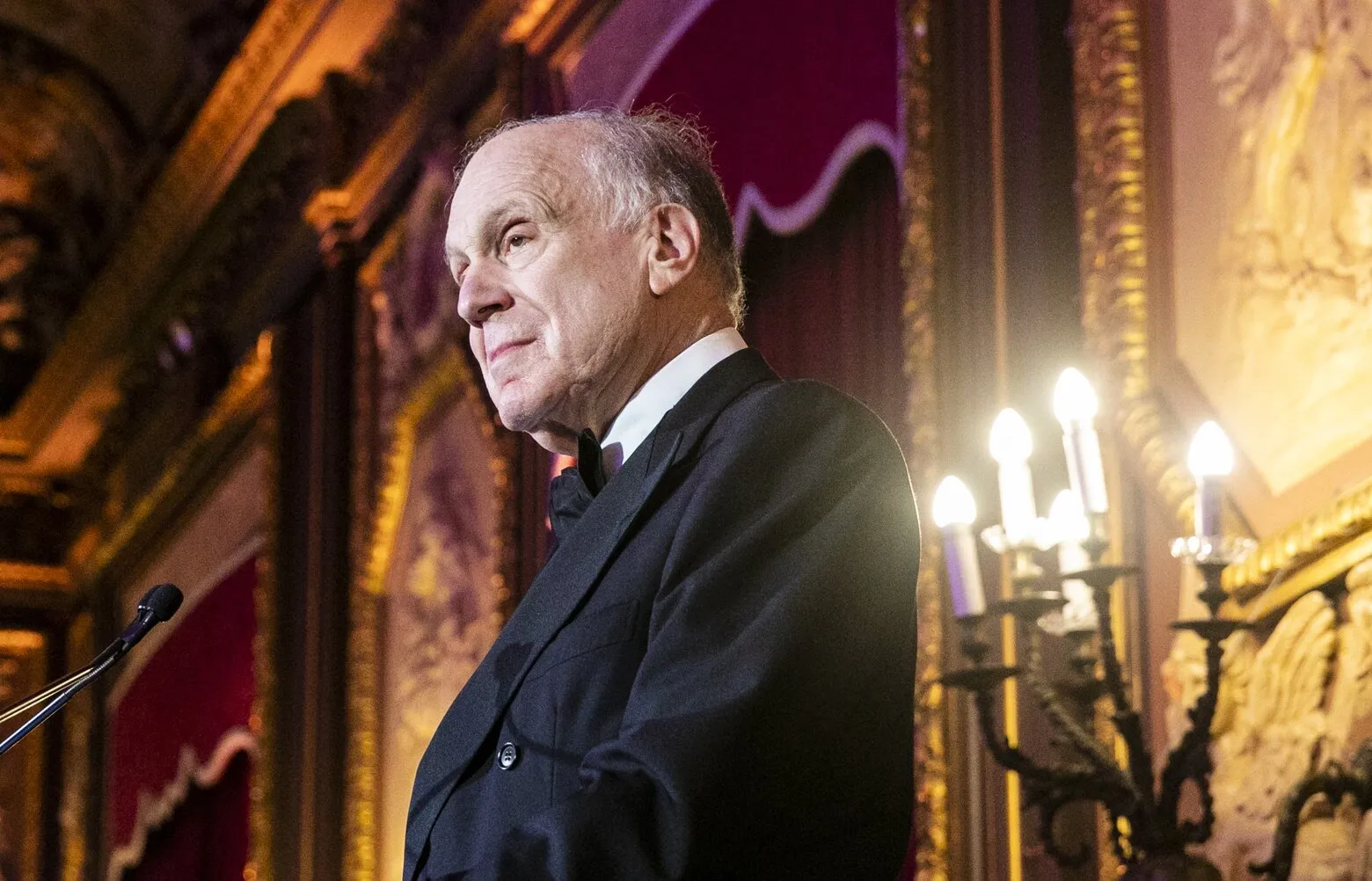
Billionaire GOP Donor Ronald Lauder Abruptly Scales Back Political Giving
Ronald Lauder, a billionaire philanthropist and major donor to the Republican Party, has abruptly curtailed his extensive history of political giving. The wealthy heir, who previously funneled millions into federal, state, and local elections—spending over $70 million in total—is reportedly scaling back support amid potential implications for GOP fundraising ahead of key elections.
Take Yomuyo with you
Download the mobile app for personalized headlines and quick access to breaking stories.