

Record-Shattering March Heat Wave Redefines Spring Across U.S.

A historic and prolonged heat wave in March 2026 rewrote the record books across the western and central United States, with dozens of cities from California to Texas experiencing their warmest March on record. The extreme temperatures were not merely anomalous but were often all-time highs for the month, with San Francisco's downtown area, with records dating to 1874, hitting 90°F and Phoenix experiencing such intense heat that trails on Camelback Mountain were closed. In Dallas-Fort Worth, the month concluded as the warmest March ever recorded, with an average temperature of 67.6°F. The heat wave's most devastating impact was felt in Colorado, where the sun 'aggressively destroyed' the vital winter snowpack. The state recorded its worst snowpack year in history, with the Colorado Climate Center reporting a shocking snow-water equivalent of just 22% of the historic median by April 1. In an unprecedented event, more than a quarter of the state's 64 mountain measurement sites were completely snowless for the first time ever at the start of April, a dire situation that promises to exacerbate an ongoing drought crisis and severely impact water supplies. The event has been immediately recognized by scientists as a stark indicator of climate change. Researchers with World Weather Attribution conducted a rapid analysis, comparing observed temperatures to historical data since 1900 and climate model projections. Their preliminary finding indicated that an event of this magnitude would be virtually impossible without the influence of human-caused climate change. Experts from the Colorado Climate Center described the heat as 'truly like nothing that we've ever seen,' noting its long-lasting and intense nature, which has forced a significant rewriting of meteorological record books.
Prefer swipe-first reading?
Install the app to keep reading with faster loads and a smoother mobile experience.
Sources
Incredibly, that's equal to their April monthly record, which was set almost a month later in the calendar on three dates ranging from April 20-29 in three past years. A sign warns hikers of trail closures due to extreme heat at Camelback Mountain on Thursday, March 19, 2026, in Phoenix.
Mind-blowing March heat wave crests; records melt from Arizona to Minnesota » Yale Climate Connections
On March 20, 2026, the San Francisco Downtown site broke its all-time March record with 90°F . The site has a period of record beginning in 1874 — perhaps longer than any of all the major city sites that have broken their March records so far. (AP Photo/Godofredo A. Vásquez) In one of the most astounding global weather ...
It was the record warmest March in dozens of cities from the West into the Plains in 2026, largely because of an extreme early-spring heat wave that rewrote the record books from California to parts of the Midwest and East.
Experts at CSU's Colorado Climate Center look at March 2026 mega records - CBS Colorado
The list of March's weather woes was long in 2026. A new map from the Colorado Climate Center at CSU in Fort Collins glows with red, showing heat that's been way out of line for the period. It was a month that means a lot of rewriting for the record books.
'This is what climate change looks like': Records shattered for the hottest day in March
Climate scientists at World Weather Attribution did a flash analysis — which is not peer-reviewed yet — of whether climate change was a factor in this Southwest heat wave. They compared expected temperatures to what's been observed in the area in March since 1900 and computer models of a world with climate change. They found that “events as warm as in March 2026 ...
FOX 4 Weather Meteorologist Kylie Capps explains why last month is now considered the warmest March on record for Dallas-Fort Worth. March 2026 is officially the warmest March on record with an average temperature of 67.6°F.
The traditional April 1 water outlook from Colorado Climate Center’s Russ Schumacher puts the water equivalent in the dismal snowpack at just 22% of the historic median for the date, far lower than any year they’ve recorded under the current system. Did you know it was 99 degrees in Burlington, at the Kansas border, on March ...
It’s official: This is Colorado’s worst snowpack year on record, as some mountain areas start April snowless for first time ever | AspenTimes.com
Of the 64 sites across the mountains ... to the Colorado Climate Center. An analysis by the center found that more than one-quarter of the snow course locations had no snow at all — and none of those 18 sites had ever been snowless before at this time of year. Five of the snowless sites had never before had less than 5 inches of snow-water equivalent on April 1. “There’s no sugar-coating the data right now: After the record-smashing heat in March, the mountain ...
Colorado Records Worst Snowpack Year in History as Drought Crisis Deepens – North Denver Tribune.com
Colorado Sun reporting noted that Burlington, near the Kansas border, recorded 99 degrees on March 25 — a temperature that underscored just how aggressively the sun destroyed the winter snowpack before the traditional spring melt season. Colorado State University’s Climate Center documented ...
Fact Checks
Related news
Underground Gases and Climate Swings Linked to Ancient Mass Extinctions
Scientists propose that volatile gases emanating from deep within the earth could be responsible for extreme climate shifts leading to ancient mass extinctions. This theory draws parallels between geological upheaval and major biological crises spanning hundreds of millions of years. Furthermore, research exploring gas shales has revealed unique ecosystems, including rock-eating fungi and tardigrades, suggesting that life continues to adapt in extreme environments. These findings underscore the deep connection between planetary geochemistry, climate stability, and biodiversity.

Data Center Backlash Intensifies Amid Energy Concerns and Local Opposition
A growing wave of opposition is targeting the rapid development of data centers across multiple states, driven by concerns regarding massive energy consumption, water usage, and potential damage to local communities. The debate remains highly polarized: while activists organize protests and file lawsuits demanding moratoria or stricter zoning (Pennsylvania, Oregon), industry proponents argue that these facilities are essential infrastructure for modern life, citing the necessity of AI and digital services.
Planned Amazon data center could become the biggest climate polluter i (10 sources)
Planned Amazon data center could become the biggest climate polluter i (10 sources) This story has been covered by multiple news sources, providing comprehensive coverage from different perspectives. **www.msn.com** reports: Planned Amazon data center could become the biggest climate polluter in the US Planned Amazon data center could become the biggest climate polluter in the US ; **www.yahoo.com** reports: Amazon’s Data Center Construction is Making Life Across the Street Unlivable, According to a Virginia Homeowner When it comes to data centers, there are tons of cases growing ever more serious around the country, uniting under a single ... **www.omanobserver.om** reports: New Amazon data center stokes worry in the US Amazon is investing in a large-scale natural-gas-burning power…
Optimizing Your Plate: A Guide to Seasonal Eating and Shopping at Farmers Markets
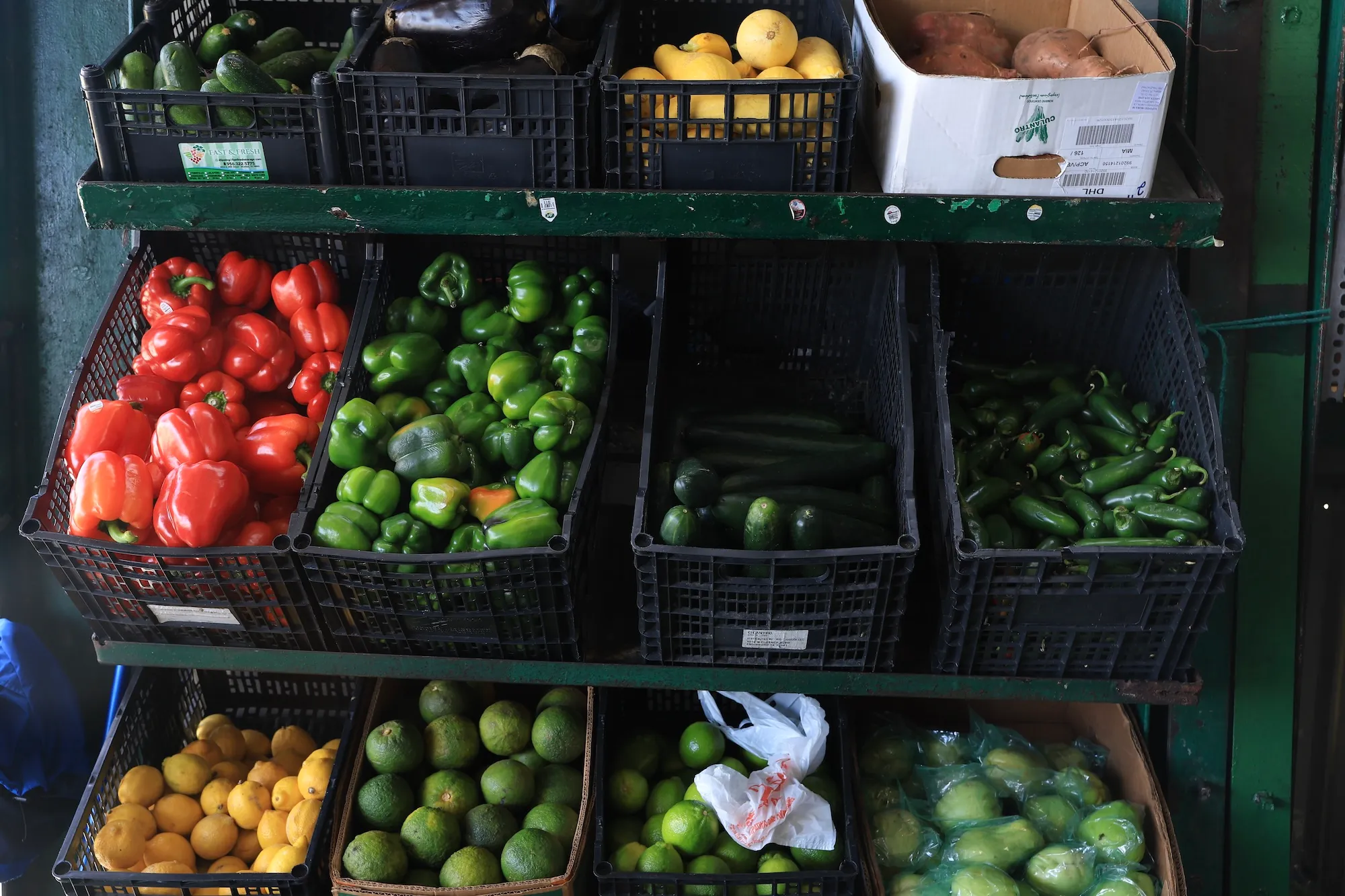
Following a seasonal produce guide is key to improving diet quality and sustainability. By prioritizing what your region grows naturally, consumers can access peak flavor and nutrition that often degrades when produce travels long distances. Beyond knowing what's in season, maximizing the farmer’s market experience requires smart shopping techniques—from early-bird picking to utilizing vendor deals—to ensure fresh finds last until the end of the week.

Detroit Officials Criticized for Language Access Gaps During Recent Emergencies
A statewide immigrant rights group criticized the City of Detroit after discovering multiple instances where official emergency announcements—such as those concerning hazardous smoke or extreme heat—were not translated for non-English speakers. The failure highlights gaps in mandated language access services meant to protect vulnerable populations. Meanwhile, local resources like the All Saints Literacy Center continue to provide vital one-on-one English instruction and support to Detroit's immigrant community.

Experts Warn Climate Change Will Worsen Foodborne Illnesses and Global Health Risks
Climate change poses a growing threat to global public health, intensifying risks from specific pathogens and complicating international responses. Beyond localized issues like worsening Cyclospora outbreaks in summer produce, the World Health Organization (WHO) has launched initiatives to map and strengthen knowledge regarding the health consequences of climate-related migration and displacement.
Take Yomuyo with you
Download the mobile app for personalized headlines and quick access to breaking stories.