

Trump's Iran War Address Reveals Diplomatic and Strategic Dilemma

In a primetime address to the nation, President Donald Trump stated that the war with Iran is 'nearing completion,' forecasting an end to major hostilities within two to three weeks. This declaration came amidst a backdrop of conflicting signals from his administration, with Secretary of State Marco Rubio confirming backchannel messages were being exchanged with Tehran, while Iranian officials publicly denied agreeing to most U.S. demands. The president's claim that Iran had requested a ceasefire was met with skepticism from regional experts, who warned that Tehran's interpretation of such a term may not align with Western expectations. Analysts suggest the president has boxed himself into a strategic trap, risking what foreign policy experts call the 'asymmetric resolve' trap—a situation where a superpower's objectives are thwarted by a smaller adversary's greater willingness to endure pain. Despite the administration's assertion that the operation is going 'reasonably well' from a military perspective, with U.S. and Israeli forces achieving many initial objectives, the path forward is fraught with complex trade-offs. Each potential pathway to de-escalation presents a significant dilemma, not due to a lack of options, but because of the severe consequences each one carries. The ongoing conflict has already triggered global economic anxieties, with oil prices rising following the president's speech as markets reacted to the uncertainty. The address, which offered little concrete detail on a winding-down strategy, failed to reassure investors, contributing to sinking markets. The situation underscores how the actions of Iran's leadership and the Revolutionary Guard now hold significant sway over global economic stability, placing immense pressure on the White House to find a viable prescription to resolve the crisis.
Prefer swipe-first reading?
Install the app to keep reading with faster loads and a smoother mobile experience.
Sources
Iran war latest: Oil prices rise after Trump's White House speech to American people | World News | Sky News
That means the ayatollahs and the Iranian Revolutionary Guards have their hands on the levers when it comes to all of our economic futures. Does the president have a prescription to resolve that dilemma? ... Wishful thinking: Trump says Iran is desperate to do a deal and it is just a matter ...
Trump risks falling in to the ‘asymmetric resolve’ trap in Iran − just as presidents before him did elsewhere
President Donald Trump reacts to a question about Iran at Miami International Airport in Miami, Fla. Mandel Ngan/AFP via Getty Images ... Charles Walldorf is a Senior Fellow at Defense Priorities. Wake Forest University provides funding as a member of The Conversation US. ... https://theconversation.com/trump-risks-falling-in-to-the-asymmetric-resolve-trap...
Beni Sabti, an Iran expert at the ... when Iran signals interest in a "ceasefire," it may not reflect a Western understanding of the term. "He is a very violent man and belongs to a generation that fought in guerrilla warfare," Sabti told Fox News Digital. ... F/A-18F aircrafts are seen on the deck of USS Abraham Lincoln ...
On Tuesday, Trump said he believed the US would "leave" Iran soon, even without a deal. Across the world on Wednesday night, millions of people will tune in to watch Donald Trump deliver a primetime update on the war in Iran.
Day 32 of Middle East conflict — Iran threatens US tech companies, Kuwaiti oil tanker attacked | CNN
US Secretary of State Marco Rubio told Fox News Tuesday night “there are messages being exchanged” with Iran and that there is “potential for a direct meeting at some point.” · Araghchi said Iran has not responded to the 15-point proposal by the US, contradicting Trump’s claims Sunday that Tehran had agreed to “most of” the list of demands the US conveyed to end the war...
It is a dilemma. From an operational perspective, the war is going reasonably well: The United States and Israel are destroying much of what they aimed to hit at the outset. To the extent that the operation has struggled, it’s not because the United States lacks options. Rather, it’s because each pathway comes with trade-offs. In his announcement of the attack on Iran, U.S. President Donald Trump...
Fact Checks
Related news

Celebrity Stance on Social and Political Issues Remains Divisive
Public figures frequently use their platforms to address major social justice and political causes, sometimes facing intense scrutiny and backlash for taking a stand. However, the conversation is equally polarized by those who choose silence. Some stars are criticized for refusing to speak on politics, while others, like actor Siddharth, advise caution regarding public discourse and navigating online criticism.
Charlie Baker Hosts Democratic Fundraiser, Signaling Focus Amid MA Political Races
Former Governor Charlie Baker is scheduled to headline a fundraising event supporting a Democratic candidate for District Attorney, drawing attention to his continued involvement in state politics. The visit comes as multiple elections heat up, including the gubernatorial race. While sources note Baker's support for Democrats at this fundraiser, other political developments indicate that the focus of the Governor's contest is shifting toward the south coast region of Massachusetts.
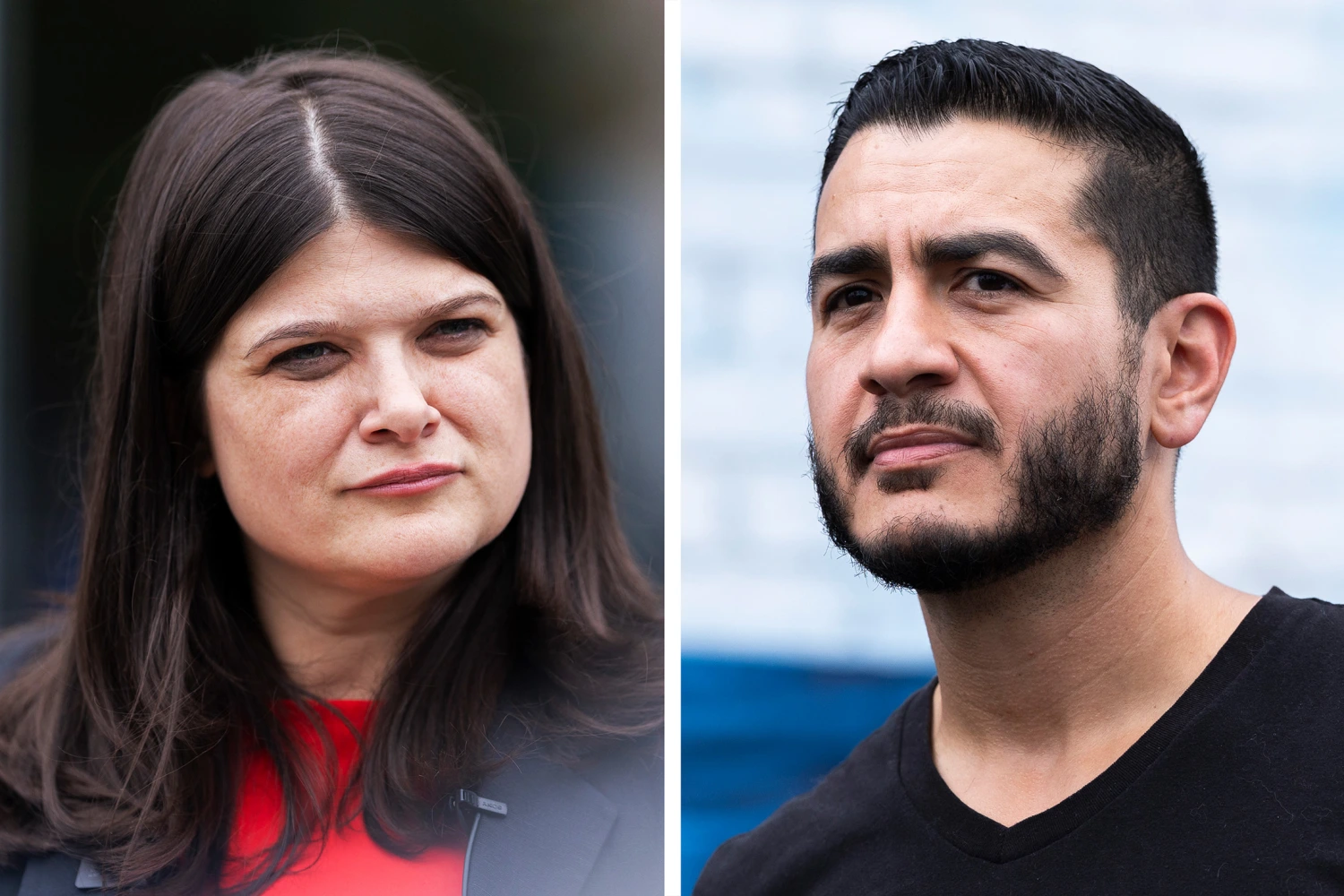
Michigan Primaries Highlight Deep Democratic Divisions Across the Midwest
Recent primary races, particularly in Michigan, have highlighted significant internal divisions within the Democratic Party. Progressive candidates scoring notable victories are challenging established norms and conventional wisdom among party leadership. These ideological battles are setting a tone for other pivotal Midwestern states, including Wisconsin's governorship race and Minnesota's senate primary. Republicans are capitalizing on these divisions, while some Democrats fear negative electoral fallout in November.
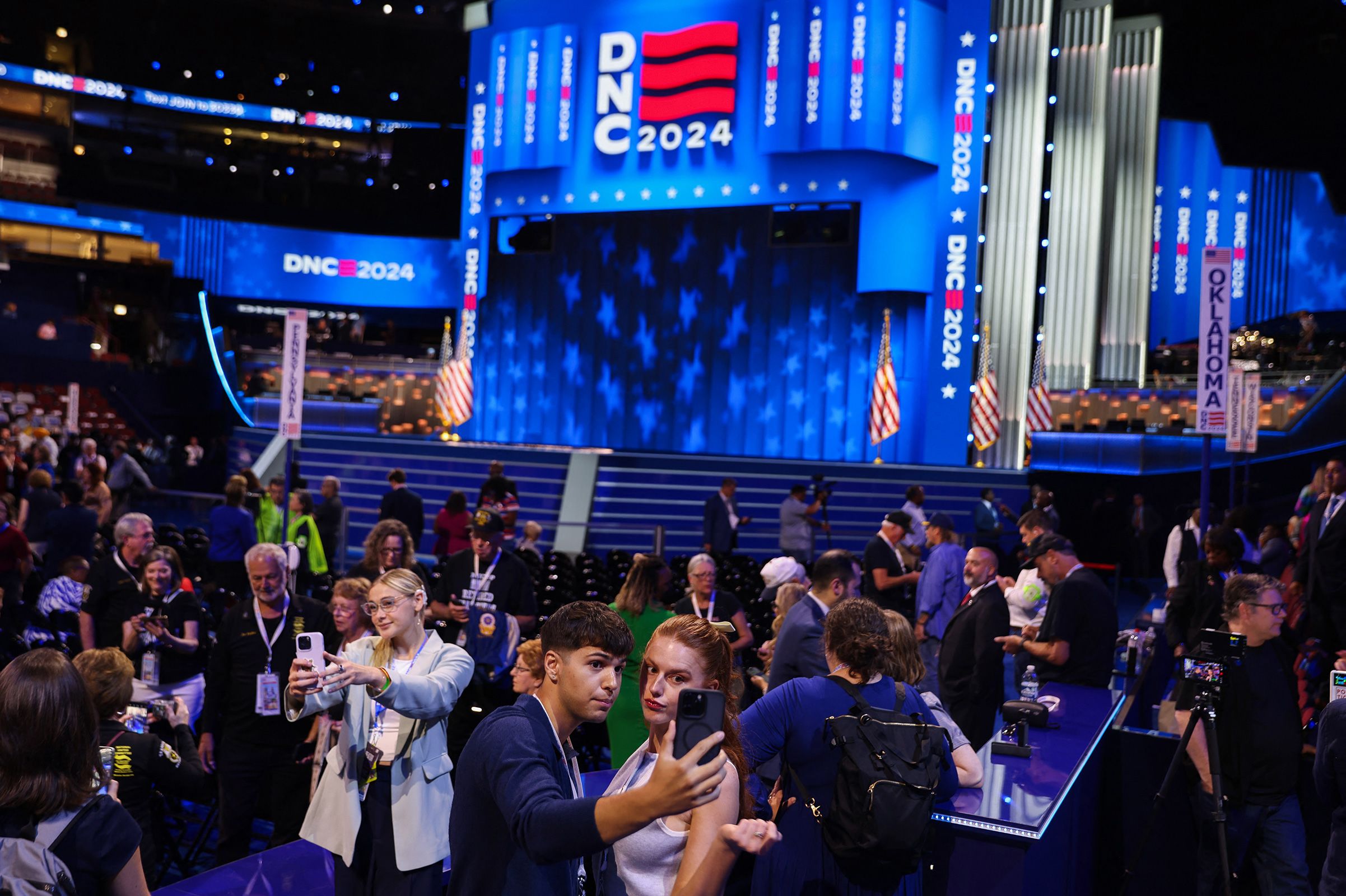
California considers fines for influencers who fail to disclose paid political posts
California is considering introducing laws that mandate clear disclosures for social media influencers making political posts. These proposed regulations aim to illuminate who is paying for online political speech and penalize non-disclosure with potential fines of up to $5,000. The legislation, reportedly introduced by Senator Adam Schiff, would also expand its scope to restrict fraudulent AI-generated content and deepfakes used in political advertising. The debate highlights growing concerns over the transparency and funding sources of digital political messaging.
Wisconsin Primaries Highlight Democratic Party Divisions and Progressive Reform Calls
The recent slate of primary elections across states like Wisconsin has exposed significant ideological rifts within the Democratic Party, affecting gubernatorial and congressional races. These high-stakes primaries are drawing national attention, leading some progressives to argue that internal struggles reflect broader economic frustration. Meanwhile, voters face specific procedural rules regarding absentee ballots, while external issues include party funding debates and political prediction markets.
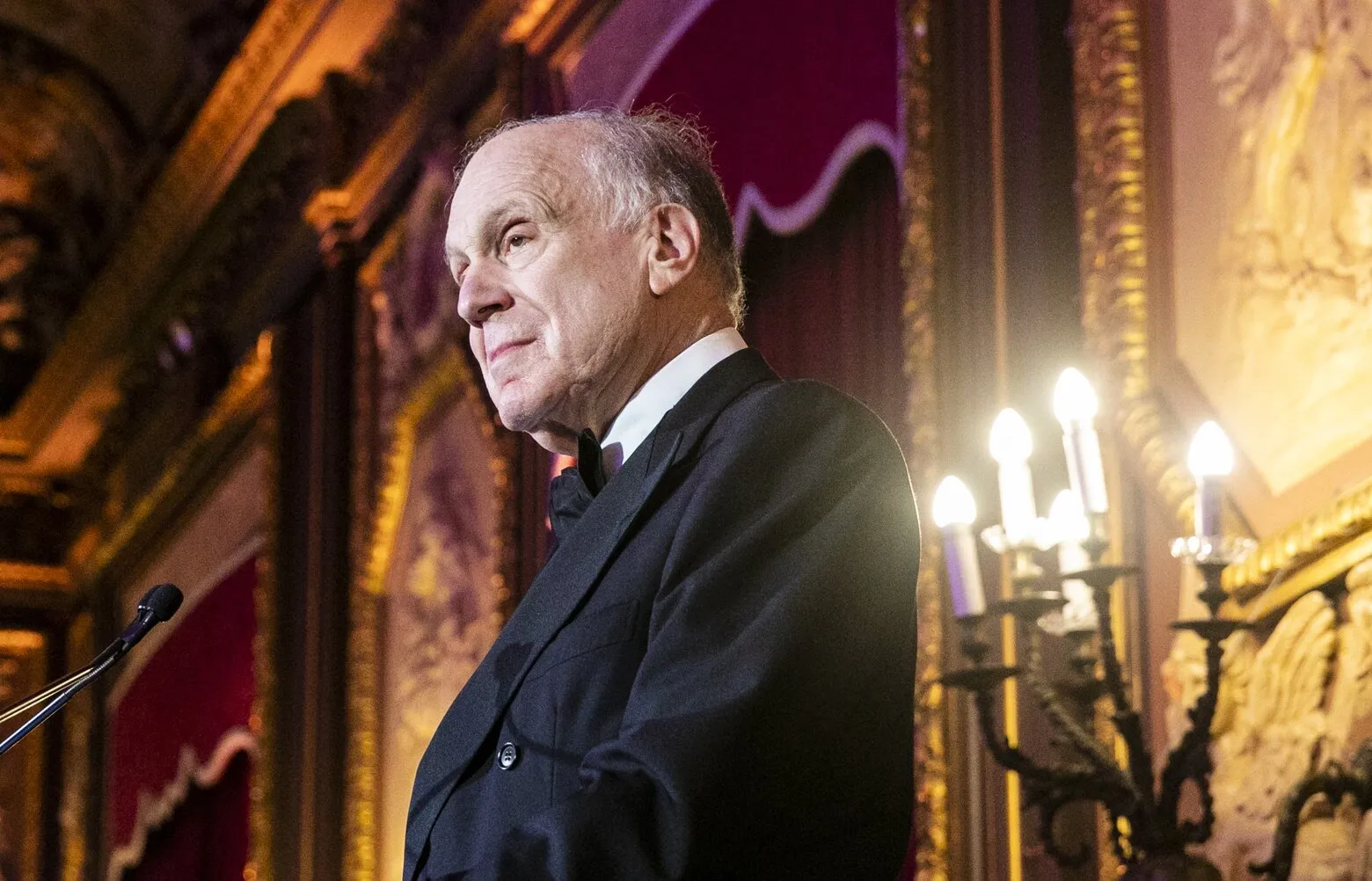
Billionaire GOP Donor Ronald Lauder Abruptly Scales Back Political Giving
Ronald Lauder, a billionaire philanthropist and major donor to the Republican Party, has abruptly curtailed his extensive history of political giving. The wealthy heir, who previously funneled millions into federal, state, and local elections—spending over $70 million in total—is reportedly scaling back support amid potential implications for GOP fundraising ahead of key elections.
Take Yomuyo with you
Download the mobile app for personalized headlines and quick access to breaking stories.