

Meteorite Crash in New Jersey Contains Building Blocks of Life

A rare meteorite, identified as the Hillsborough specimen, crashed into a home in New Jersey in 2024. Scientists have analyzed the fragments and found vital organic compounds, including amino acids and other prebiotic molecules, suggesting the rock contains 'building blocks of life' or 'alien world chemistry.' This discovery provides researchers with a potential window into understanding the chemical origins of life on Earth. The meteorite, which was recovered after the incident, is now considered a valuable specimen for studying ancient chemistry and may offer new insights into how life began.
Prefer swipe-first reading?
Install the app to keep reading with faster loads and a smoother mobile experience.
Sources
Fact Checks
Related news

Britney Spears Shares Emotional Reflection on Motherhood and Past Trauma
In an emotional statement shared on X, Britney Spears reflected deeply on motherhood, expressing feelings of having 'failed' in her role. The posts detailed struggles with faith, family trauma, and the lasting impact of years spent without control over major parts of her life. The singer also addressed past conflicts, including accusations against her own parents regarding family memories. Her reflections spanned her conservatorship experience, her relationship with her sons, and a desire for future stability.

Global and Legal Pressure Mount on Big Tech Over Child Safety and Addiction Claims
Federal lawsuits accusing tech giants like Meta and TikTok of creating addictive platforms have seen mixed results, with some bellwether trials concluding or cases being withdrawn. Despite legal uncertainty in the U.S., global action is accelerating: Australia maintains its ban on social media for youth, while legislation such as the Kids Online Safety Act advances in the Senate, signaling a worldwide regulatory crackdown.

Oak Cliff nonprofit blends science and arts for back-to-school festiva (5 sources)
Oak Cliff nonprofit blends science and arts for back-to-school festiva (5 sources) This story has been covered by multiple news sources, providing comprehensive coverage from different perspectives. **www.msn.com** reports: Oak Cliff nonprofit blends science and arts for back-to-school festival at Fair Park Oak Cliff nonprofit blends science and arts for back-to-school festival at Fair Park ; ; ; ; ;  Continue reading **www.msn.com** reports: Oak Cliff nonprofit blends science and arts for back-to-school festival at Fair Park 2 Inspire Peace brought together engineering professors, local students, and Dallas artists for a STEAM festival on Saturday ... **www.msn.com**…

Social Media Giants Face Legal Scrutiny Over Teen Harm; Meta Appeals Penalty Ruling
Legal battles over social media's impact on youth continue, with Meta planning an appeal against a New Mexico judge’s order requiring the company to fund programs addressing teen harm. The pressure is also visible in settlements, as TikTok finalized agreements resolving three separate addiction lawsuits. These developments highlight increasing legal focus on platform accountability and mental health risks.
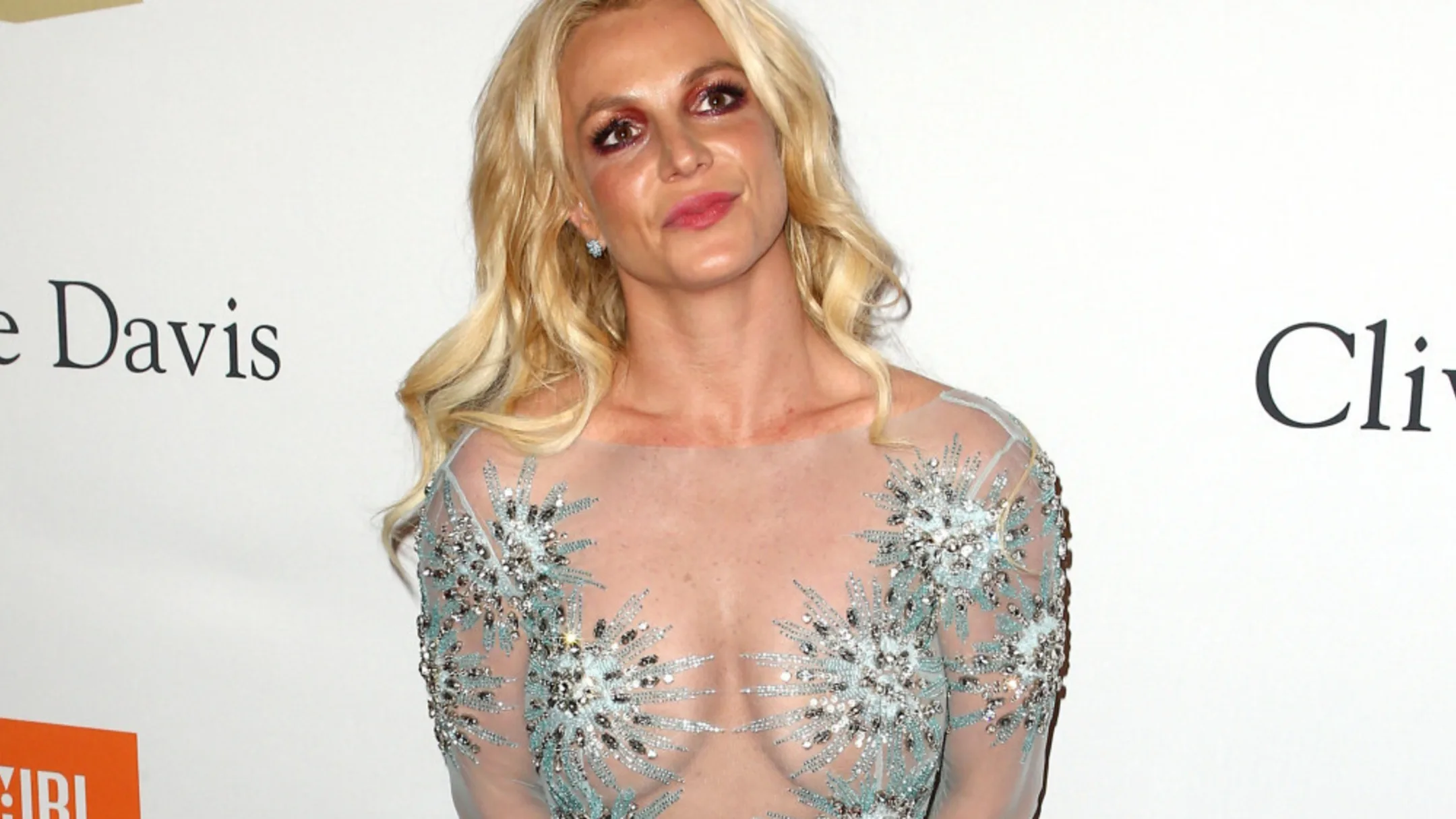
Britney Spears Shares Emotional Reflection, Blaming Parents for Parenting Issues
In a lengthy social media post, Britney Spears confessed to feeling that she has failed as a mother. The pop star reflected on the struggles of parenting and shared deep feelings about motherhood, linking some regrets to past family dynamics. Spears also directed criticism toward her parents, Jamie and Lynne Spears, accusing them of taking her sons out without permission. Her emotional message touched upon themes of faith versus science, sparking widespread discussion among fans.
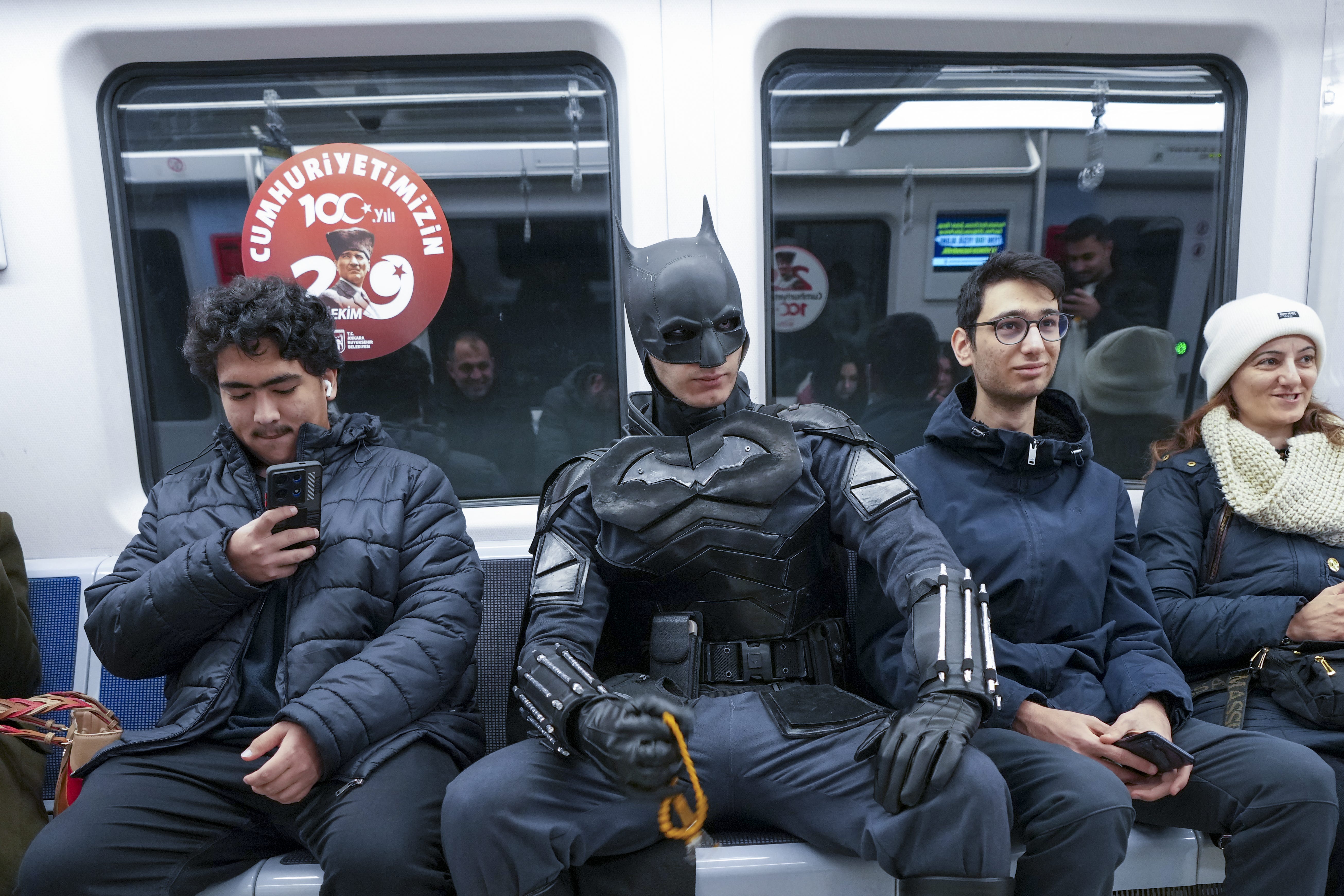
Social Experiment Finds Batman's Presence Correlates with Increased Public Kindness
Researchers conducted a social experiment on subway riders, finding that the presence of an individual dressed as Batman prompted noticeable positive changes in public conduct. Participants reported acting more courteous and helpful toward strangers. The study suggests that exposure to fictional characters, particularly one associated with justice, can trigger increased altruism and chivalry among everyday commuters.
Take Yomuyo with you
Download the mobile app for personalized headlines and quick access to breaking stories.