

UK Slashes Climate and Development Aid in Major Budget Refocus

The UK government has announced a significant reduction in its overseas aid spending, confirming a 14% cut to its climate finance commitment for developing countries. The new pledge of approximately £6 billion over three years, or £2 billion annually, is down from the previous £2.3 billion per year. This decision is part of a broader 'refocus' of the aid budget, which has been slashed overall from 0.5% to 0.3% of Gross National Income. Foreign Secretary Yvette Cooper stated the government would prioritize support for 'proven global partnerships' like the vaccine alliance Gavi, while also focusing on fragile states, violence against women and girls, and climate response. The cuts have triggered widespread condemnation from campaigners, politicians, and development organizations. Critics, including Sarah Champion, chair of parliament's International Development Select Committee, labelled the move 'catastrophic' and 'short-sighted,' arguing it would disproportionately impact the world's poorest. Bilateral aid to African countries, which funds essential services like schools and clinics, is set to be cut by almost £900 million by 2028-29. The NGO network Bond warned of severe reductions, particularly affecting the Middle East and Africa, while critics noted that fossil fuel profits remain 'untouched'. The government has attributed the budget pressure to broader spending constraints, with sources citing the financial impact of the war in Iran. The announcement also revealed that a significant portion of the UK's aid budget, £2.8bn or 20%, is now spent domestically on supporting asylum seekers and refugees within the UK during their first year. The opposition Conservative party has called for the funding reductions to be accompanied by 'genuine reform,' expressing concern over the lack of detail in the government's new strategy.
Prefer swipe-first reading?
Install the app to keep reading with faster loads and a smoother mobile experience.
Sources
Ministers are trying to bury the consequences of UK aid cuts. But what we know is catastrophic | The Independent
From more small boats crossing the channel to families in poverty across Africa being hit hard, the truth is clear, writes Sarah Champion, chair of parliament's International Development Select Committee
UK to cut climate aid to developing countries by 14% to £2bn a year in ‘refocus’ | Climate aid | The Guardian
The move follows bitter rows with ... deeper cuts owing to pressure on spending resulting from the war in Iran. Overall, the UK’s aid budget was slashed to 0.3% of gross national income, with programmes on health, education and humanitarian assistance all facing the axe. Climate spending will ...
UK climate aid cuts ‘short-sighted’ and leave ‘fossil fuel profits untouched’, campaigners say | The Independent
Foreign Secretary Yvette Cooper told parliament that the UK's climate finance commitment would be cut to around £6 billion or three years – roughly £2bn a year, down from £2.3bn annually under the previous five-year arrangement. The overall aid budget has been reduced from 0.5 per cent ...
Bond, a UK network for international development organisations, warned there are severe cuts, particularly for the Middle East and Africa. Making a statement to MPs, Cooper said direct bilateral aid funding would be reduced but support to "proven global partnerships", including the vaccine alliance Gavi, would continue. Helping fragile states, tackling violence against women and girls, and responding to climate ...
'With less investment we need to refocus': UK to cut climate aid to around £6bn over three years | BusinessGreen News
The government is to cut climate finance for developing countries to an estimated £2bn a year as part of a "refocus" of aid spending, which will see the overall overseas development budget cut to 0.3 per... To continue reading this article... In just a few clicks you can start your free BusinessGreen Lite membership for 12 months, providing you access to: Three complimentary articles per month covering the latest real-time news...
Iran strikes intensify | UK to ‘cut climate aid’ | ‘Rampant greed for oil’ - Carbon Brief
The UK will cut its climate aid to developing countries by about 14%, to roughly £2bn per year, says the Guardian. The newspaper adds that, overall, the UK’s aid budget was cut to 0.35 of gross national income, following “bitter rows with the Treasury, which wanted deeper cuts owing to ...
Conservative shadow Foreign Office ... said a reduction in funding "has to be accompanied by genuine reform" but warned "very little" is known about this. International rules allow governments to spend some of their foreign aid budgets at home to support asylum seekers during the first year after their arrival. Government statistics show it spent £2.8bn, or 20% of its aid budget, supporting refugees in the UK in ...
Fact Checks
Related news
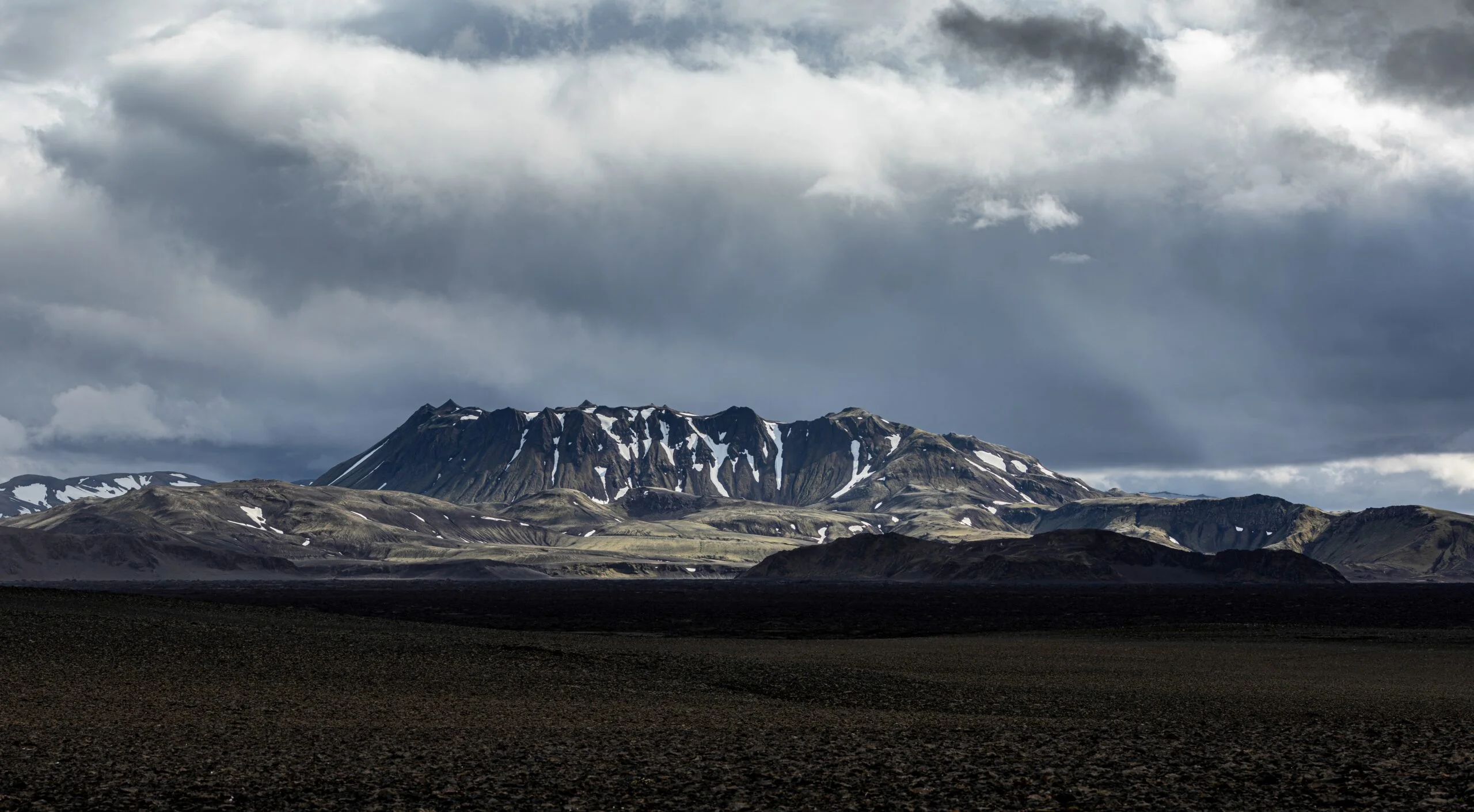
Underground Gases and Climate Swings Linked to Ancient Mass Extinctions
Scientists propose that volatile gases emanating from deep within the earth could be responsible for extreme climate shifts leading to ancient mass extinctions. This theory draws parallels between geological upheaval and major biological crises spanning hundreds of millions of years. Furthermore, research exploring gas shales has revealed unique ecosystems, including rock-eating fungi and tardigrades, suggesting that life continues to adapt in extreme environments. These findings underscore the deep connection between planetary geochemistry, climate stability, and biodiversity.
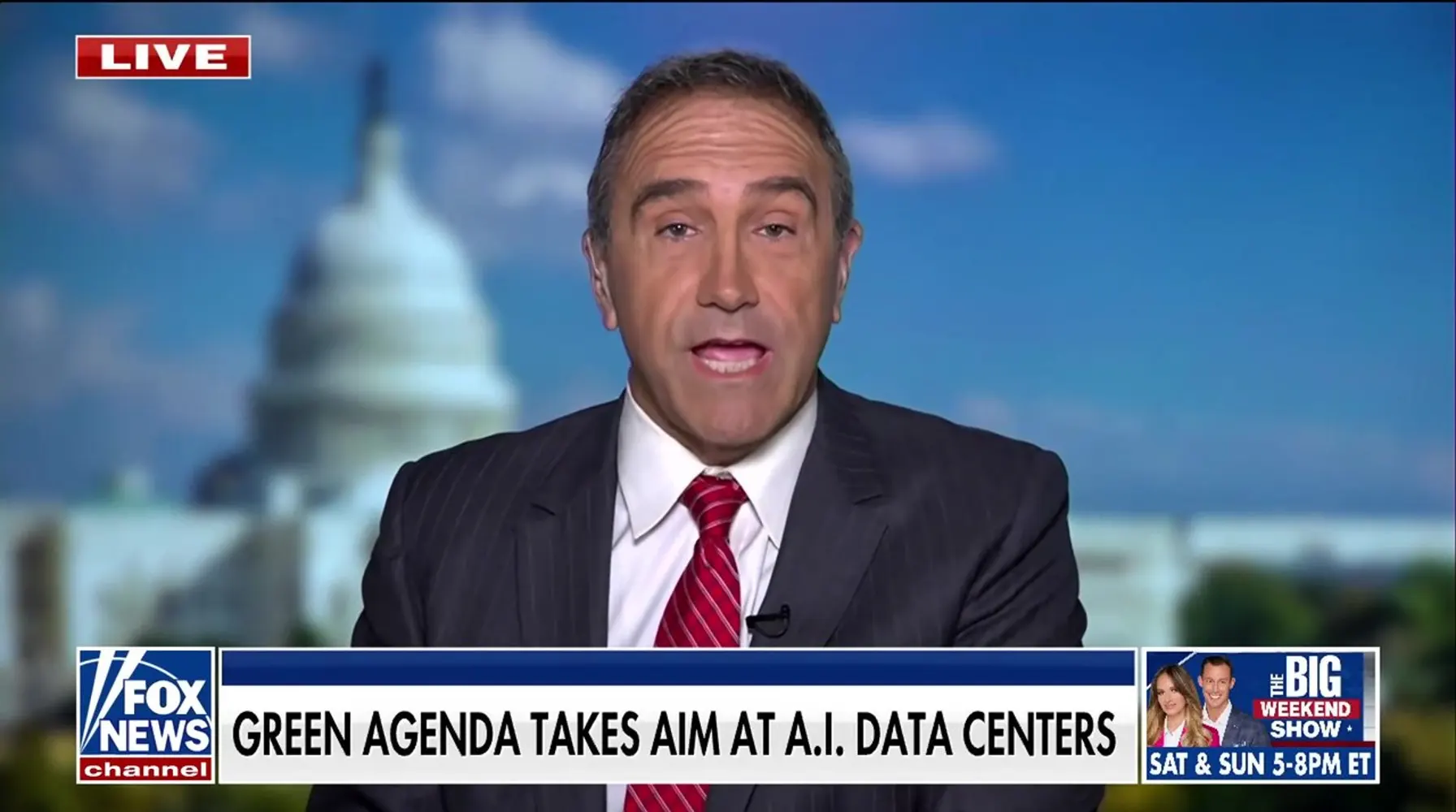
Data Center Backlash Intensifies Amid Energy Concerns and Local Opposition
A growing wave of opposition is targeting the rapid development of data centers across multiple states, driven by concerns regarding massive energy consumption, water usage, and potential damage to local communities. The debate remains highly polarized: while activists organize protests and file lawsuits demanding moratoria or stricter zoning (Pennsylvania, Oregon), industry proponents argue that these facilities are essential infrastructure for modern life, citing the necessity of AI and digital services.
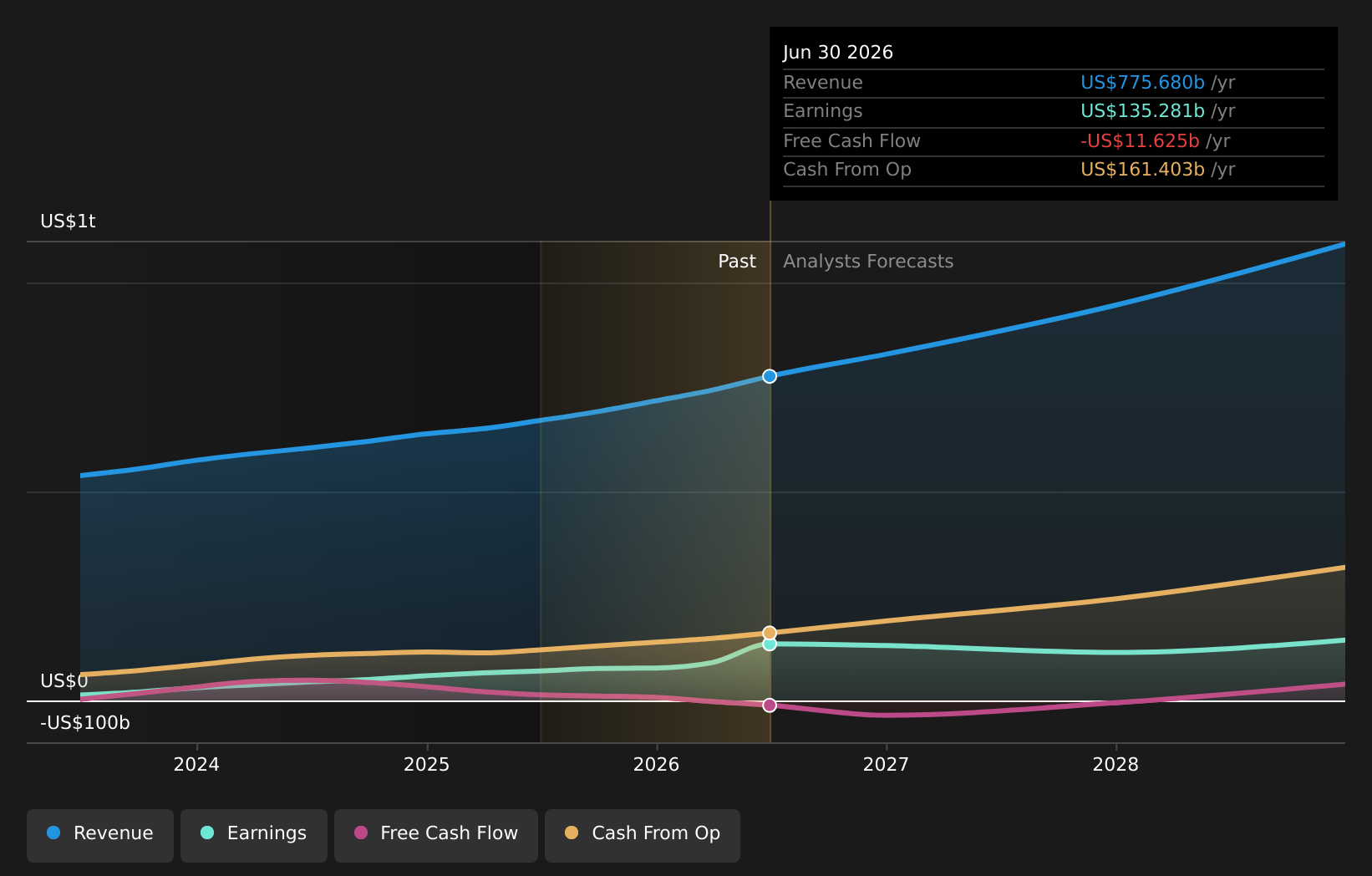
Planned Amazon data center could become the biggest climate polluter i (10 sources)
Planned Amazon data center could become the biggest climate polluter i (10 sources) This story has been covered by multiple news sources, providing comprehensive coverage from different perspectives. **www.msn.com** reports: Planned Amazon data center could become the biggest climate polluter in the US Planned Amazon data center could become the biggest climate polluter in the US ; **www.yahoo.com** reports: Amazon’s Data Center Construction is Making Life Across the Street Unlivable, According to a Virginia Homeowner When it comes to data centers, there are tons of cases growing ever more serious around the country, uniting under a single ... **www.omanobserver.om** reports: New Amazon data center stokes worry in the US Amazon is investing in a large-scale natural-gas-burning power…
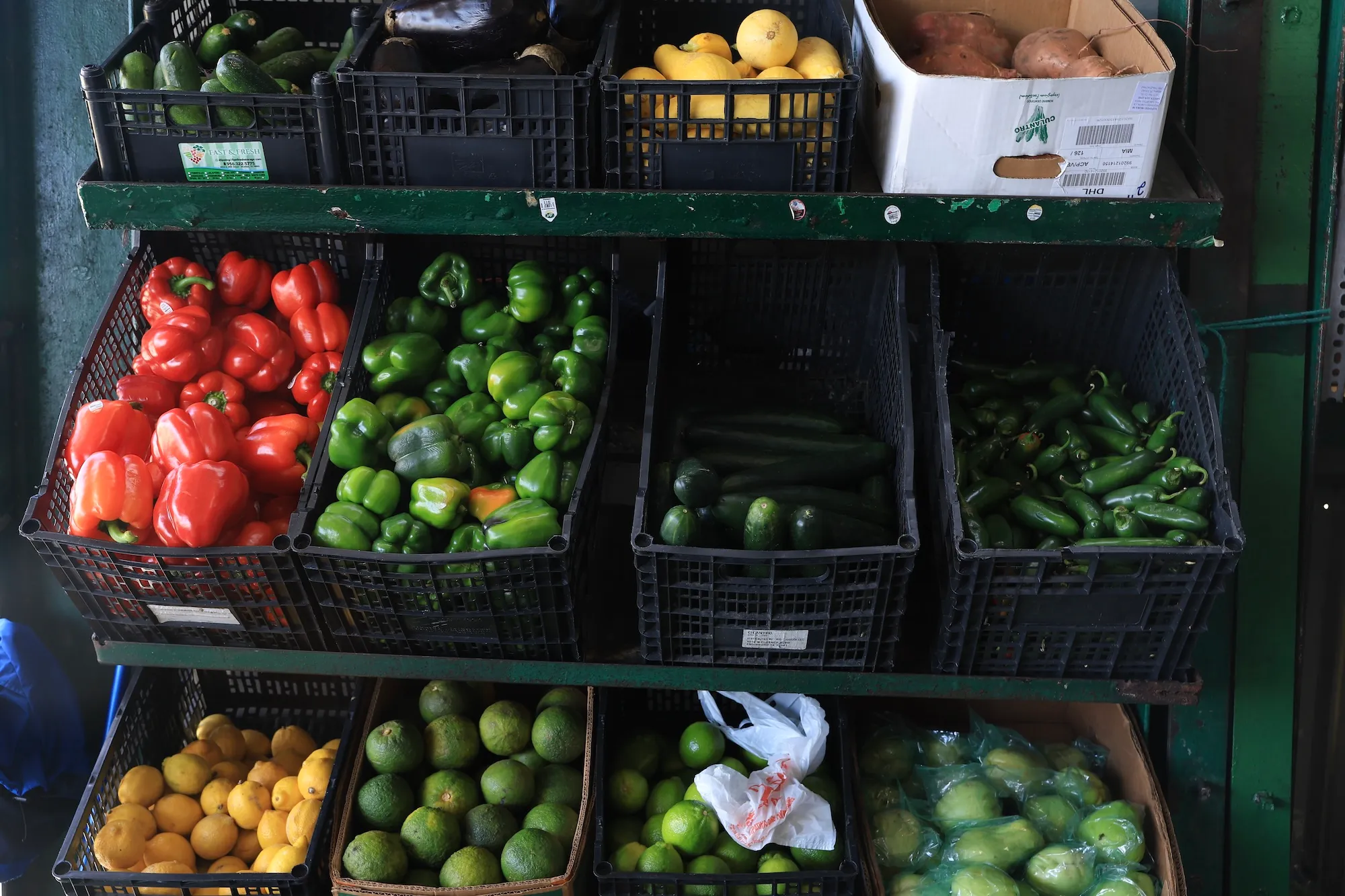
Optimizing Your Plate: A Guide to Seasonal Eating and Shopping at Farmers Markets
Following a seasonal produce guide is key to improving diet quality and sustainability. By prioritizing what your region grows naturally, consumers can access peak flavor and nutrition that often degrades when produce travels long distances. Beyond knowing what's in season, maximizing the farmer’s market experience requires smart shopping techniques—from early-bird picking to utilizing vendor deals—to ensure fresh finds last until the end of the week.

Detroit Officials Criticized for Language Access Gaps During Recent Emergencies
A statewide immigrant rights group criticized the City of Detroit after discovering multiple instances where official emergency announcements—such as those concerning hazardous smoke or extreme heat—were not translated for non-English speakers. The failure highlights gaps in mandated language access services meant to protect vulnerable populations. Meanwhile, local resources like the All Saints Literacy Center continue to provide vital one-on-one English instruction and support to Detroit's immigrant community.

Experts Warn Climate Change Will Worsen Foodborne Illnesses and Global Health Risks
Climate change poses a growing threat to global public health, intensifying risks from specific pathogens and complicating international responses. Beyond localized issues like worsening Cyclospora outbreaks in summer produce, the World Health Organization (WHO) has launched initiatives to map and strengthen knowledge regarding the health consequences of climate-related migration and displacement.
Take Yomuyo with you
Download the mobile app for personalized headlines and quick access to breaking stories.