

Canada Faces New US Tariffs as Trade Tensions Escalate

Canada may have to accept a baseline tariff as the permanent "price" for continued access to the United States market, according to Finance Minister François-Philippe Champagne, who signaled that a full removal of US levies is unlikely. The minister's comments follow President Donald Trump's State of the Union address and come amid tense negotiations ahead of the CUSMA review, with Champagne asserting that "Canada is in a good position" despite the challenges. The US stance was firmly articulated by its Trade Representative, Kent Greer, who stated that any trade deal with Canada "must include higher tariffs" as part of a bid to reshore American industries. Greer criticized Canada for failing to meet several US demands, including reopening procurement opportunities, providing fair access to dairy markets, and reversing retaliatory measures against American wine and spirits. This positions protective tariffs as a non-negotiable element for the US in ongoing talks. The trade landscape is further complicated by the recent implementation of a new 10% global tariff by the Trump administration. This levy was imposed using a different legal authority after the Supreme Court struck down the previous tariff regime. While an exemption spares nearly 90% of Canadian exports from this specific tariff, the US is expected to announce a separate, Canada-specific tariff rate within days. Investors and analysts remain cautious, noting a lack of clarity and the volatile nature of tariff policy under the current administration.
Prefer swipe-first reading?
Install the app to keep reading with faster loads and a smoother mobile experience.
Sources
Finance Minister Francois-Philippe Champagne speaks with journalists as he arrives for a meeting of the federal cabinet in Ottawa on Feb. 24, 2026. ... Canada may have to accept a baseline tariff as the “price” to pay to continue shipping goods into the United States, François-Philippe ...
He also criticized Canada for failing to agree to U.S. requests to back off from "practices that we think are unfair," including measures that Canadian governments imposed last year in retaliation against Trump's tariffs. "Put American wine and spirits back on the shelf; they haven't done that. To reopen to America procurement opportunities; they haven't done that. To give us fair access to their dairy markets; they haven't done that," Greer told CBC News ...
U.S. trade representative says deal with Canada must include higher tariffs - The Globe and Mail
But he also told CBC News in an interview after U.S. President Donald Trump’s State of the Union address Tuesday that Canada, like other countries, must also accept “protective tariffs” in a bid to reshore American industries. “If Canada wants to agree that we can have some level of higher tariff on them while they open up their markets to us ...
No president has used this provision since the act was passed in 1974. The tariff is limited to 150 days without congressional approval. The exemption means nearly 90 per cent of the value Canadian exports to the U.S. are not subject to this tariff. Trump imposed these global tariffs after the U.S. Supreme Court struck down his previous regime as unconstitutional, including levies on Canada ...
The United States is expected to announce a new, Canada-specific tariff rate within seven days. It is not yet clear whether that tariff will be in addition to the “fentanyl” tariffs already in place for Canadian-origin goods that do not qualify for duty-free treatment under the USMCA.
Paul Surguy, managing director ... tariff news. "There is simply no clarity on which one can make an informed decision," he said. "In terms of tariff politics, history would suggest that where we are today is not where we might be tomorrow." Carsten Brzeski, global head of macro at Dutch bank ING, said that although tariffs came into force at the 10% rate, Trump's avowed rise ...
There are a couple reasons why: For one, the president has many tools to impose tariffs and the court decision last week only deemed one of them unconstitutional. Within hours of the ruling, Trump said he was using a different law to reimpose taxes on global imports.
Fact Checks
Related news
Treasury Deficits and Borrowing Concerns Highlight Massive Shortfall Risks
Concerns regarding massive government deficits persist, with some analyses suggesting the U.S. Treasury may need to borrow an additional $1.45 trillion over the next few years. These warnings stem from internal financial advisory committees and political reporting, highlighting how complex financial engineering has been used to manage large outstanding debts. While one regional report noted a specific country cutting domestic borrowing targets to ease credit risk, the primary focus remains on the scale of anticipated federal shortfalls.

T-Mobile Overhauls Financing Plans, Introducing New 36-Month Options for Phone Upgrades
T-Mobile has announced significant changes to its service structure, introducing new wireless plans built around lower initial costs and extended 36-month device financing options for customers. The move allows consumers to potentially get devices with $0 upfront payments. However, industry observers note that while these plans increase affordability, they also extend the duration of customer commitment, following the removal of previous 'better value' offerings.

Solana's Tokenized Assets Surge as Major Stocks and TradFi Interest Drive Record Volume
Solana's market activity reached new heights last quarter, reporting $5.8 billion in tokenized equity trading volume. This significant growth was largely fueled by major listings, including the record-breaking SpaceX IPO. The platform is attracting both entertainment and institutional capital, highlighted by the launch of a tokenized Take-Two Interactive (GTA 6 publisher) stock. Industry experts suggest that structured products like perpetual futures are key to migrating traditional finance assets onto the blockchain.

Public Sector Workforce Faces Dual Challenge of Talent Shortages and Modernization
Government agencies are undergoing significant technological overhauls, building connected digital systems to improve mission efficiency and productivity across the workforce. However, this modernization effort coincides with deep labor challenges. Workers face reports of 'third world' conditions in some areas, while simultaneously, technical fields struggle with a dire shortage of skilled workers retiring out of the job market.

Zebulon Finance Director Retires Weeks After State Audit Finds Financial Oversight Issues
A state auditor's report detailing serious financial mismanagement prompted the retirement of Zebulon’s finance director. The findings highlighted critical lapses in financial oversight within the eastern Wake County town. The audit specifically noted issues such as duplicate payments and inadequate record-keeping, prompting the auditor's office to call for immediate security improvements. Town officials acknowledged the report's findings, admitting to the seriousness of the documented financial problems.
Lawmakers Cite Senate Report Finding Wall Street Banks Enabled Epstein's Trafficking Operation
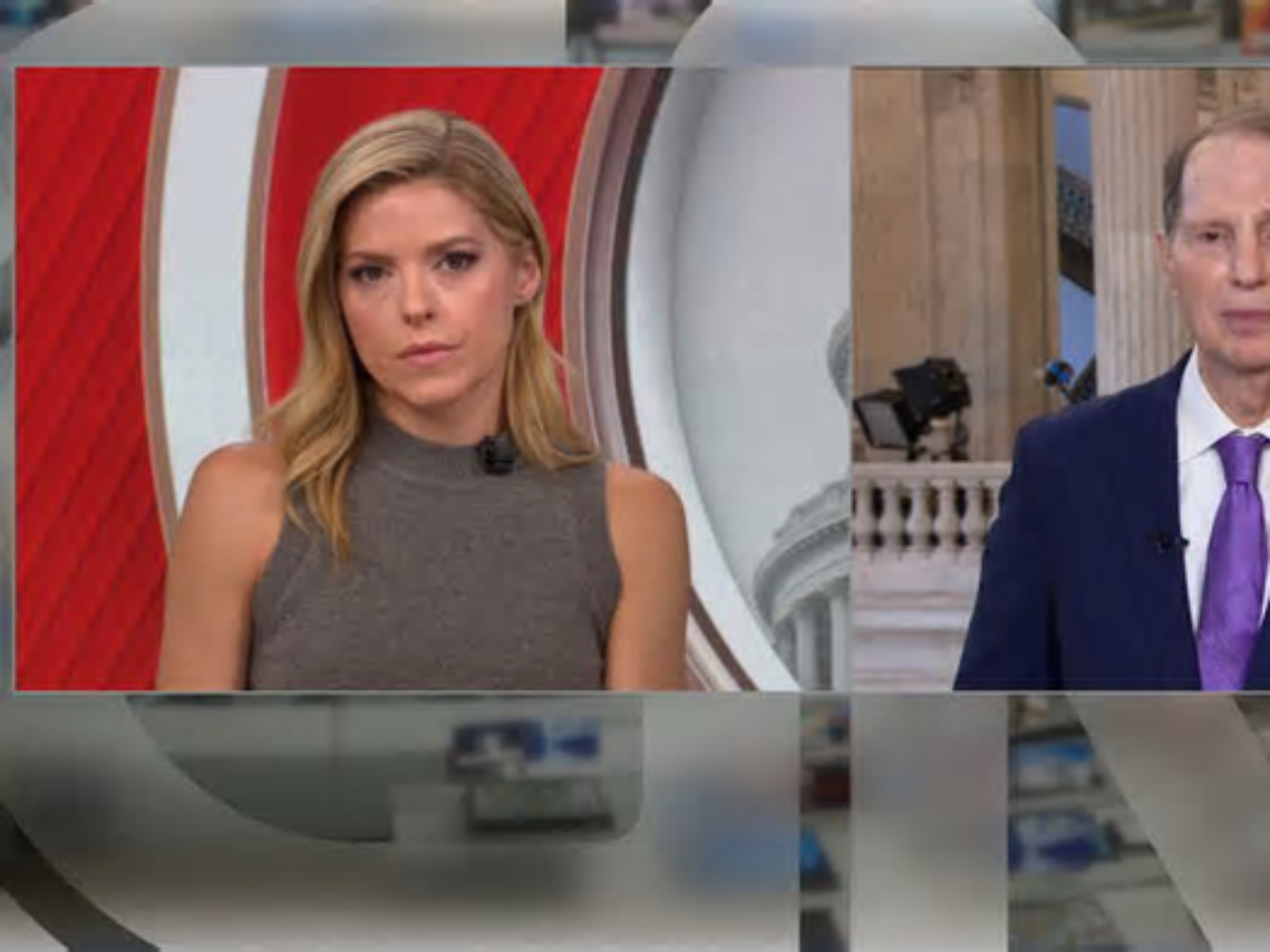
Democrats on the Senate Finance Committee released a report concluding that prominent Wall Street institutions enabled Jeffrey Epstein's alleged sex trafficking ring. The findings detail how billions of dollars moved through these major banks over two decades, often involving unexplained cash withdrawals. Amid ongoing investigations and subpoenas in New Mexico, Senator Ron Wyden has claimed that media outlets, specifically CBS, are suppressing crucial information regarding the banks’ dealings with Epstein. These reports suggest a continued effort to obscure the full scope of financial complicity.
Take Yomuyo with you
Download the mobile app for personalized headlines and quick access to breaking stories.