

Massachusetts South Coast Focuses on Politics Amid Cultural Feast Celebrations

Political analysts are noting that the southeastern region of Massachusetts is transforming into a crucial Republican stronghold, shifting focus toward this area ahead of the 2026 gubernatorial election cycle. Meanwhile, the city of New Bedford celebrated its 110th Feast of the Blessed Sacrament, drawing large crowds and highlighting local Portuguese culture. The annual event featured headline acts like Sugar Ray and included modern amenities such as cashless payment systems.
Prefer swipe-first reading?
Install the app to keep reading with faster loads and a smoother mobile experience.
Sources
Fact Checks
Related news

Celebrity Stance on Social and Political Issues Remains Divisive
Public figures frequently use their platforms to address major social justice and political causes, sometimes facing intense scrutiny and backlash for taking a stand. However, the conversation is equally polarized by those who choose silence. Some stars are criticized for refusing to speak on politics, while others, like actor Siddharth, advise caution regarding public discourse and navigating online criticism.
Charlie Baker Hosts Democratic Fundraiser, Signaling Focus Amid MA Political Races
Former Governor Charlie Baker is scheduled to headline a fundraising event supporting a Democratic candidate for District Attorney, drawing attention to his continued involvement in state politics. The visit comes as multiple elections heat up, including the gubernatorial race. While sources note Baker's support for Democrats at this fundraiser, other political developments indicate that the focus of the Governor's contest is shifting toward the south coast region of Massachusetts.
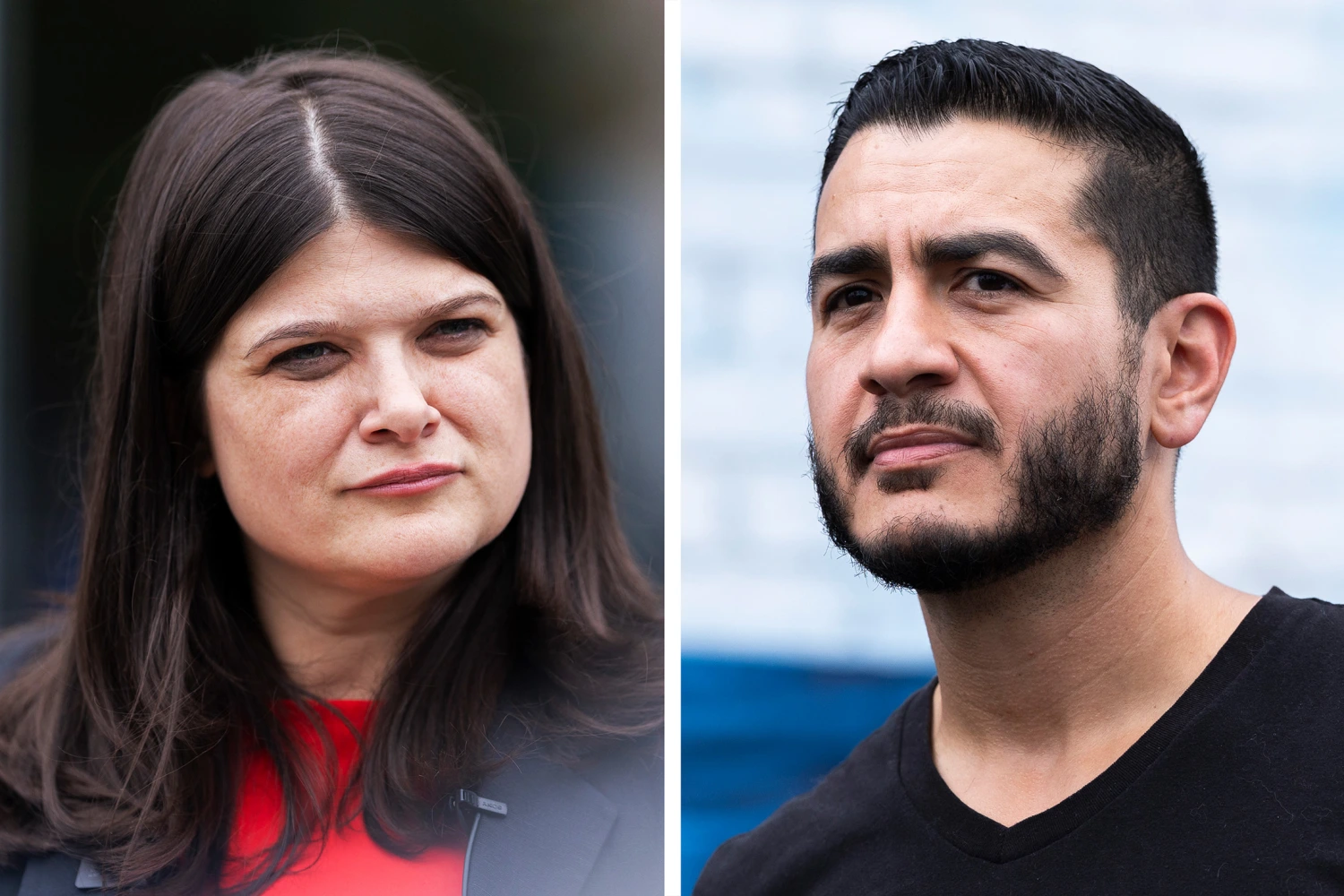
Michigan Primaries Highlight Deep Democratic Divisions Across the Midwest
Recent primary races, particularly in Michigan, have highlighted significant internal divisions within the Democratic Party. Progressive candidates scoring notable victories are challenging established norms and conventional wisdom among party leadership. These ideological battles are setting a tone for other pivotal Midwestern states, including Wisconsin's governorship race and Minnesota's senate primary. Republicans are capitalizing on these divisions, while some Democrats fear negative electoral fallout in November.
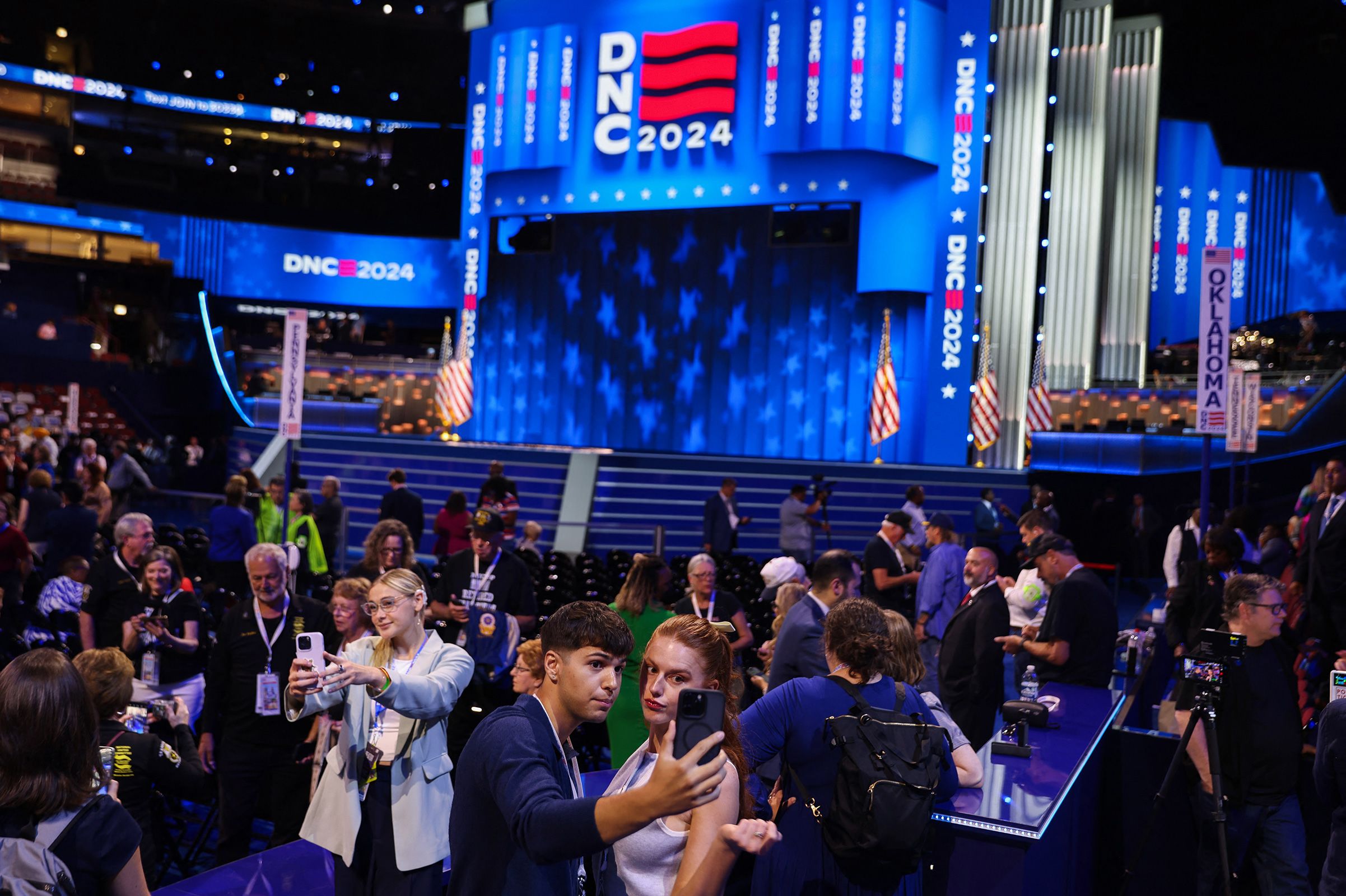
California considers fines for influencers who fail to disclose paid political posts
California is considering introducing laws that mandate clear disclosures for social media influencers making political posts. These proposed regulations aim to illuminate who is paying for online political speech and penalize non-disclosure with potential fines of up to $5,000. The legislation, reportedly introduced by Senator Adam Schiff, would also expand its scope to restrict fraudulent AI-generated content and deepfakes used in political advertising. The debate highlights growing concerns over the transparency and funding sources of digital political messaging.
Wisconsin Primaries Highlight Democratic Party Divisions and Progressive Reform Calls
The recent slate of primary elections across states like Wisconsin has exposed significant ideological rifts within the Democratic Party, affecting gubernatorial and congressional races. These high-stakes primaries are drawing national attention, leading some progressives to argue that internal struggles reflect broader economic frustration. Meanwhile, voters face specific procedural rules regarding absentee ballots, while external issues include party funding debates and political prediction markets.
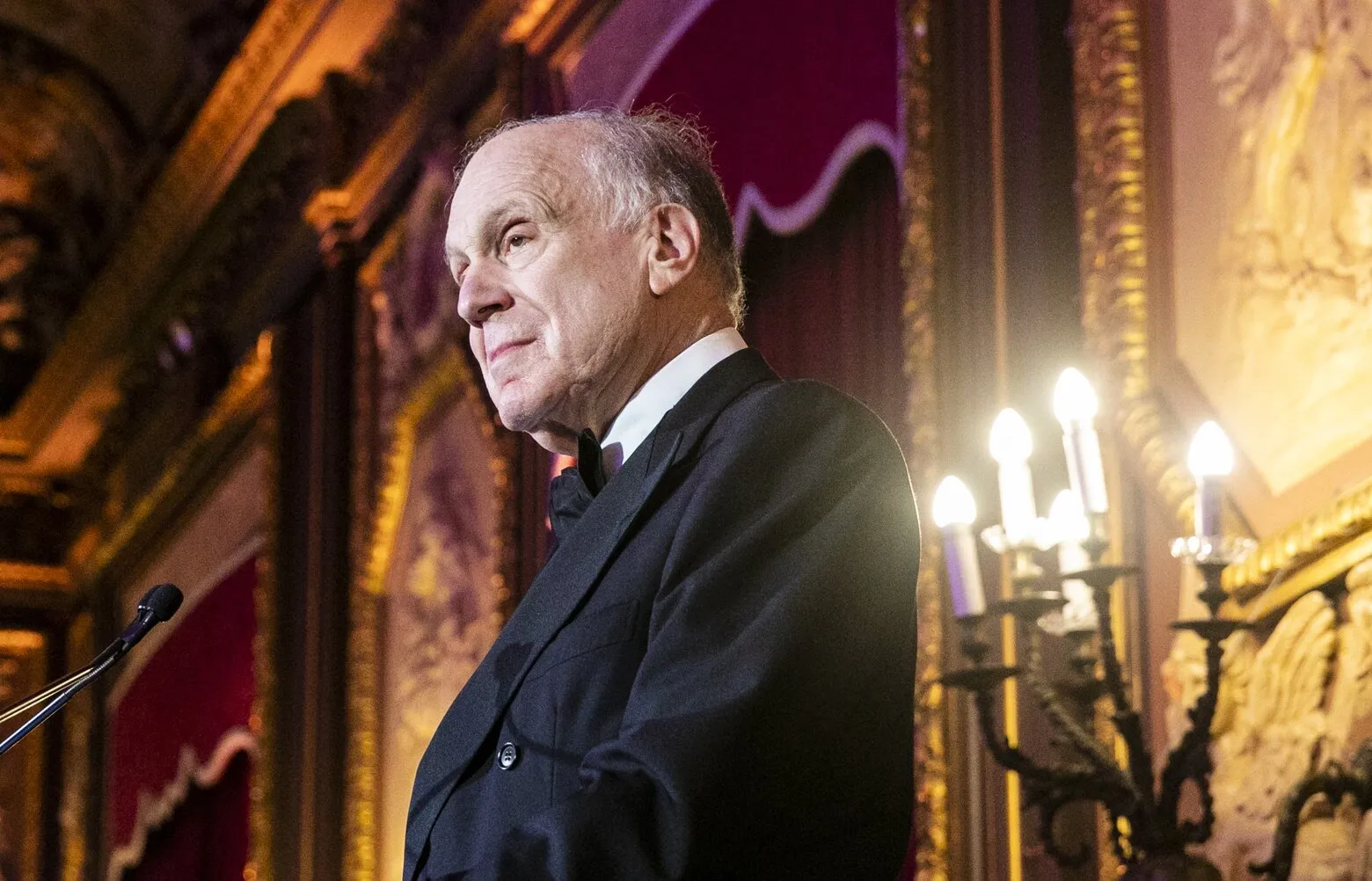
Billionaire GOP Donor Ronald Lauder Abruptly Scales Back Political Giving
Ronald Lauder, a billionaire philanthropist and major donor to the Republican Party, has abruptly curtailed his extensive history of political giving. The wealthy heir, who previously funneled millions into federal, state, and local elections—spending over $70 million in total—is reportedly scaling back support amid potential implications for GOP fundraising ahead of key elections.
Take Yomuyo with you
Download the mobile app for personalized headlines and quick access to breaking stories.