

Scientists Debate Potential 'Super El Niño' and Its Global Impacts

Climate scientists are closely monitoring ocean temperatures for signs of a developing El Niño, with some forecasts suggesting the potential for a rare 'super' event. The Copernicus Climate Change Service has confirmed record-warm global sea surface temperatures, further indicating the possibility for El Niño conditions to form later this year. However, experts urge caution, noting that spring forecasts are notoriously uncertain and that media predictions of a 'Super El Niño' or 'Godzilla El Niño' may be premature and unnecessarily alarming for farmers and residents in fire-prone regions. If a strong El Niño does develop, its impacts on global weather could be significant. Historically, El Niño events occur every 3-4 years, with only four qualifying as 'super' events since 1950, the last being in 2015-2016. For hurricane season, El Niño typically creates strong westerly winds and increased wind shear over the Caribbean Sea, which is hostile for tropical storm development. However, stronger El Niños also influence weather patterns that determine where hurricanes track, potentially redirecting storm paths. The potential effects on the United States could be dramatic by summer, though scientists emphasize that El Niño is just one ingredient in complex weather systems. Climate scientist Tom Di Liberto noted that while the ingredients for El Niño are present, forecasts in spring cannot account for unexpected changes that might occur over the summer. Other experts, like Cliff Mass, have stated it's simply too early to predict the strength of any potential El Niño, urging media outlets to refrain from sensational predictions until more data is available.
Prefer swipe-first reading?
Install the app to keep reading with faster loads and a smoother mobile experience.
Sources
There have been 27 El Niños since 1950, with one happening on average every 3 to 4 years. You can see this tongue of anomalously warm water forecast by one of the computer models in the map below, stretching from the coast of South America to the central Pacific Ocean near the equator. The forecast sea-surface temperature anomalies — in degrees Celsius — from August-October 2026. The potential super ...
El Niño usually sets up a pattern of strong westerly winds aloft and sinking air over the Caribbean Sea. Riding over the typical easterly winds near the surface, this increased wind shear is hostile for development of tropical storms and hurricanes, or those that move into this environment. One of those recent super ...
But while it's just one ingredient in the recipe of how active a hurricane season is, it turns out stronger El Niños also set up weather patterns that determine where hurricanes go. (MORE: Super El Niño Possible | Hurricane Season Outlook)
Climate scientist: It’s too early to predict a ‘super El Niño’ this year – KIRO 7 News Seattle
Mass stated that conditions are ... the Super El Niño prediction is correct. “Again, I mean, I just think we should refrain from these predictions at this point,” Mass said. “We really don’t know how strong. It’s too early, and some of these media groups are just getting ahead of things.” · Watch the full discussion here. Listen to John Curley weekday afternoons from 3 – 7 p.m. on KIRO Newsradio, 97.3 ...
The Copernicus Climate Change Service confirmed that March had its second-warmest global sea surface temperature on record, further indicating the possibility for El Niño conditions to form later this year. Here’s what to know about “Super El Niños” and their impact on weather conditions.
Are we heading for ‘super El Niño’ – and what could we expect? | Climate crisis | The Guardian
While it’s not “a slam dunk”, climate scientist and media director for Climate Central Tom Di Liberto said during a briefing held on Thursday that the ingredients for El Niño are there. Forecasts in spring can’t account for unexpected changes that can happen over the summer, he added, ...
Are we heading for ‘super El Niño’ – and what could we expect? | Climate crisis | The Guardian
Climate scientists are quick to point out that each event is unique and there’s considerable variability between them, in intensity and outcomes. But Enso predictions can help people around the world prepare for coming shifts in extreme weather – an essential tool in a warming world. Conditions are currently shifting from La Niña to a neutral pattern, according to the latest ...
Fact Checks
Related news
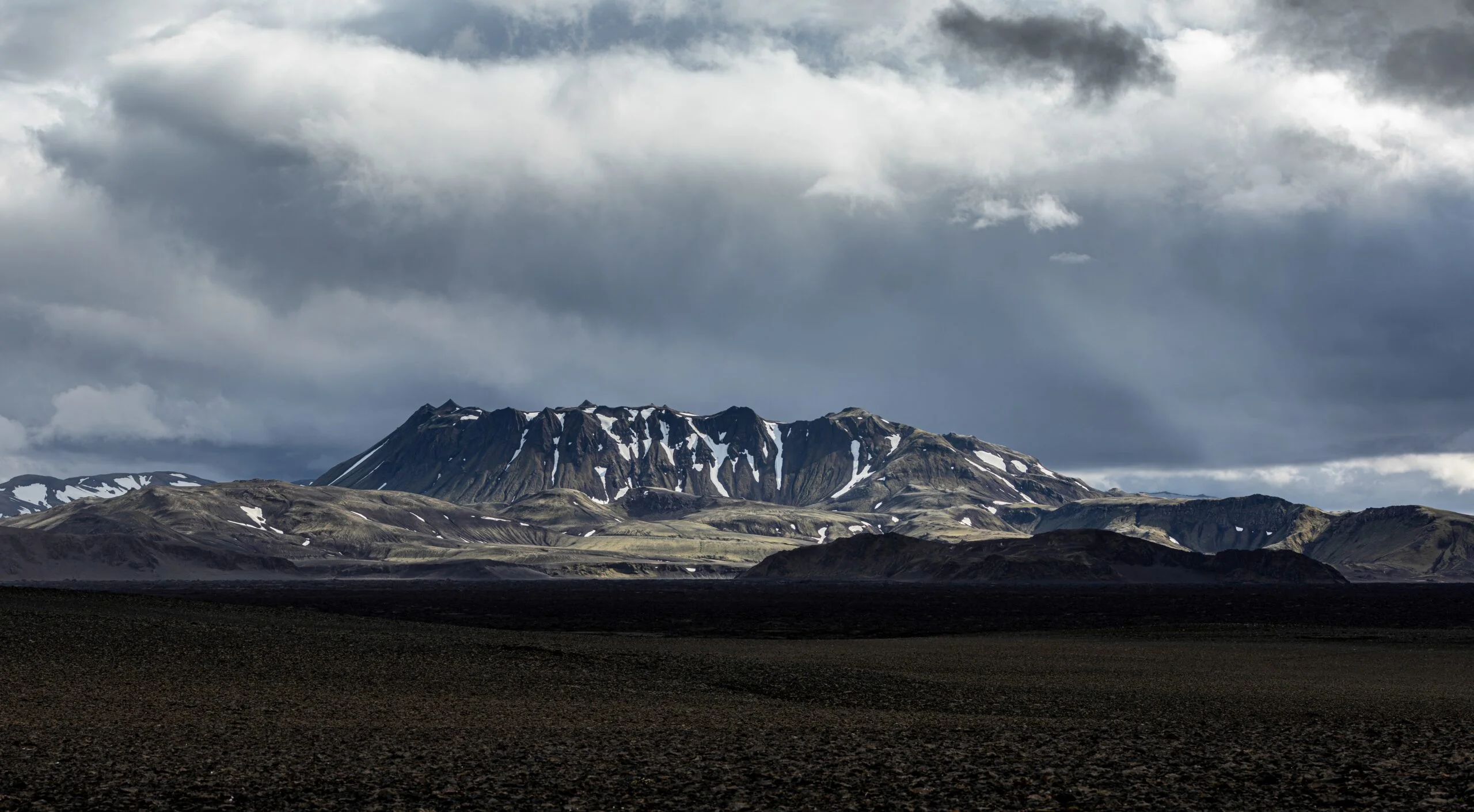
Underground Gases and Climate Swings Linked to Ancient Mass Extinctions
Scientists propose that volatile gases emanating from deep within the earth could be responsible for extreme climate shifts leading to ancient mass extinctions. This theory draws parallels between geological upheaval and major biological crises spanning hundreds of millions of years. Furthermore, research exploring gas shales has revealed unique ecosystems, including rock-eating fungi and tardigrades, suggesting that life continues to adapt in extreme environments. These findings underscore the deep connection between planetary geochemistry, climate stability, and biodiversity.
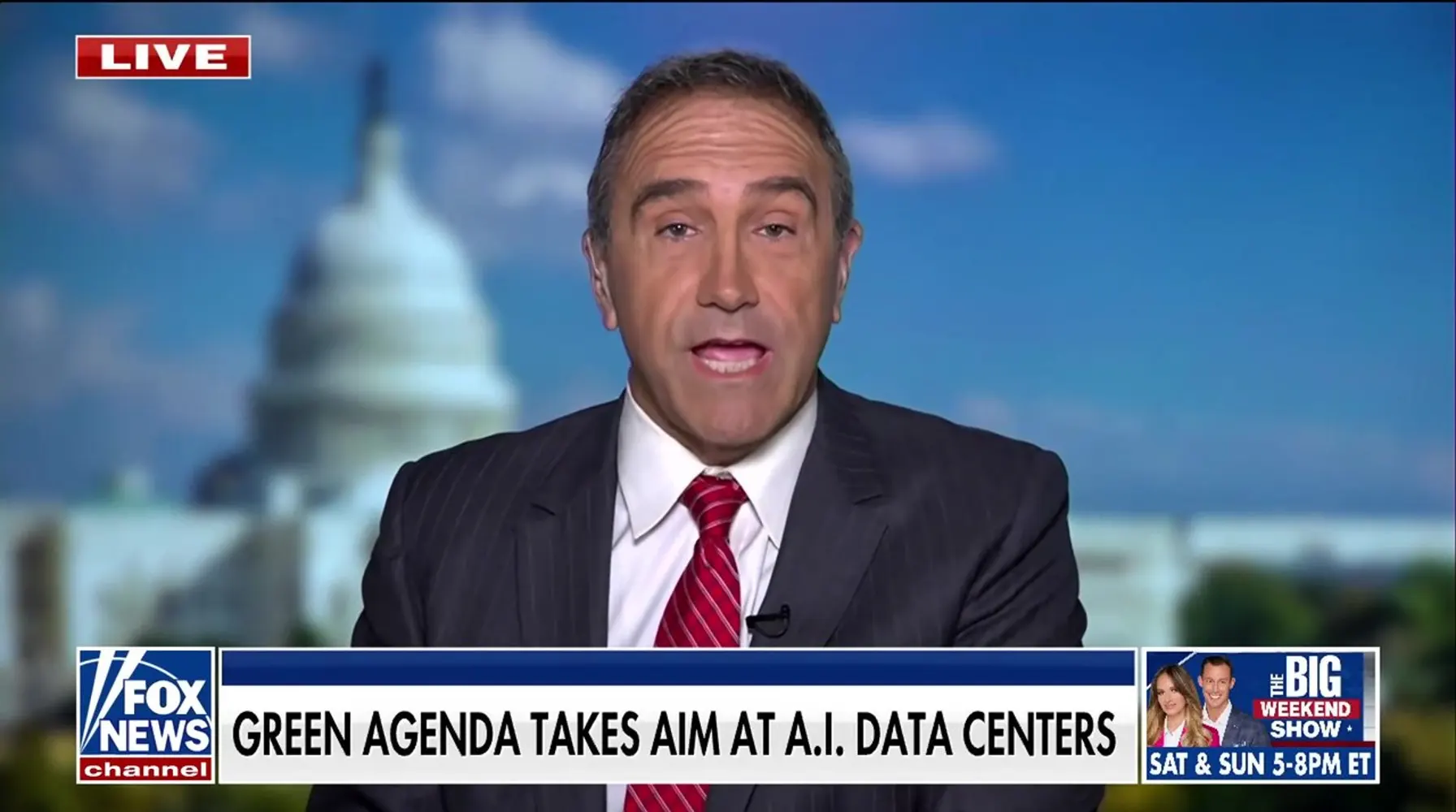
Data Center Backlash Intensifies Amid Energy Concerns and Local Opposition
A growing wave of opposition is targeting the rapid development of data centers across multiple states, driven by concerns regarding massive energy consumption, water usage, and potential damage to local communities. The debate remains highly polarized: while activists organize protests and file lawsuits demanding moratoria or stricter zoning (Pennsylvania, Oregon), industry proponents argue that these facilities are essential infrastructure for modern life, citing the necessity of AI and digital services.
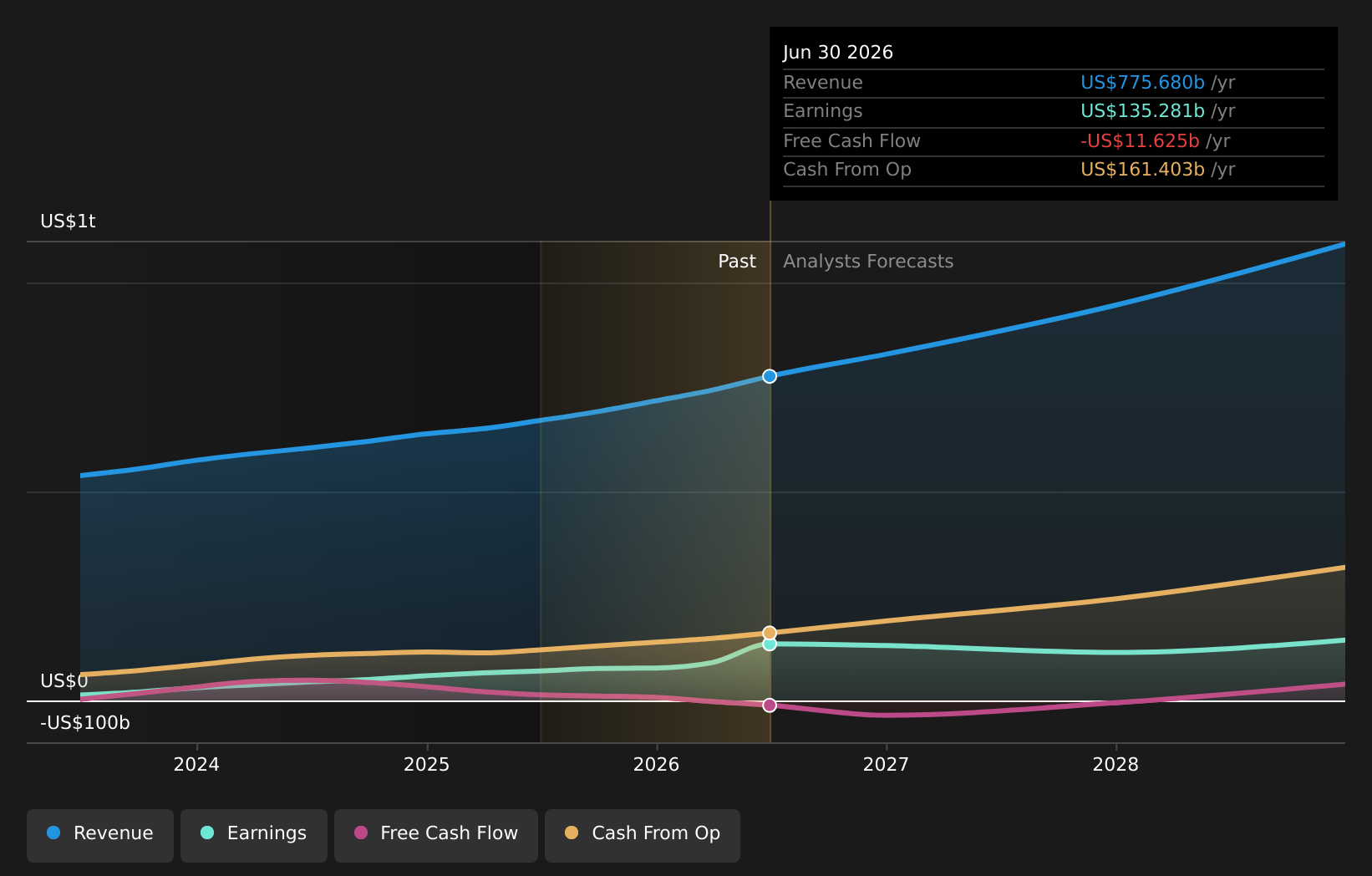
Planned Amazon data center could become the biggest climate polluter i (10 sources)
Planned Amazon data center could become the biggest climate polluter i (10 sources) This story has been covered by multiple news sources, providing comprehensive coverage from different perspectives. **www.msn.com** reports: Planned Amazon data center could become the biggest climate polluter in the US Planned Amazon data center could become the biggest climate polluter in the US ; **www.yahoo.com** reports: Amazon’s Data Center Construction is Making Life Across the Street Unlivable, According to a Virginia Homeowner When it comes to data centers, there are tons of cases growing ever more serious around the country, uniting under a single ... **www.omanobserver.om** reports: New Amazon data center stokes worry in the US Amazon is investing in a large-scale natural-gas-burning power…
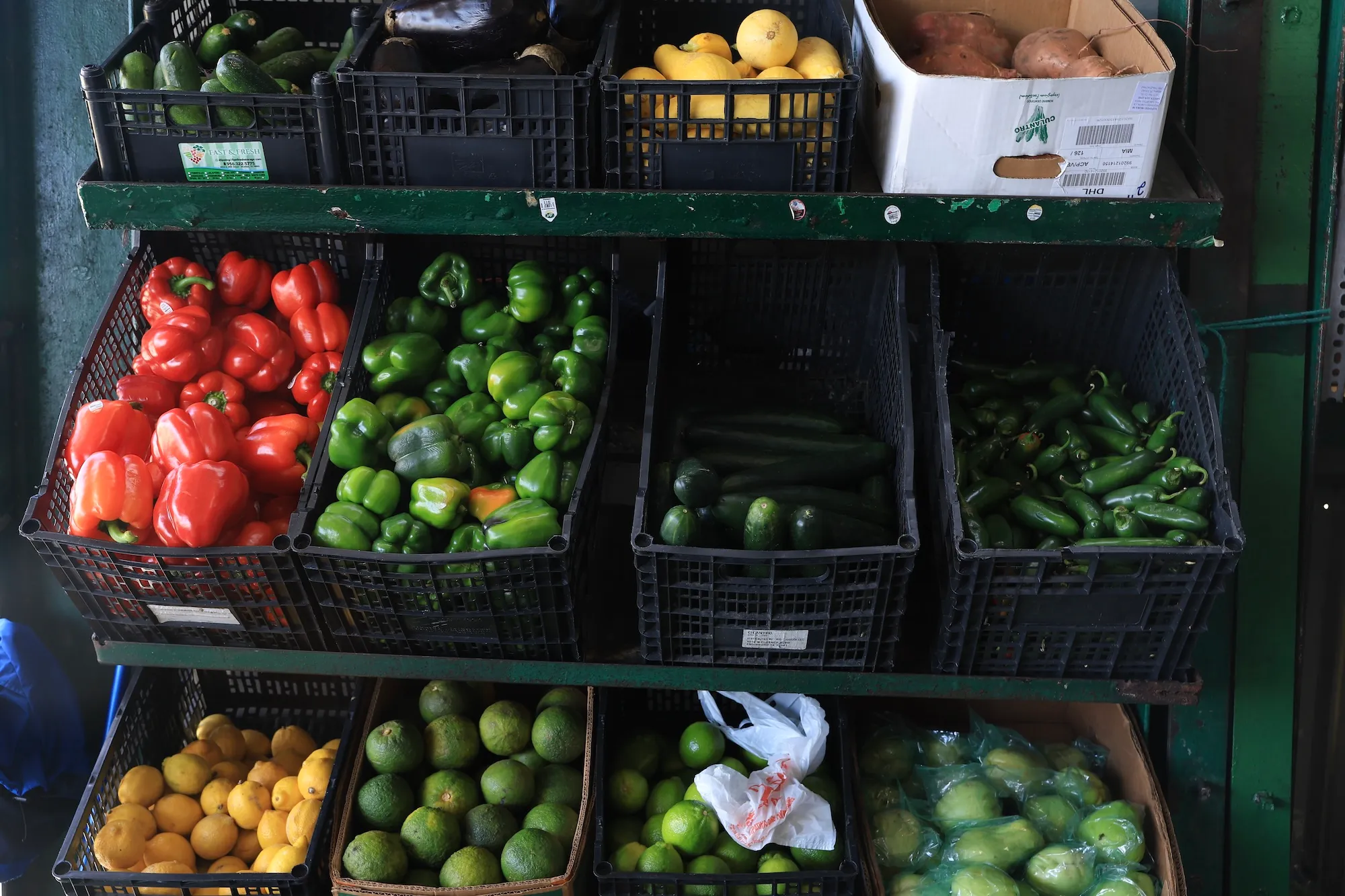
Optimizing Your Plate: A Guide to Seasonal Eating and Shopping at Farmers Markets
Following a seasonal produce guide is key to improving diet quality and sustainability. By prioritizing what your region grows naturally, consumers can access peak flavor and nutrition that often degrades when produce travels long distances. Beyond knowing what's in season, maximizing the farmer’s market experience requires smart shopping techniques—from early-bird picking to utilizing vendor deals—to ensure fresh finds last until the end of the week.

Detroit Officials Criticized for Language Access Gaps During Recent Emergencies
A statewide immigrant rights group criticized the City of Detroit after discovering multiple instances where official emergency announcements—such as those concerning hazardous smoke or extreme heat—were not translated for non-English speakers. The failure highlights gaps in mandated language access services meant to protect vulnerable populations. Meanwhile, local resources like the All Saints Literacy Center continue to provide vital one-on-one English instruction and support to Detroit's immigrant community.

Experts Warn Climate Change Will Worsen Foodborne Illnesses and Global Health Risks
Climate change poses a growing threat to global public health, intensifying risks from specific pathogens and complicating international responses. Beyond localized issues like worsening Cyclospora outbreaks in summer produce, the World Health Organization (WHO) has launched initiatives to map and strengthen knowledge regarding the health consequences of climate-related migration and displacement.
Take Yomuyo with you
Download the mobile app for personalized headlines and quick access to breaking stories.