

Hormuz Strait Crisis Halts Global Shipping, Sends Oil Prices Soaring

Global shipping through the Strait of Hormuz, one of the world's most vital energy chokepoints, has nearly ground to a halt following a significant escalation of conflict between Iran and the U.S. and Israel. According to maritime analysts, ship traffic through the strait plummeted by 94% after hostilities began on February 28th, with only three tankers recorded passing through on March 1st. The disruption has left at least 150 vessels anchored and unable to transit, including oil tankers carrying an estimated 10 million barrels of oil. The scale of the disruption has surprised analysts, who note the situation is more severe than previous regional tensions. The closure has triggered immediate and severe repercussions for global trade and energy markets. Leading maritime insurers have cancelled war risk coverage for vessels in the Gulf, making passage prohibitively expensive and risky. This has forced major container shipping giants, including China's COSCO, to suspend operations and reroute vessels to 'safe waters.' The strait is a critical conduit, typically carrying one-fifth of the world's oil consumption, and its effective shutdown has prompted a surge in oil prices, raising fears of prolonged disruption. The international community is calling for de-escalation as the crisis threatens to exacerbate global cost-of-living pressures. China has publicly urged 'all parties' to avoid further escalation and to ensure the protection of vessels in the region. The combination of halted shipping, soaring freight costs, and rising energy prices positions the Strait of Hormuz crisis as a significant threat to the stability of global supply chains and the broader economy.
Prefer swipe-first reading?
Install the app to keep reading with faster loads and a smoother mobile experience.
Sources
The Strait of Hormuz avoided mass disruptions, despite initial fears. This time, analysts say, is different. “The scale [of Iran’s retaliation] has been a big, big surprise,” Jorge León, head of geopolitical analysis at research company Rystad Energy, told NBC News on Saturday in the ...
The escalating war in the Middle East has ratcheted up fears of prolonged disruption to global trade via key maritime corridors like the Strait of Hormuz and the Bab el-Mandeb Strait. Container shipping giants have suspended operations through the strategically vital Strait of Hormuz and rerouted ...
Ship tracking reveals tankers and millions of barrels of oil stuck in the Gulf | World News | Sky News
Analytics agency Kpler estimates that these five ships have the capacity to carry around 10 million barrels of oil. Image: Sky News has tracked five oil tankers turning away from the Strait of Hormuz on 1 March 2026.
Maritime insurers cancel war risk cover in Gulf as Iran conflict disrupts shipping | Shipping industry | The Guardian
At least 150 vessels have dropped anchor in the strait of Hormuz. Photograph: Hamad I Mohammed/Reuters ... Leading maritime insurers have cancelled war risk cover for vessels operating in the Gulf as the escalating Iran conflict disrupted shipping and sent some freight costs surging.
Shutdown of Hormuz Strait raises fears of soaring oil prices | Oil and Gas News | Al Jazeera
The United States and Israel’s war with Iran has spilled over into the Strait of Hormuz, one of the world’s most critical energy chokepoints, prompting a surge in oil prices. Shipping through the strait, which carries one-fifth of the oil consumed globally as well as large quantities of ...
What disrupting the strait of Hormuz could mean for global cost-of-living pressures | US-Israel war on Iran | The Guardian
Shipping through the strait of Hormuz, a narrow channel on Iran’s southern border that connects the Persian Gulf with the Gulf of Oman, effectively closed after the missile attacks as companies swiftly moved to restrict transport.
Ship traffic through the strait of Hormuz — the world's most critical oil and LNG shipping lane — has almost ground to a halt since US and Israeli forces struck Iran on 28 February, with only three tankers recorded sailing through the waterway on 1 March, according to the Joint Maritime ...
Fact Checks
Related news

Brazilian Court Blocks Bolsonaro from Visiting Sons on Father's Day
Brazil's top court has issued a ban preventing former president Jair Bolsonaro from visiting his sons on Father's Day this Sunday. The decision enforces stricter visitation guidelines following recent legal disputes. The restrictions come after the Supreme Court ruled that the family had breached terms, with some reports noting previous actions, such as Flavio Bolsonaro reading letters online despite social media bans. Some court rulings have extended these blocks for longer periods.

IS-linked Militants Attack Congo Village; UN Imposes Sanctions on Armed Groups
An attack by militants affiliated with Islamic State-linked groups has reportedly killed at least 13 people in a village located in eastern Congo, near the border with Uganda. The region continues to face severe instability. Beyond these attacks, suspected fighters from the Allied Democratic Forces (ADF) have been active, and the UN Security Council recently imposed sanctions on leaders of various armed groups operating throughout eastern DRC.

Lionel Messi's Father and Agent, Jorge Messi, Dies at Age 68
Jorge Messi, the father and longtime agent of Argentine soccer legend Lionel Messi, died at the age of 68. Reports indicate he had been battling a long-term illness. Messi's father was instrumental in his son's career, having accompanied him to Europe when he signed with Barcelona as a teenager. He was widely recognized for his dedication and presence supporting Lionel throughout his professional life.

Solar eclipse to occur next week. Here is what to know (10 sources)
Solar eclipse to occur next week. Here is what to know (10 sources) This story has been covered by multiple news sources, providing comprehensive coverage from different perspectives. **www.npr.org** reports: Solar eclipse to occur next week. Here is what to know Solar eclipse to occur next week. Here is what to know : NPRBack ButtonSearch IconFilter Icon ### [Space](https://www.npr.org/sections/space/) Solar eclipse to occur next week. Here is what to know ====================================================== August 8, 20268:56 PM ET By [Chandelis Duster](https://www.npr.org/people/g-s1-23120/chandelis-duster) 
Democratic Socialist Francesca Hong Leads Wisconsin Governor Race Amid Scrutiny
Francesca Hong has emerged as a front-runner in the Wisconsin gubernatorial race, potentially making history as the state's first socialist governor. Her strong polling numbers position her as a significant figure in this critical battleground state. The campaign faces intense scrutiny regarding its democratic socialist platform and policy shifts, including evolving views on defunding police. Meanwhile, national Democratic figures have expressed skepticism about Hong’s electability, while others suggest alternative candidates may benefit from the primary outcome.
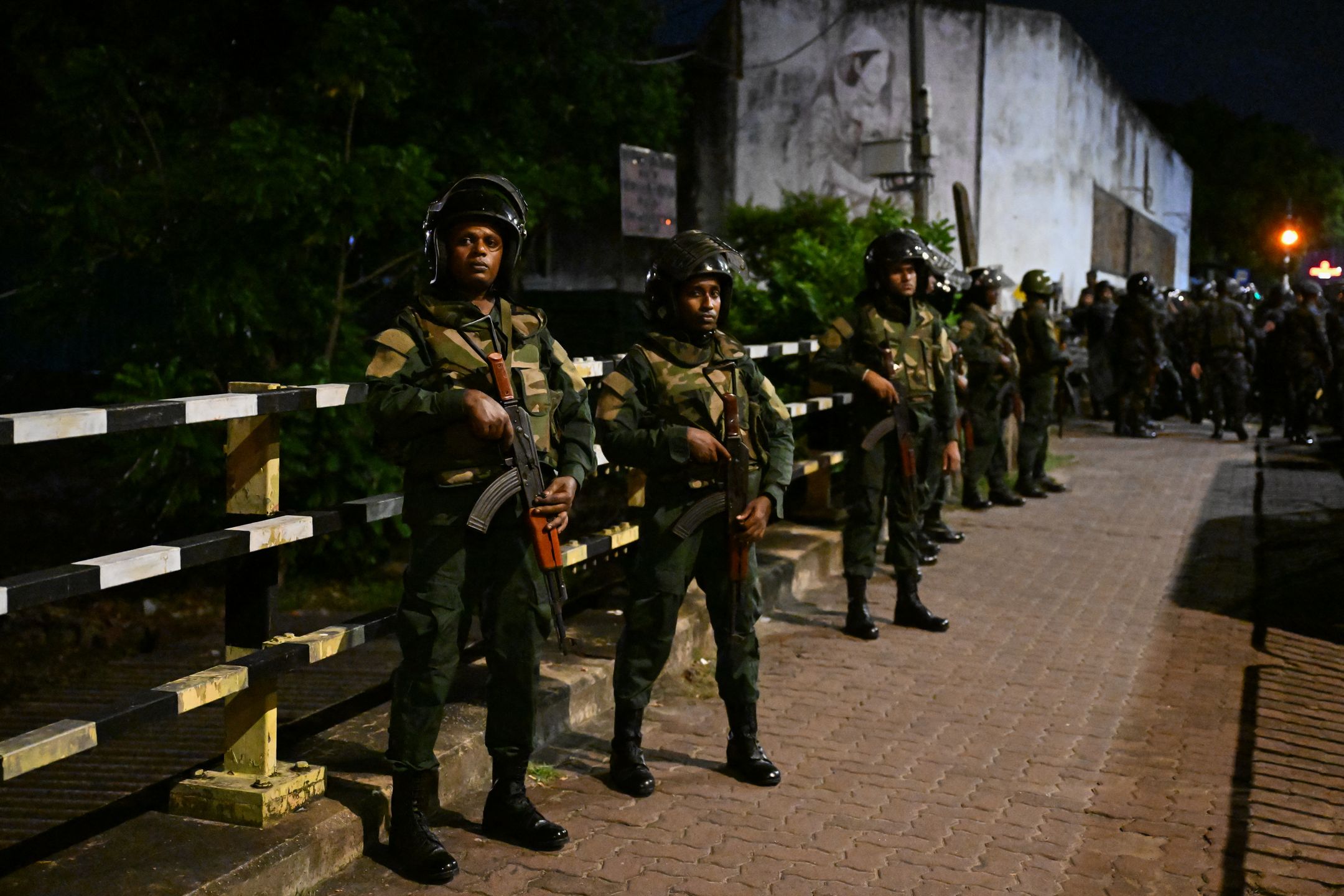
Three inmates killed in recent separate prison clashes across Sri Lanka
Sri Lanka reported that three inmates were killed and more than twenty people were injured during two separate, deadly prison clashes. The unrest has prompted the deployment of military troops to major correctional facilities, including Welikada and Magazine Prisons. Officials attribute the growing instability to severe overcrowding within the country's jail system, which is reportedly operating at capacity.
Take Yomuyo with you
Download the mobile app for personalized headlines and quick access to breaking stories.