

Phoenix Braces for Historic March Heat Wave, Shattering 38-Year Record

The Phoenix metropolitan area is bracing for a historic and potentially record-shattering heat wave this week, with forecasts predicting temperatures will soar past 100 degrees Fahrenheit. Meteorologists warn this could mark the earliest 100-degree day in the city's recorded history, breaking a record that has stood since March 26, 1988. The heat is expected to be not just a single-day spike but an extended stretch, with some forecasts indicating up to five consecutive days above 100 degrees, a phenomenon never before seen in March. This 'unprecedented' early-season blast of heat is expected to affect all of Arizona, with Phoenix and Yuma forecast to see the highest temperatures. The intensity of the incoming weather has already prompted significant disruptions, including the rescheduling of several Cactus League Spring Training baseball games to avoid the peak afternoon heat. Outdoor enthusiasts, including hikers, are also scrambling to adjust their plans to 'beat the heat' during a time of year typically associated with milder conditions. The impending heat wave underscores Phoenix's status as one of America's hottest major cities, which averages around 125 days per year above 100°F. Current projections suggest temperatures may remain elevated through the coming weekend before gradually easing back into the 90s early next week. Officials and residents are being urged to take precautions as winter ends abruptly and summer-like conditions arrive weeks ahead of schedule, setting the stage for what could be a long and intense warm season.
Prefer swipe-first reading?
Install the app to keep reading with faster loads and a smoother mobile experience.
Sources
Phoenix Will see 5 days of over 100 degree weather This Week - Climate Crisis 247
Sources: PBS, KIZZ, Axios, Weather-dot-gov, ABC News, Extreme Weather Watch, NPR, Weather.com, and NOAA. ... By David Callaway, Callaway Climate Insights (Mark Hulbert, author and longtime investment columnist, is the founder of the Hulbert…
Temperatures could reach as high ... in Phoenix during March and hotter than the city’s current all-time April record. The extended stretch of heat may also continue beyond the workweek. Current forecasts show temperatures staying above 100 degrees through next weekend before gradually easing back into the 90s early next week. The heat wave will also ...
The temperatures could shatter a heat record previously set in 1988, when Phoenix hit the 100-degree mark on March 26. All of Arizona will be affected by the heat wave, though the usual hotspots like Phoenix and Yuma will see the highest temperatures.
Hikers scramble to 'beat the heat' as heat wave pushes temps toward triple digits | FOX 10 Phoenix
A record-shattering March heat wave is pushing Valley temperatures toward 100°F this week, an unprecedented spike that could mark the earliest triple-digit day in Phoenix history.
Among large American cities, Phoenix stands alone. It averages around 125 days per year above 100°F — nearly double that of Las Vegas, the second-highest city, which averages 78 such days. Sources: PBS, KIZZ, Axios, Weather-dot-gov, ABC News, Extreme Weather Watch, NPR, Weather.com, and NOAA.
PHOENIX — The Phoenix area is on track to see record-shattering heat this week, with temperatures reaching triple digits earlier than ever recorded and potentially setting a new all-time March high. Temperatures are expected to climb past 100 degrees by Wednesday, which would mark the earliest ...
Fact Checks
Related news
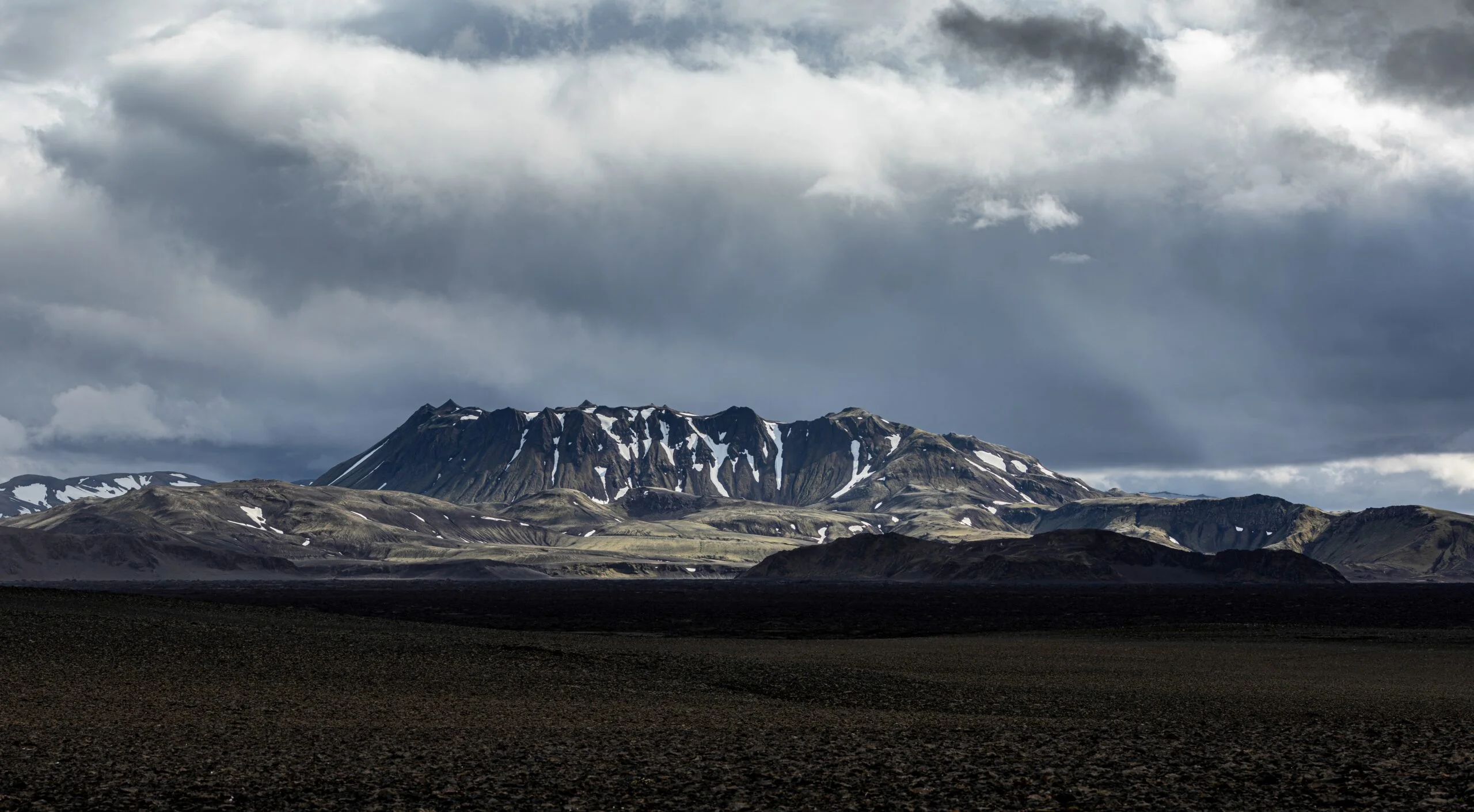
Underground Gases and Climate Swings Linked to Ancient Mass Extinctions
Scientists propose that volatile gases emanating from deep within the earth could be responsible for extreme climate shifts leading to ancient mass extinctions. This theory draws parallels between geological upheaval and major biological crises spanning hundreds of millions of years. Furthermore, research exploring gas shales has revealed unique ecosystems, including rock-eating fungi and tardigrades, suggesting that life continues to adapt in extreme environments. These findings underscore the deep connection between planetary geochemistry, climate stability, and biodiversity.

Data Center Backlash Intensifies Amid Energy Concerns and Local Opposition
A growing wave of opposition is targeting the rapid development of data centers across multiple states, driven by concerns regarding massive energy consumption, water usage, and potential damage to local communities. The debate remains highly polarized: while activists organize protests and file lawsuits demanding moratoria or stricter zoning (Pennsylvania, Oregon), industry proponents argue that these facilities are essential infrastructure for modern life, citing the necessity of AI and digital services.
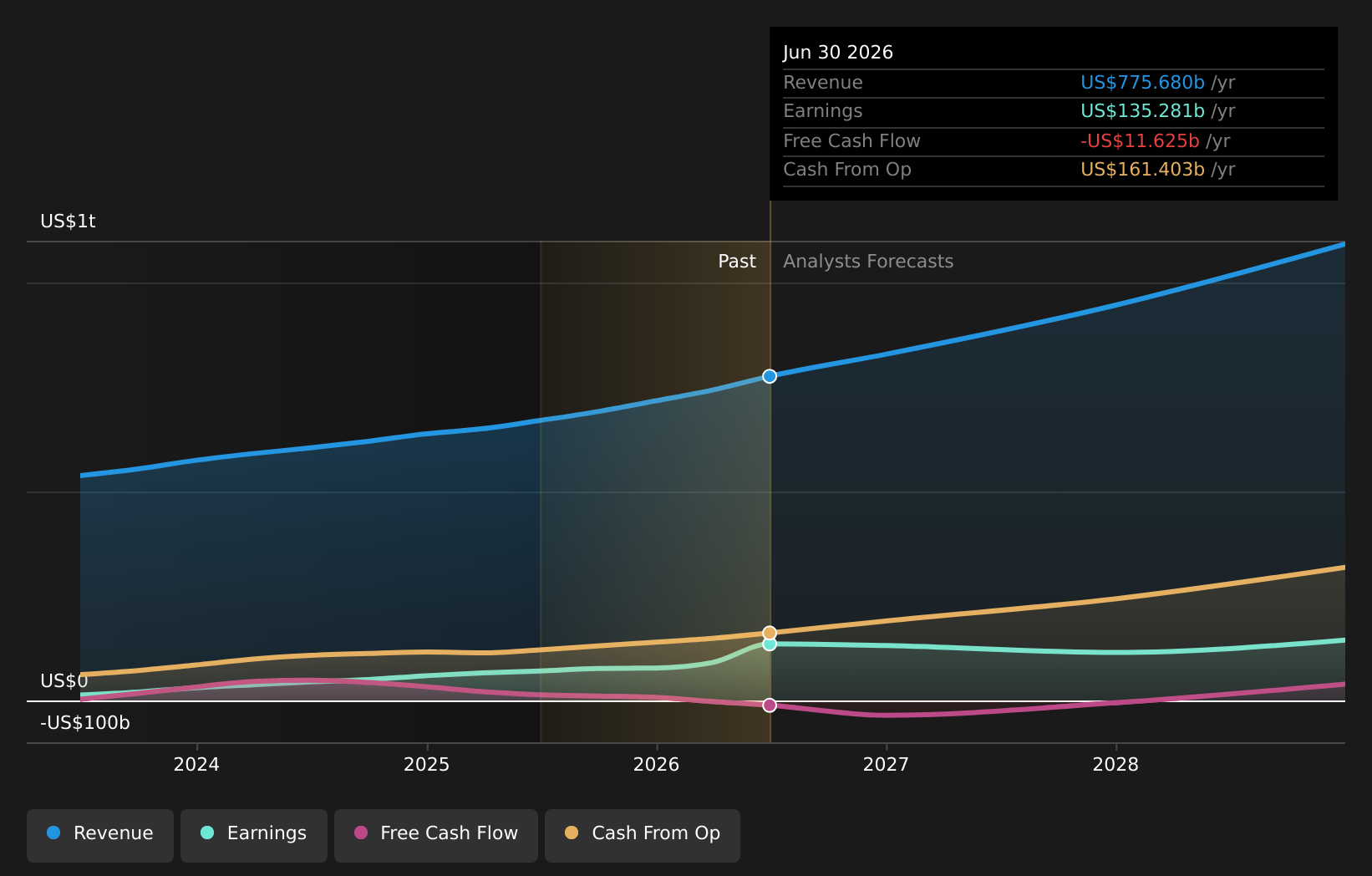
Planned Amazon data center could become the biggest climate polluter i (10 sources)
Planned Amazon data center could become the biggest climate polluter i (10 sources) This story has been covered by multiple news sources, providing comprehensive coverage from different perspectives. **www.msn.com** reports: Planned Amazon data center could become the biggest climate polluter in the US Planned Amazon data center could become the biggest climate polluter in the US ; **www.yahoo.com** reports: Amazon’s Data Center Construction is Making Life Across the Street Unlivable, According to a Virginia Homeowner When it comes to data centers, there are tons of cases growing ever more serious around the country, uniting under a single ... **www.omanobserver.om** reports: New Amazon data center stokes worry in the US Amazon is investing in a large-scale natural-gas-burning power…
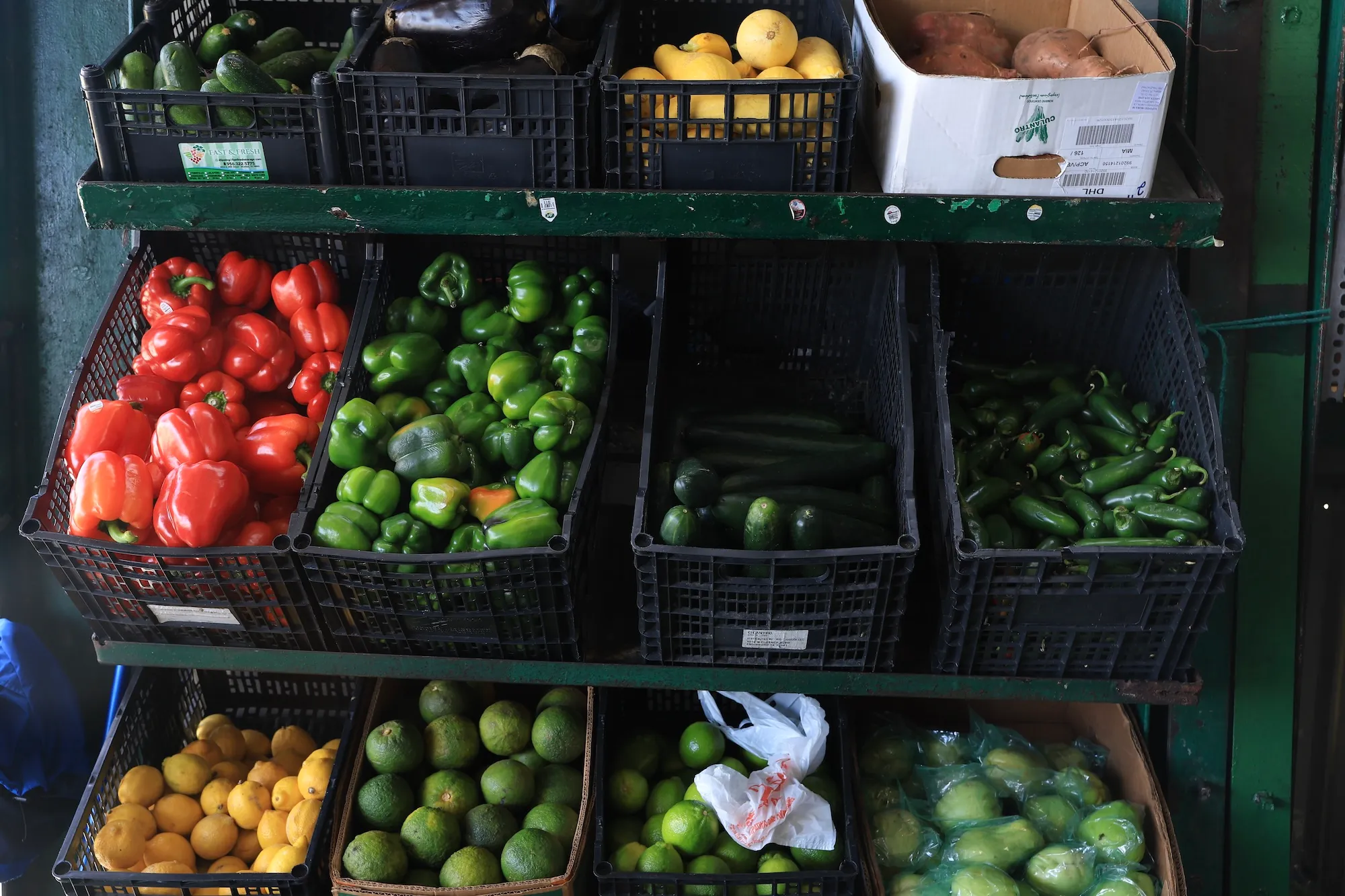
Optimizing Your Plate: A Guide to Seasonal Eating and Shopping at Farmers Markets
Following a seasonal produce guide is key to improving diet quality and sustainability. By prioritizing what your region grows naturally, consumers can access peak flavor and nutrition that often degrades when produce travels long distances. Beyond knowing what's in season, maximizing the farmer’s market experience requires smart shopping techniques—from early-bird picking to utilizing vendor deals—to ensure fresh finds last until the end of the week.

Detroit Officials Criticized for Language Access Gaps During Recent Emergencies
A statewide immigrant rights group criticized the City of Detroit after discovering multiple instances where official emergency announcements—such as those concerning hazardous smoke or extreme heat—were not translated for non-English speakers. The failure highlights gaps in mandated language access services meant to protect vulnerable populations. Meanwhile, local resources like the All Saints Literacy Center continue to provide vital one-on-one English instruction and support to Detroit's immigrant community.

Experts Warn Climate Change Will Worsen Foodborne Illnesses and Global Health Risks
Climate change poses a growing threat to global public health, intensifying risks from specific pathogens and complicating international responses. Beyond localized issues like worsening Cyclospora outbreaks in summer produce, the World Health Organization (WHO) has launched initiatives to map and strengthen knowledge regarding the health consequences of climate-related migration and displacement.
Take Yomuyo with you
Download the mobile app for personalized headlines and quick access to breaking stories.