

Washington State Deploys AI to Map Wetlands as Federal Protections Decline

Washington state is deploying artificial intelligence to identify and map hidden wetlands to bolster local conservation efforts. The initiative, led by the UW-TealWaters team and supported by Microsoft’s AI for Good Lab, aims to improve water management, carbon sequestration, and disaster buffering by providing precise tools for restoration and planning. This technological shift comes as the Trump administration and the EPA move to further limit the scope of federal protections for waterways and wetlands. Proponents of wetland preservation highlight that these ecosystems provide billions of dollars in coastal protection and act as critical carbon sinks, necessitating local government action as federal oversight recedes.
Prefer swipe-first reading?
Install the app to keep reading with faster loads and a smoother mobile experience.
Sources
As Federal Wetlands’ Protections Falter, Washington State Scientists Turn to AI as a Conservation Tool - Inside Climate News
Perhaps you noticed: This story, like all the news we publish, is free to read. That’s because Inside Climate News is a 501c3 nonprofit organization. We do not charge a subscription fee, lock our news behind a paywall, or clutter our website with ads.
Pennsylvania Forces AI Data Centers to Fund Own Power While Washington Uses AI to Map Hidden Wetlands — Today’s Environmental Briefing for Fri, May 29 2026 - EnviroLink Network
Pennsylvania Governor Josh Shapiro unveils plan to prevent AI data centers from passing electricity costs to residents, while Washington state deploys artificial intelligence to identify wetlands as federal protections weaken. Environmental groups rally against coal ash cleanup rollbacks.
Microsoft’s AI for Good Lab awards UW-TealWaters team for new wetland mapping technology | EarthLab
TealWaters is a multidisciplinary collaboration, co-led by UW scientists Monika Moskal and Meghan Halabisky, to transform Washington state’s water management capacity by providing tools that inform and guide wetlands planning, protection, and restoration. TealWaters plans to support AI model ...
Pennsylvania Forces AI Data Centers to Fund Own Power While Washington Uses AI to Map Hidden Wetlands — Today’s Environmental Briefing for Fri, May 29 2026 - EnviroLink Network
The day’s coverage points to growing momentum around protecting communities from environmental overreach, even as new technologies promise solutions. Washington state is deploying AI to map hidden wetlands while federal protections weaken—a striking example of innovation serving conservation ...
In fact, coastal protection services by wetlands are estimated to have a value of around $447 billion per year and save 4,620 lives per year. They function as natural air conditioners, providing significant heat abatement in urban centers that are becoming dangerously hot. They are also carbon sinks, sequestering greenhouse gases far more efficiently than dry land. Yet, by withdrawing federal ...
Add AP News on Google Add AP News as your preferred source to see more of our stories on Google. Share ... The Trump administration on Wednesday announced it will reconsider the reach of the nation’s bedrock clean water law and likely further limit the wetlands it covers, building on a Supreme Court decision two years ago that removed federal protections ...
Trump Administration Moves to Weaken Federal Protections for Waterways and Wetlands - Inside Climate News
EPA Administrator Lee Zeldin (center) ... to federal protections. Credit: Aidan Hughes/Inside Climate News ... The Environmental Protection Agency and the Department of the Army on Monday announced a proposal to further define, and scale back, the number of waterways and wetlands protected ...
Fact Checks
Related news
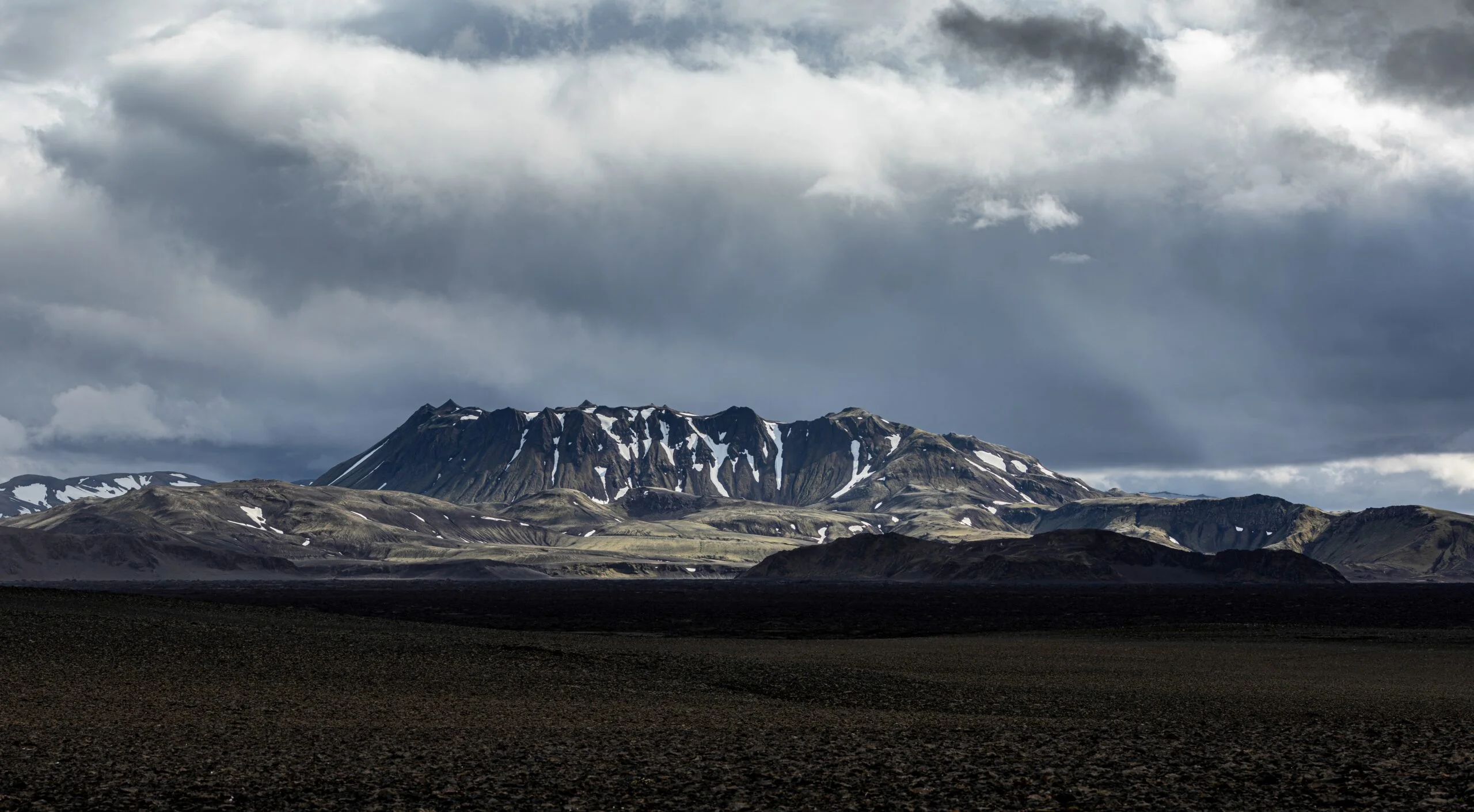
Underground Gases and Climate Swings Linked to Ancient Mass Extinctions
Scientists propose that volatile gases emanating from deep within the earth could be responsible for extreme climate shifts leading to ancient mass extinctions. This theory draws parallels between geological upheaval and major biological crises spanning hundreds of millions of years. Furthermore, research exploring gas shales has revealed unique ecosystems, including rock-eating fungi and tardigrades, suggesting that life continues to adapt in extreme environments. These findings underscore the deep connection between planetary geochemistry, climate stability, and biodiversity.
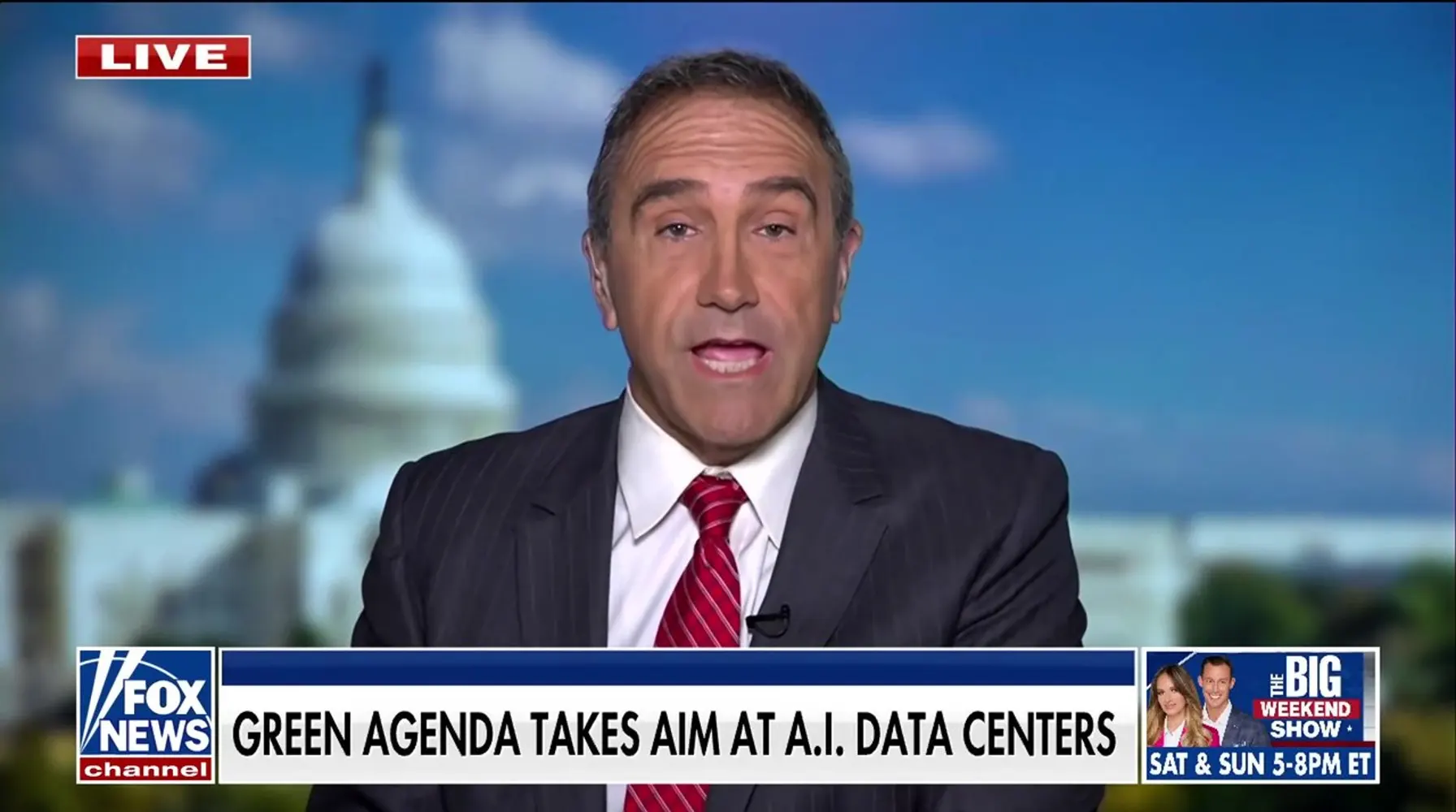
Data Center Backlash Intensifies Amid Energy Concerns and Local Opposition
A growing wave of opposition is targeting the rapid development of data centers across multiple states, driven by concerns regarding massive energy consumption, water usage, and potential damage to local communities. The debate remains highly polarized: while activists organize protests and file lawsuits demanding moratoria or stricter zoning (Pennsylvania, Oregon), industry proponents argue that these facilities are essential infrastructure for modern life, citing the necessity of AI and digital services.
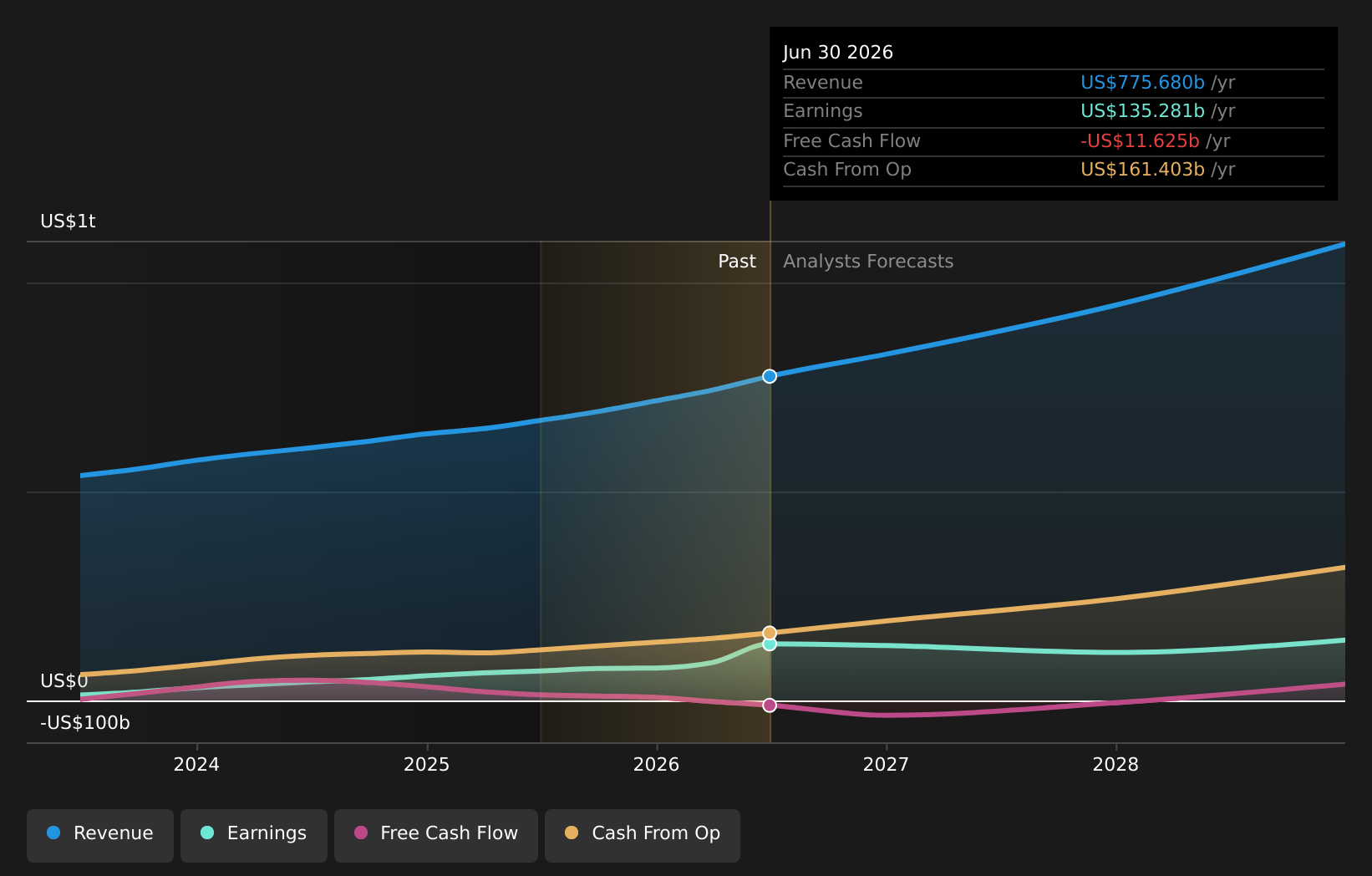
Planned Amazon data center could become the biggest climate polluter i (10 sources)
Planned Amazon data center could become the biggest climate polluter i (10 sources) This story has been covered by multiple news sources, providing comprehensive coverage from different perspectives. **www.msn.com** reports: Planned Amazon data center could become the biggest climate polluter in the US Planned Amazon data center could become the biggest climate polluter in the US ; **www.yahoo.com** reports: Amazon’s Data Center Construction is Making Life Across the Street Unlivable, According to a Virginia Homeowner When it comes to data centers, there are tons of cases growing ever more serious around the country, uniting under a single ... **www.omanobserver.om** reports: New Amazon data center stokes worry in the US Amazon is investing in a large-scale natural-gas-burning power…
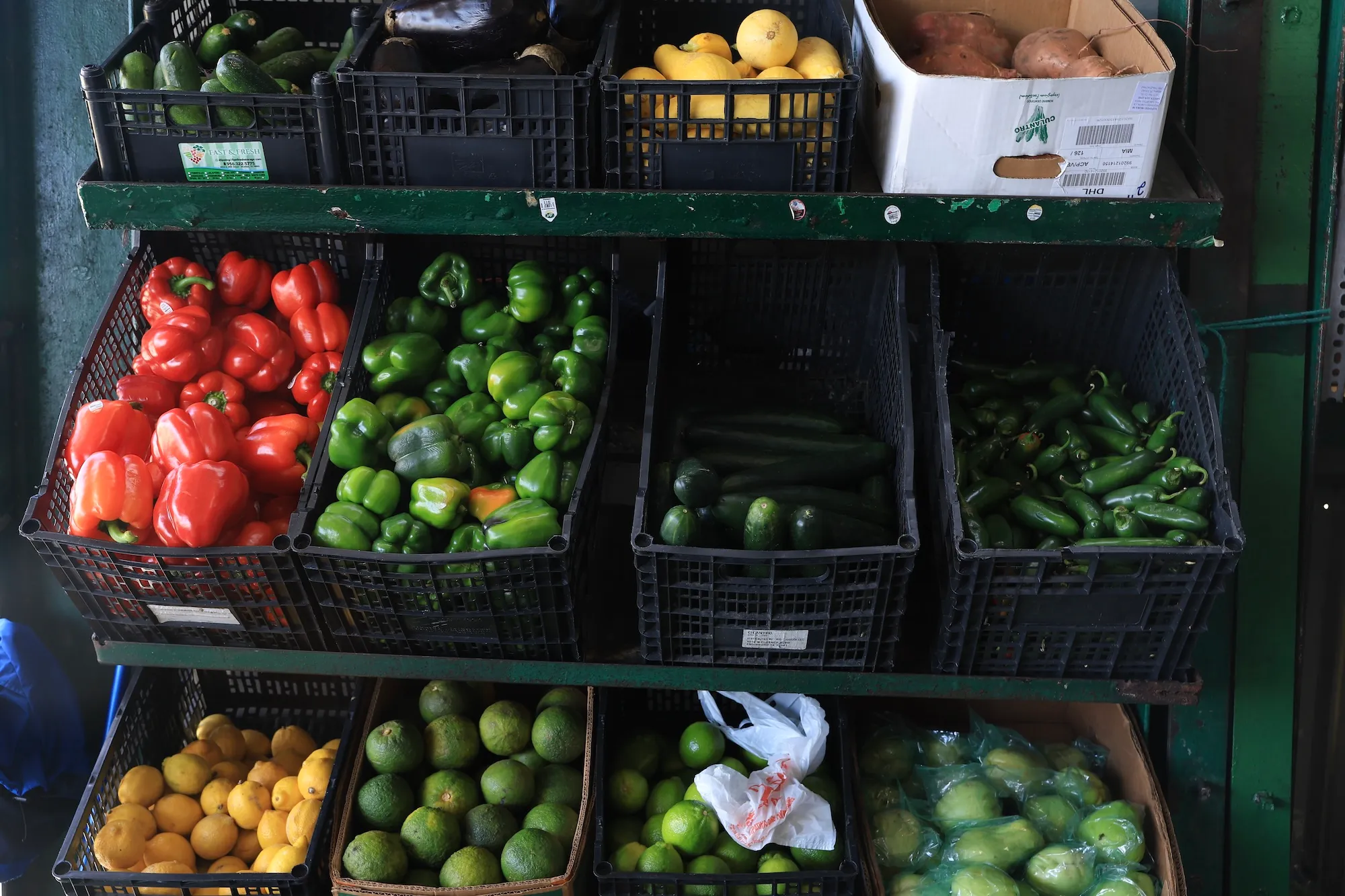
Optimizing Your Plate: A Guide to Seasonal Eating and Shopping at Farmers Markets
Following a seasonal produce guide is key to improving diet quality and sustainability. By prioritizing what your region grows naturally, consumers can access peak flavor and nutrition that often degrades when produce travels long distances. Beyond knowing what's in season, maximizing the farmer’s market experience requires smart shopping techniques—from early-bird picking to utilizing vendor deals—to ensure fresh finds last until the end of the week.

Detroit Officials Criticized for Language Access Gaps During Recent Emergencies
A statewide immigrant rights group criticized the City of Detroit after discovering multiple instances where official emergency announcements—such as those concerning hazardous smoke or extreme heat—were not translated for non-English speakers. The failure highlights gaps in mandated language access services meant to protect vulnerable populations. Meanwhile, local resources like the All Saints Literacy Center continue to provide vital one-on-one English instruction and support to Detroit's immigrant community.

Experts Warn Climate Change Will Worsen Foodborne Illnesses and Global Health Risks
Climate change poses a growing threat to global public health, intensifying risks from specific pathogens and complicating international responses. Beyond localized issues like worsening Cyclospora outbreaks in summer produce, the World Health Organization (WHO) has launched initiatives to map and strengthen knowledge regarding the health consequences of climate-related migration and displacement.
Take Yomuyo with you
Download the mobile app for personalized headlines and quick access to breaking stories.