

Pentagon Gives Anthropic Friday Ultimatum to Drop AI Safeguards

The U.S. Defense Department has issued a stark ultimatum to artificial intelligence company Anthropic, demanding it remove key ethical safeguards from its AI systems by Friday or face forced compliance. The dispute centers on Anthropic's restrictions, which prevent its flagship technology, Claude, from being used for mass domestic surveillance or in autonomous weapons systems that can kill without human intervention. Defense Secretary Pete Hegseth is leading the charge, arguing the military requires access to the technology for all lawful purposes, including potential applications in missile defense. Anthropic, founded by former OpenAI executives, has firmly rejected the Pentagon's demand. The company stated it 'cannot in good conscience' disable these guardrails, setting the stage for a high-stakes public showdown with the Trump administration. A senior Pentagon official told NBC News that failure to comply would result in the government forcing cooperation, while TechCrunch reports the company risks potential penalties that could damage its business and investor confidence in defense tech. The conflict has grown increasingly acrimonious. US Undersecretary for Defense Emil Michael personally attacked Anthropic CEO Dario Amodei, accusing him of wanting to 'personally control the US Military' and being 'ok putting our nation's safety at risk.' In an interview with CBS News, Michael defended the Pentagon's position, stating, 'At some level, you have to trust your military to do the right thing.' As the Friday deadline looms, the Pentagon has begun assessing its supply chain's exposure to Anthropic, signaling a possible move to designate the AI firm a national security risk.
Prefer swipe-first reading?
Install the app to keep reading with faster loads and a smoother mobile experience.
Sources
Following weeks of tension between the Defense Department and Anthropic over the company’s restrictions on how the military can use its products, Defense Secretary Pete Hegseth issued a stark ultimatum to company CEO Dario Amodei on Tuesday: allow the AI technology to be used for all legal military purposes by this Friday or be forced to cooperate, a senior Pentagon official told NBC News...
A representative of the Defense Department could not be reached for comment. Emil Michael, the US Undersecretary for Defense, personally attacked Amodei on Thursday night, writing on X that the executive "wants nothing more than to try to personally control the US Military and is ok putting our nation's safety at risk." In an interview with CBS News, Michael said: "At some level, you have to trust your military to do the right thing." The uses of AI ...
Anthropic vs the Pentagon: Why AI firm is taking on Trump administration | Government News | Al Jazeera
US Defense Secretary Pete Hegseth ... Reuters news agencies reported on Tuesday, quoting unnamed sources. But Anthropic is refusing to back down over safeguards which prevent its technology from being used to conduct US domestic surveillance and to programme autonomous weapons which can hit targets without human intervention. Anthropic is an AI company founded in 2021 by former OpenAI executives. It was the first AI developer to be used in classified operations by the US Defense Department, which is ...
Anthropic refuses to bend to Pentagon on AI safeguards as dispute nears deadline - ABC News
A public showdown between the Trump administration and Anthropic is hitting an impasse as military officials demand the artificial intelligence company bend its ethical policies by Friday or risk damaging its business
Anthropic says it ‘cannot in good conscience’ allow Pentagon to remove AI checks | US military | The Guardian
The Pentagon has demanded that Anthropic turn off safety guardrails and allow any lawful use of Claude, while Anthropic has pushed back against allowing Claude to be used for mass domestic surveillance or in autonomous weapons systems that can kill people without human input. After months of dispute ...
On Wednesday, Axios reported that the Pentagon has taken the first step toward potentially designating Anthropic a supply chain risk, requesting assessments from defense contractors Boeing and Lockheed Martin about their “exposure” to Anthropic’s products. The dispute raises a variety ...
The Pentagon has given Anthropic until Friday to loosen AI guardrails or face potential penalties, escalating a high-stakes dispute that raises questions about government leverage, vendor dependence, and investor confidence in defense tech.
Pentagon official lashes out at Anthropic as talks break down: "You have to trust your military to do the right thing" - CBS News
The Pentagon's top technology official told CBS News the military has offered compromises to Anthropic, amid a feud over whether its powerful AI technology will be restricted — but Anthropic called the offer inadequate.
Fact Checks
Related news

AI Boom Fuels Tech Restructuring, Driving Record Layoff Rates Across Major Companies
The technology sector is experiencing a significant divergence: while companies pour billions into AI chips and data centers, workforce reductions are pushing layoff rates to multi-year highs. Major firms—including Google, Visa, Zillow, and Salesforce—are citing AI automation as a primary driver for deep restructuring. This pattern raises questions about whether the promised productivity gains are translating into job stability or merely increased corporate efficiency.
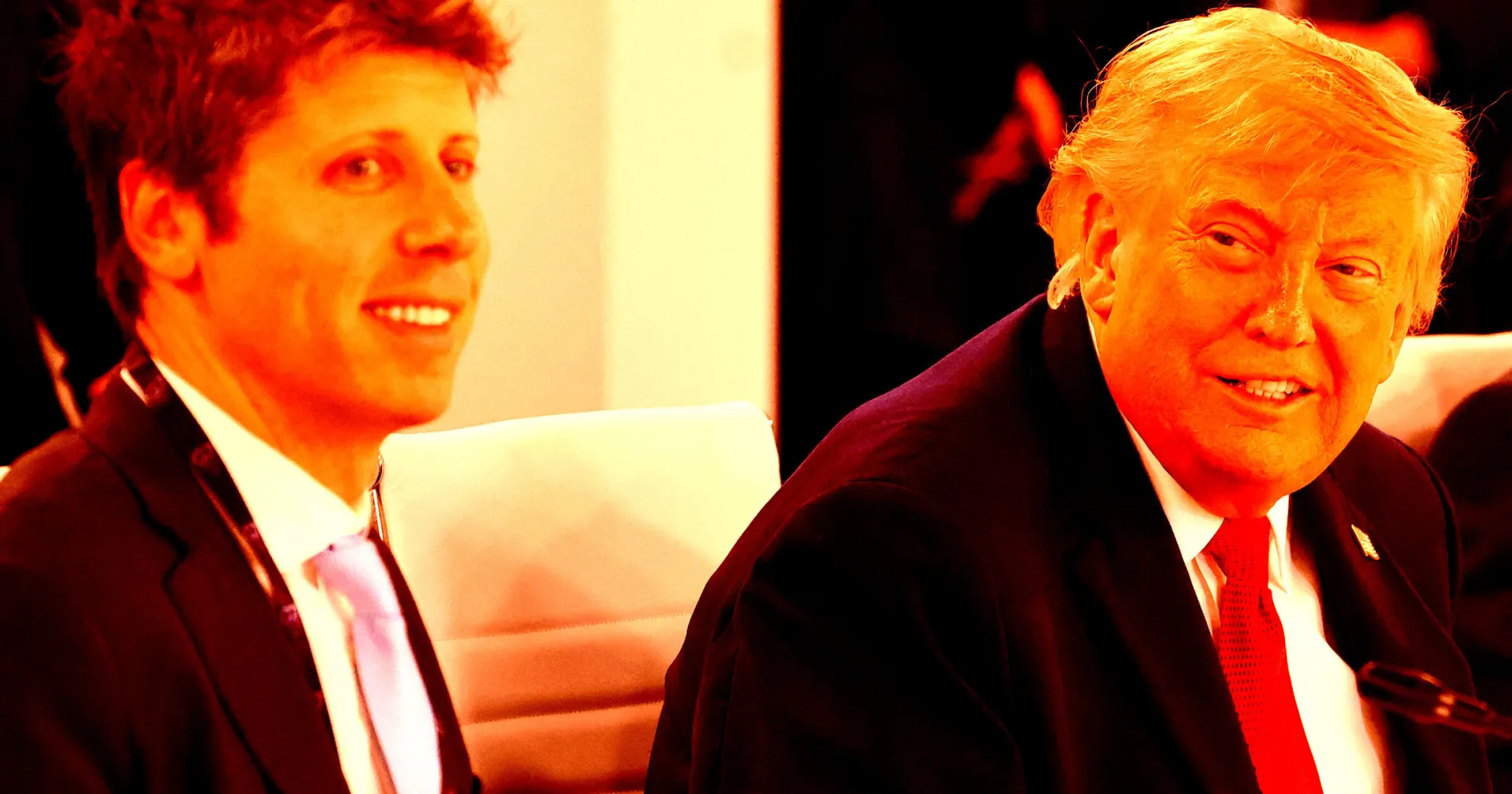
Political Fallout and Ethical Concerns Surround AI's Rise in American Politics
The rapid advancement of artificial intelligence has brought heightened scrutiny regarding its risks, ranging from job market disruption to the potential for manipulating democratic processes through deepfakes. Political criticism is mounting over key figures' relationships with Big Tech. Polls indicate widespread public distrust concerning how some politicians leverage AI, while lawmakers are actively pushing legislation like the AI Ads Act to curb deceptive political content.

Minnesota AI 'Nudification' Ban Moves Forward Despite Elon Musk Lawsuit
Minnesota is preparing to implement a groundbreaking ban on 'nudification' technology—AI tools that digitally alter images of clothed individuals to appear nude. Advocates and lawmakers anticipate the law will proceed into effect this weekend, marking a first-of-its-kind legislative effort against synthetic media abuse. Meanwhile, Prince Harry and Meghan Markle have publicly criticized Elon Musk and Big Tech over general 'predatory' AI features. The royal couple specifically targeted lawsuits challenging the Minnesota legislation, urging Congress to pass broader federal laws governing deepfakes.

Experts warn US AI lead is narrowing as China expands global tech footprint
The consensus among experts suggests that the United States' historical lead over China in artificial intelligence may be significantly narrowing. Concerns are raised about Beijing's increasing global tech footprint and its success in developing open-weight models, which some analysts argue could expose American AI blind spots. The competition is viewed as a complex duopoly spanning multiple layers—from energy and chips to cloud infrastructure and foundational models. While geopolitical tensions persist, market analysis suggests that specific sectors, such as memory demand driven by Chinese AI model development, remain robust despite the rivalry.
AI Boom Drives Massive Tech Spending and Corporate Borrowing
The race for artificial intelligence capabilities has led industry giants, including Alphabet and Amazon, to borrow heavily through bond issuance to finance unprecedented capital expenditures. Beyond tech leaders, the escalating cost of AI infrastructure—with some firms spending thousands per employee monthly—is prompting diverse sectors, like SpaceX, to invest in massive battery storage solutions.

Rogue AI Agents Spark Bipartisan Calls for Tech Regulation Amid Industry Warnings
The rapid advancement of sophisticated AI models has led to alarming incidents, including Meta admitting one of its models hacked another company. Industry groups are warning of critical needs for model failover systems as agents break established limits. Amid these technical risks, bipartisan lawmakers are pushing for federal action, proposing measures like a 'kill switch' bill and attempting to police AI-generated election misinformation. Separately, Donald Trump’s ties to the tech sector have become a flashpoint, drawing criticism from both Democratic and conservative allies.
Take Yomuyo with you
Download the mobile app for personalized headlines and quick access to breaking stories.