

Denmark Calls Snap Election Amid Greenland Standoff

Danish Prime Minister Mette Frederiksen has dissolved parliament and called a snap general election for March 24, 2026. The announcement was made in a special statement to the Folketing, where Frederiksen declared, 'It will soon be spring – and the Danes will soon be going to the polls.' While Denmark is required to hold an election every four years, the Prime Minister holds the authority to call an early vote, with the last one having been held in November 2022. The decision comes as Frederiksen's government experiences a significant boost in popularity, referred to by some observers as a 'Greenland bounce.' This surge follows a recent diplomatic standoff with the United States, specifically involving former President Donald Trump's alleged attempt to claim the Arctic territory of Greenland. Multiple sources indicate Frederiksen is betting that her firm stance on national security and the 'future of the Danish Commonwealth' will resonate with voters. Analysts from Nordea suggest the current three-party coalition government, consisting of the Social Democrats, Venstre, and the Moderates, is unlikely to remain unchanged after the vote. In her address, Frederiksen emphasized that security 'is and will remain the very foundation of Danish politics,' signaling a campaign focused on defense, European unity, and rearmament to 'ensure peace on our continent.'
Prefer swipe-first reading?
Install the app to keep reading with faster loads and a smoother mobile experience.
Sources
Announcing the decision to call early elections on 24 March, Prime Minister Frederiksen told parliament that security "is and will remain the very foundation of Danish politics for many, many years to come". "We must rearm to ensure peace on our continent," she said. "We must stick together in Europe, and we must secure the future of the Danish Commonwealth" - Denmark...
Add AP News on Google Add AP News as your preferred source to see more of our stories on Google. Share ... COPENHAGEN, Denmark (AP) — Danish Prime Minister Mette Frederiksen on Thursday called an early general election for March 24 as the country digests the recent standoff with U.S.
Denmark is required to hold a general election at least once every four years, though the prime minister has the authority to dissolve parliament and call an early vote. The most recent election was held on Nov. 1, 2022, leading to a three-party coalition government. Anadolu Agency website contains only a portion of the news ...
Danish PM calls an early election seeking ‘Greenland bounce’ | Denmark | The Guardian
Mette Frederiksen, Denmark’s ... for her election statement on Thursday. Photograph: Thomas Traasdahl/EPA ... Mette Frederiksen hopes to profit from her stand against Donald Trump’s attempt to claim the Arctic territory ... Denmark’s prime minister has called an early election to ...
Nordea’s Group Chief Economist Helge J. Pedersen notes that Prime Minister Mette Frederiksen has called a Danish parliamentary election for Tuesday, March 24. The current three-party government of the Social Democrats, Venstre and the Moderates is unlikely to remain unchanged.
Denmark PM calls snap election amid row with Trump over Greenland | South China Morning Post
Denmark’s Prime Minister Mette Frederiksen called an early election for March 24, betting a popularity boost from a stand-off with US President Donald Trump over Greenland will help secure her another term in office.
Fact Checks
Related news
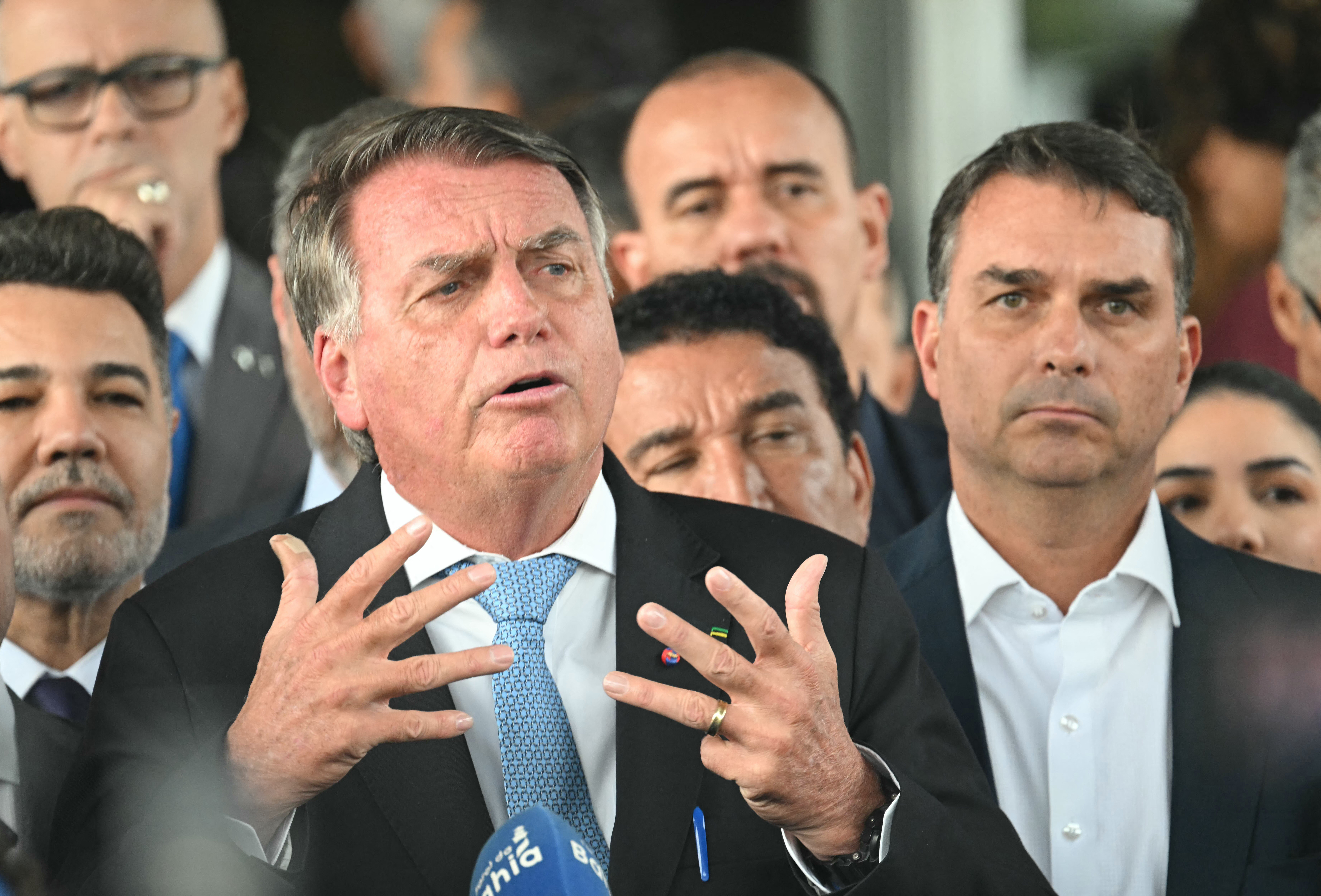
Brazilian Court Blocks Bolsonaro from Visiting Sons on Father's Day
Brazil's top court has issued a ban preventing former president Jair Bolsonaro from visiting his sons on Father's Day this Sunday. The decision enforces stricter visitation guidelines following recent legal disputes. The restrictions come after the Supreme Court ruled that the family had breached terms, with some reports noting previous actions, such as Flavio Bolsonaro reading letters online despite social media bans. Some court rulings have extended these blocks for longer periods.

IS-linked Militants Attack Congo Village; UN Imposes Sanctions on Armed Groups
An attack by militants affiliated with Islamic State-linked groups has reportedly killed at least 13 people in a village located in eastern Congo, near the border with Uganda. The region continues to face severe instability. Beyond these attacks, suspected fighters from the Allied Democratic Forces (ADF) have been active, and the UN Security Council recently imposed sanctions on leaders of various armed groups operating throughout eastern DRC.

Lionel Messi's Father and Agent, Jorge Messi, Dies at Age 68
Jorge Messi, the father and longtime agent of Argentine soccer legend Lionel Messi, died at the age of 68. Reports indicate he had been battling a long-term illness. Messi's father was instrumental in his son's career, having accompanied him to Europe when he signed with Barcelona as a teenager. He was widely recognized for his dedication and presence supporting Lionel throughout his professional life.

Solar eclipse to occur next week. Here is what to know (10 sources)
Solar eclipse to occur next week. Here is what to know (10 sources) This story has been covered by multiple news sources, providing comprehensive coverage from different perspectives. **www.npr.org** reports: Solar eclipse to occur next week. Here is what to know Solar eclipse to occur next week. Here is what to know : NPRBack ButtonSearch IconFilter Icon ### [Space](https://www.npr.org/sections/space/) Solar eclipse to occur next week. Here is what to know ====================================================== August 8, 20268:56 PM ET By [Chandelis Duster](https://www.npr.org/people/g-s1-23120/chandelis-duster) 
Democratic Socialist Francesca Hong Leads Wisconsin Governor Race Amid Scrutiny
Francesca Hong has emerged as a front-runner in the Wisconsin gubernatorial race, potentially making history as the state's first socialist governor. Her strong polling numbers position her as a significant figure in this critical battleground state. The campaign faces intense scrutiny regarding its democratic socialist platform and policy shifts, including evolving views on defunding police. Meanwhile, national Democratic figures have expressed skepticism about Hong’s electability, while others suggest alternative candidates may benefit from the primary outcome.
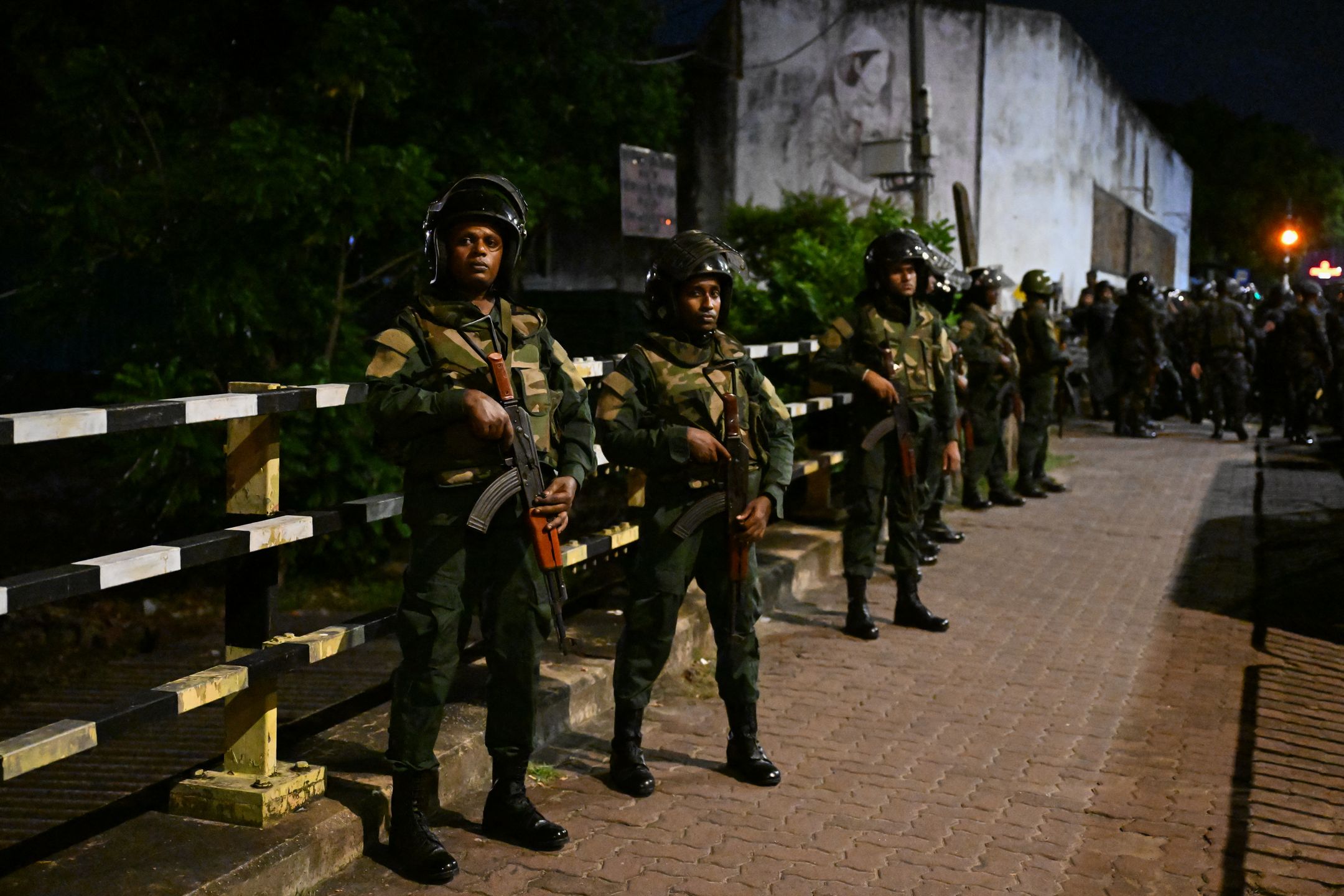
Three inmates killed in recent separate prison clashes across Sri Lanka
Sri Lanka reported that three inmates were killed and more than twenty people were injured during two separate, deadly prison clashes. The unrest has prompted the deployment of military troops to major correctional facilities, including Welikada and Magazine Prisons. Officials attribute the growing instability to severe overcrowding within the country's jail system, which is reportedly operating at capacity.
Take Yomuyo with you
Download the mobile app for personalized headlines and quick access to breaking stories.