

Trump Allocates $700 Million to Coal Plants and Export Terminal

President Trump announced a $700 million investment to bolster the U.S. coal industry, utilizing wartime powers under the Defense Production Act. The funding includes the construction of two new coal plants in Alaska and West Virginia, the extension of 12 existing plants—including the Mitchell Plant in West Virginia and a facility in Maryland—and the development of a new coal export terminal in Oakland, California. The administration frames the move as essential for "energy dominance" and lowering costs. However, critics and experts have challenged the president's description of coal as "clean," warning that the revival of coal-fired power could lead to increased health risks and higher long-term energy costs.
Prefer swipe-first reading?
Install the app to keep reading with faster loads and a smoother mobile experience.
Sources
Trump Funds Two New Coal Plants and Extends Another Dozen, Citing ‘Energy Dominance’ - Inside Climate News
Perhaps you noticed: This story, like all the news we publish, is free to read. That’s because Inside Climate News is a 501c3 nonprofit organization. We do not charge a subscription fee, lock our news behind a paywall, or clutter our website with ads.
Trump uses wartime powers to dole out $700m to ‘clean, beautiful’ coal | Donald Trump | The Guardian
US president announces plans for two new coal plants, in Alaska and West Virginia, using Defense Production Act ... Donald Trump is using wartime presidential authority to hand $700m to coal-fired power plants in the US, the latest move by the president to bolster what he called “clean, beautiful ...
Interior Secretary Doug Burgum speaks as President Donald Trump, foreground, and from left, Energy Secretary Chris Wright and Environmental Protection Agency administrator Lee Zeldin, listen at an event about coal, Thursday, June 4, 2026, in the Oval Office of the White House in Washington. (AP Photo/Julia Demaree Nikhinson) Add AP News on Google Add AP News as your preferred source to see more of our stories on Google. Share ... The coal-burning TransAlta power plant ...
Trump announces $700 million investment in coal plants and California export terminal - CBS News
Sara Cook is a White House producer ... for CBS News. She has covered three presidential campaigns and the Obama, Biden, and Trump administrations. Read Full Bio ... The U.S. is stepping up its investment in coal as President Trump doubles down on his commitment to bolster the fossil fuel industry. During an event on Thursday, Mr. Trump announced that his administration would commit $700 million in funding for coal plants and a new ...
3 Unstoppable Energy Stocks on Washington's Short List as Trump Rewrites U.S. Oil and Gas Strategy - The Globe and Mail
Buying ExxonMobil isn't just a gamble on oil prices anymore. It is a bet on sustained U.S. energy dominance and favorable Washington policies. When President Trump signed the "Unleashing American Energy" executive order in early 2025, it ended the Biden-era pause on LNG export approvals.
President Donald Trump said Thursday that without energy dominance, the United States “can’t win” after he announced $700 million in funding to bolster America’s coal industry. When asked by Breitbart News about the importance of dominating different forms of energy production, whether ...
Fact Checks
Related news

Underground Gases and Climate Swings Linked to Ancient Mass Extinctions
Scientists propose that volatile gases emanating from deep within the earth could be responsible for extreme climate shifts leading to ancient mass extinctions. This theory draws parallels between geological upheaval and major biological crises spanning hundreds of millions of years. Furthermore, research exploring gas shales has revealed unique ecosystems, including rock-eating fungi and tardigrades, suggesting that life continues to adapt in extreme environments. These findings underscore the deep connection between planetary geochemistry, climate stability, and biodiversity.

Data Center Backlash Intensifies Amid Energy Concerns and Local Opposition
A growing wave of opposition is targeting the rapid development of data centers across multiple states, driven by concerns regarding massive energy consumption, water usage, and potential damage to local communities. The debate remains highly polarized: while activists organize protests and file lawsuits demanding moratoria or stricter zoning (Pennsylvania, Oregon), industry proponents argue that these facilities are essential infrastructure for modern life, citing the necessity of AI and digital services.
Planned Amazon data center could become the biggest climate polluter i (10 sources)
Planned Amazon data center could become the biggest climate polluter i (10 sources) This story has been covered by multiple news sources, providing comprehensive coverage from different perspectives. **www.msn.com** reports: Planned Amazon data center could become the biggest climate polluter in the US Planned Amazon data center could become the biggest climate polluter in the US ; **www.yahoo.com** reports: Amazon’s Data Center Construction is Making Life Across the Street Unlivable, According to a Virginia Homeowner When it comes to data centers, there are tons of cases growing ever more serious around the country, uniting under a single ... **www.omanobserver.om** reports: New Amazon data center stokes worry in the US Amazon is investing in a large-scale natural-gas-burning power…
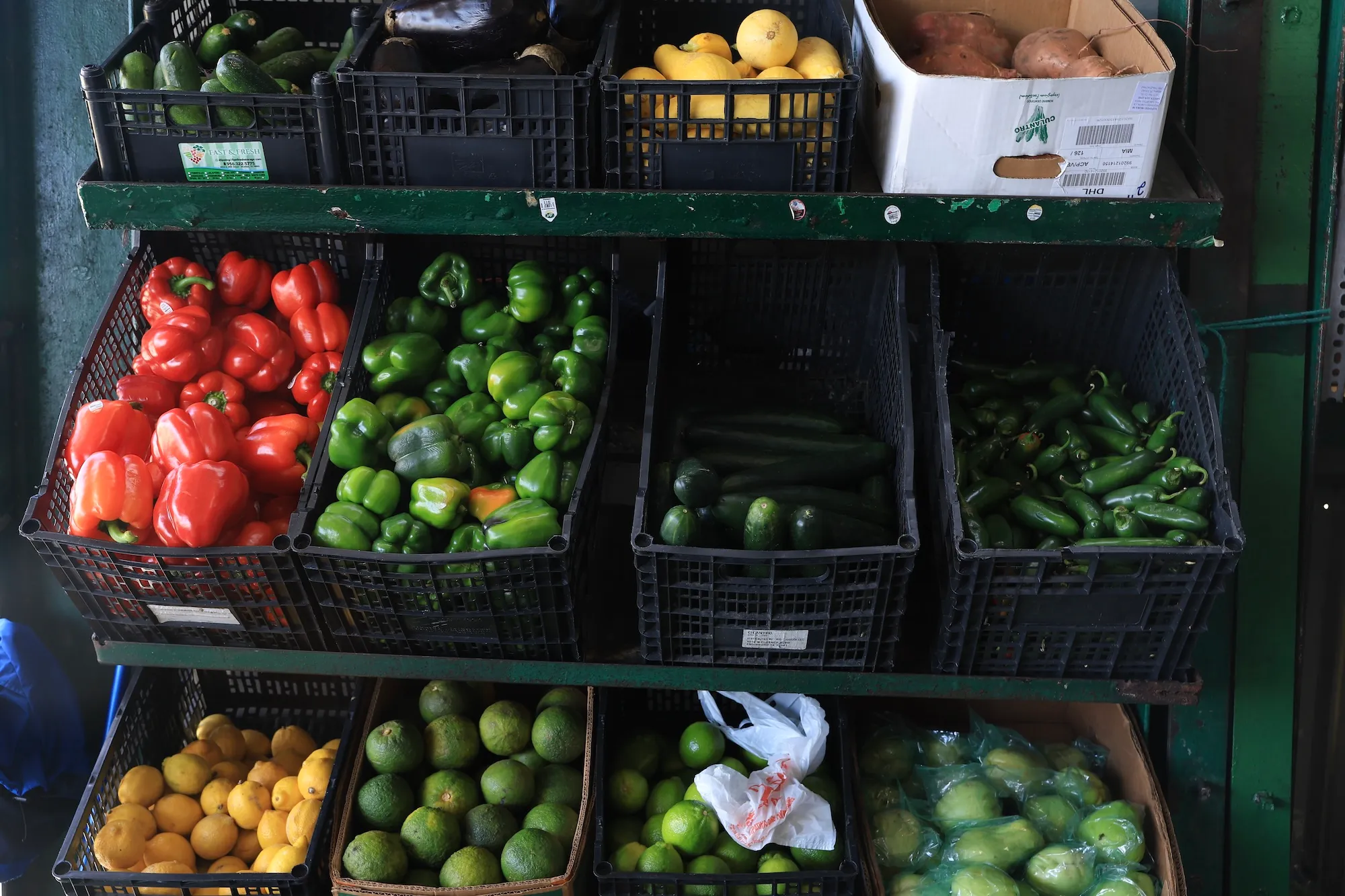
Optimizing Your Plate: A Guide to Seasonal Eating and Shopping at Farmers Markets
Following a seasonal produce guide is key to improving diet quality and sustainability. By prioritizing what your region grows naturally, consumers can access peak flavor and nutrition that often degrades when produce travels long distances. Beyond knowing what's in season, maximizing the farmer’s market experience requires smart shopping techniques—from early-bird picking to utilizing vendor deals—to ensure fresh finds last until the end of the week.

Detroit Officials Criticized for Language Access Gaps During Recent Emergencies
A statewide immigrant rights group criticized the City of Detroit after discovering multiple instances where official emergency announcements—such as those concerning hazardous smoke or extreme heat—were not translated for non-English speakers. The failure highlights gaps in mandated language access services meant to protect vulnerable populations. Meanwhile, local resources like the All Saints Literacy Center continue to provide vital one-on-one English instruction and support to Detroit's immigrant community.

Experts Warn Climate Change Will Worsen Foodborne Illnesses and Global Health Risks
Climate change poses a growing threat to global public health, intensifying risks from specific pathogens and complicating international responses. Beyond localized issues like worsening Cyclospora outbreaks in summer produce, the World Health Organization (WHO) has launched initiatives to map and strengthen knowledge regarding the health consequences of climate-related migration and displacement.
Take Yomuyo with you
Download the mobile app for personalized headlines and quick access to breaking stories.