

Gulf Banks Show Resilience Amid War, But Economic and Security Risks Mount
Gulf Cooperation Council (GCC) banks have demonstrated initial resilience in the face of escalating regional conflict, with major credit agencies like S&P Global noting their stable operations. This stability is underpinned by robust financial buffers, sovereign backing, and the swift activation of business continuity plans, which include remote working and adjustments to branch services. Global and regional investment banks have largely maintained their operations in key financial hubs such as Dubai, Abu Dhabi, and Riyadh, signaling confidence in the short-term containment of risks. Despite this operational steadiness, significant threats loom on the horizon. Analysts warn that a prolonged conflict poses severe risks to asset quality and could trigger capital outflows. The economic fallout could be substantial, with Goldman Sachs projecting potential GDP contractions of up to 14% for nations like Qatar and Kuwait if oil flows through the Strait of Hormuz are disrupted for an extended period. Such a scenario would inevitably pressure the banking sector. The conflict is also testing the GCC's hub model for multinational corporations, disrupting the regional connectivity infrastructure. In response to heightened security threats, global financial institutions with operations in the Gulf are tightening their security protocols, reflecting growing concerns that the conflict could directly impact banking infrastructure and personnel safety. In summary, while the GCC banking sector's strong fundamentals provide a crucial shield against immediate shocks, its long-term outlook is clouded by the dual pressures of potential deep economic recession and escalating security risks. The region's famed resilience, built on diversified economies and vast fiscal reserves, faces a formidable test as the geopolitical situation evolves.
Prefer swipe-first reading?
Install the app to keep reading with faster loads and a smoother mobile experience.
Sources
Gulf banks withstand war shock, but asset quality risks loom, says S&P - Times Kuwait
A recent analysis by S&P Global Ratings found that Gulf banks have so far managed to maintain stable operations despite regional tensions, supported by effective business continuity plans. While the risk of capital outflows remains contained in the short term, the agency cautioned that the ...
Qatar and Kuwait could each see their gross domestic product contract by 14% this year should the conflict continue through to the end of April, which would mean a two-month effective halt in oil and natural flows through the Strait of Hormuz, according to Goldman Sachs Group Inc. economist ...
Gulf banks resilient for now, but prolonged conflict raises risks: S&P Global | Arab News PK
RIYADH: Banks operating in the Gulf region are expected to remain resilient in the short term due to strong financial buffers, even as the Middle East grapples with heightened geopolitical tensions, according to an analysis. In its latest report, S&P Global warned that prolonged disruptions ...
Middle East news: HSBC makes bold GCC prediction as Iran vs US-Israel war rattles markets and oil prices surge - The Times of India
According to analysts and banking officials, the GCC’s diversified economies, fiscal reserves, and ongoing investment in financial hubs such as Dubai, Abu Dhabi and Riyadh make them relatively resilient compared with many other regions facing geopolitical shocks.
ZAWYA-NEWS: Investment banks in GCC continue operations, weighing on capital market outlook — TradingView News
Seban ScariaAs the war between Iran, Israel and the US continues into its second week, investment banks in the GCC, which had expanded over the past 24 months amid a flurry of DCM and ECM deals, have signalled that they are maintaining their local operations.On Tuesday, Iran’s Islamic ...
Gulf banks resilient for now, but prolonged conflict raises risks: S&P Global | Arab News PK
RIYADH: Banks operating in the Gulf region are expected to remain resilient in the short term due to strong financial buffers, even as the Middle East grapples with heightened geopolitical tensions, according to an analysis. In its latest report, S&P Global warned that prolonged disruptions ...
Gulf banks remain resilient but face pressure as war risks cloud outlook, S&P says - Arabian Business: Latest News on the Middle East, Real Estate, Finance, and More
Banks across the Gulf Cooperation Council have activated business continuity plans, including remote working arrangements and reduced branch operations, while maintaining core services
Fact Checks
Related news
Treasury Deficits and Borrowing Concerns Highlight Massive Shortfall Risks
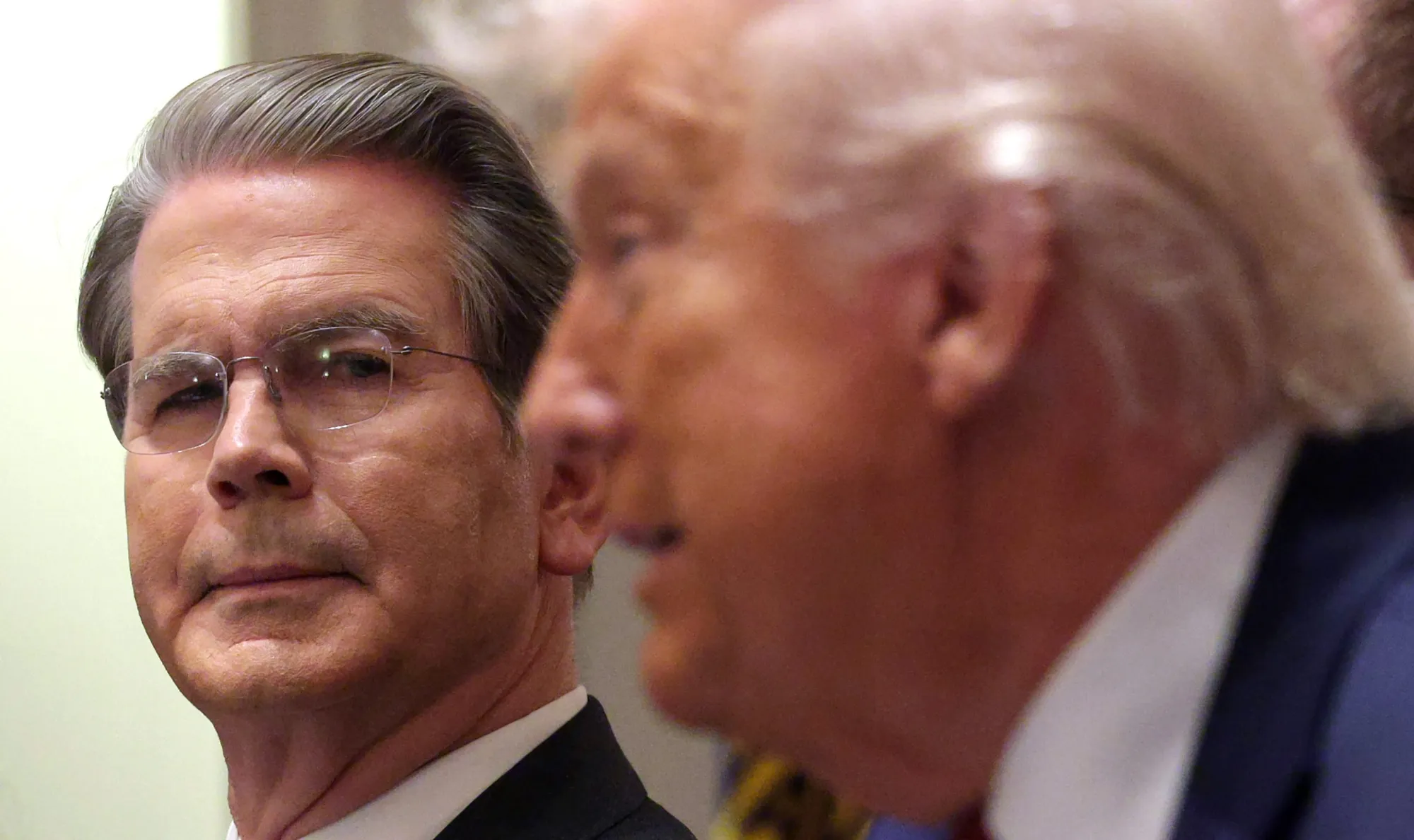
Concerns regarding massive government deficits persist, with some analyses suggesting the U.S. Treasury may need to borrow an additional $1.45 trillion over the next few years. These warnings stem from internal financial advisory committees and political reporting, highlighting how complex financial engineering has been used to manage large outstanding debts. While one regional report noted a specific country cutting domestic borrowing targets to ease credit risk, the primary focus remains on the scale of anticipated federal shortfalls.

T-Mobile Overhauls Financing Plans, Introducing New 36-Month Options for Phone Upgrades
T-Mobile has announced significant changes to its service structure, introducing new wireless plans built around lower initial costs and extended 36-month device financing options for customers. The move allows consumers to potentially get devices with $0 upfront payments. However, industry observers note that while these plans increase affordability, they also extend the duration of customer commitment, following the removal of previous 'better value' offerings.
Solana's Tokenized Assets Surge as Major Stocks and TradFi Interest Drive Record Volume
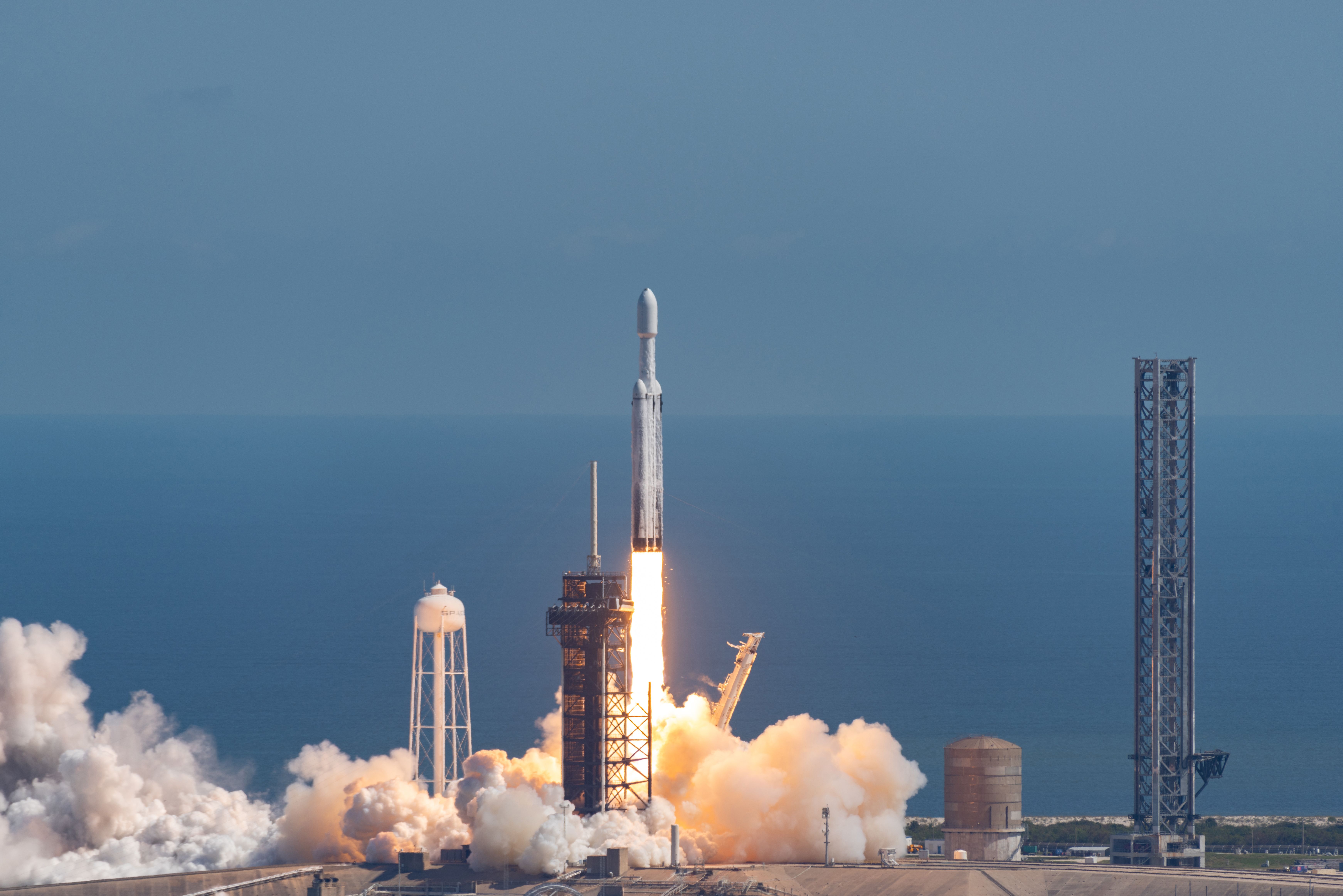
Solana's market activity reached new heights last quarter, reporting $5.8 billion in tokenized equity trading volume. This significant growth was largely fueled by major listings, including the record-breaking SpaceX IPO. The platform is attracting both entertainment and institutional capital, highlighted by the launch of a tokenized Take-Two Interactive (GTA 6 publisher) stock. Industry experts suggest that structured products like perpetual futures are key to migrating traditional finance assets onto the blockchain.

Public Sector Workforce Faces Dual Challenge of Talent Shortages and Modernization
Government agencies are undergoing significant technological overhauls, building connected digital systems to improve mission efficiency and productivity across the workforce. However, this modernization effort coincides with deep labor challenges. Workers face reports of 'third world' conditions in some areas, while simultaneously, technical fields struggle with a dire shortage of skilled workers retiring out of the job market.
Zebulon Finance Director Retires Weeks After State Audit Finds Financial Oversight Issues
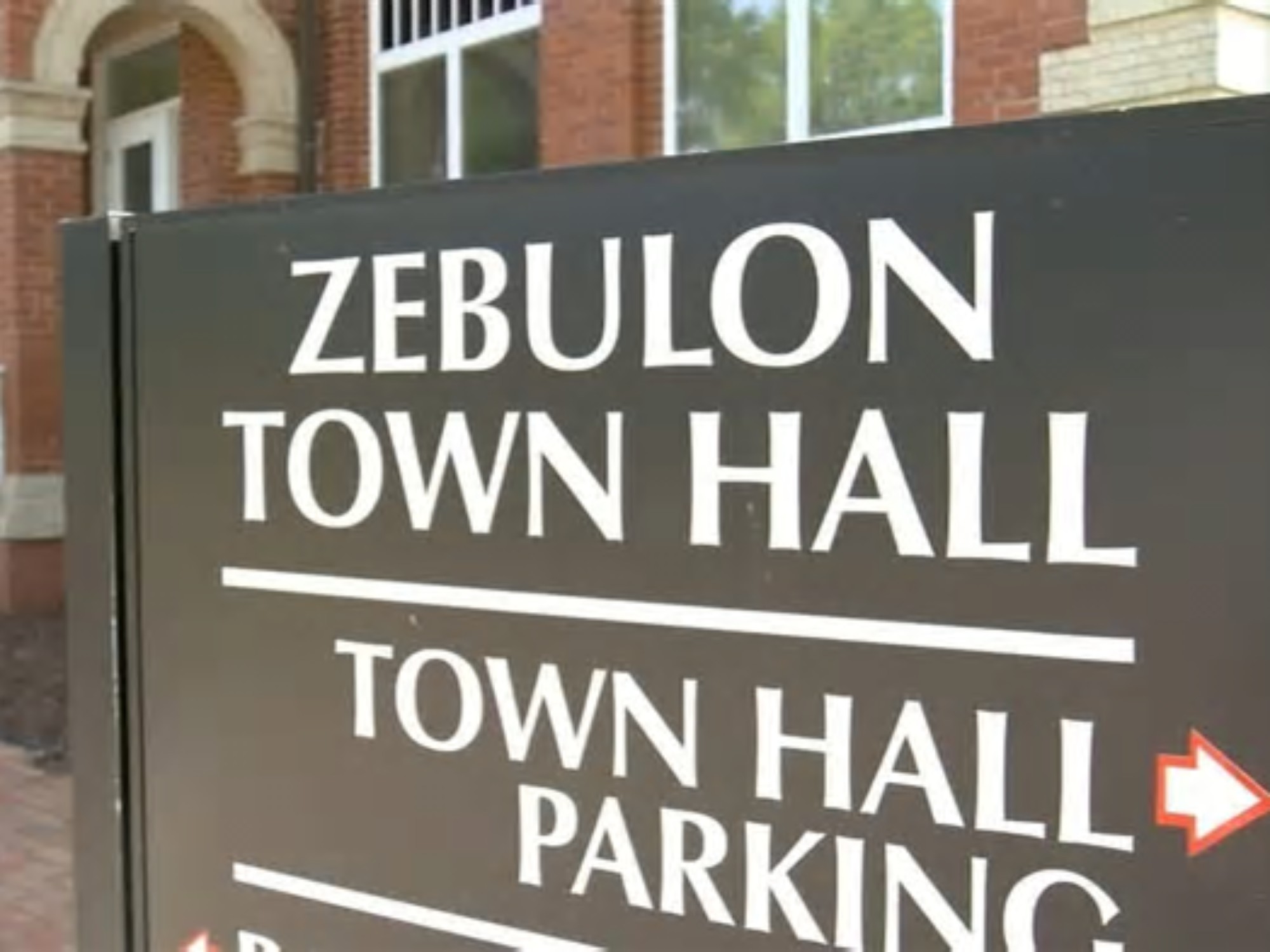
A state auditor's report detailing serious financial mismanagement prompted the retirement of Zebulon’s finance director. The findings highlighted critical lapses in financial oversight within the eastern Wake County town. The audit specifically noted issues such as duplicate payments and inadequate record-keeping, prompting the auditor's office to call for immediate security improvements. Town officials acknowledged the report's findings, admitting to the seriousness of the documented financial problems.
Lawmakers Cite Senate Report Finding Wall Street Banks Enabled Epstein's Trafficking Operation
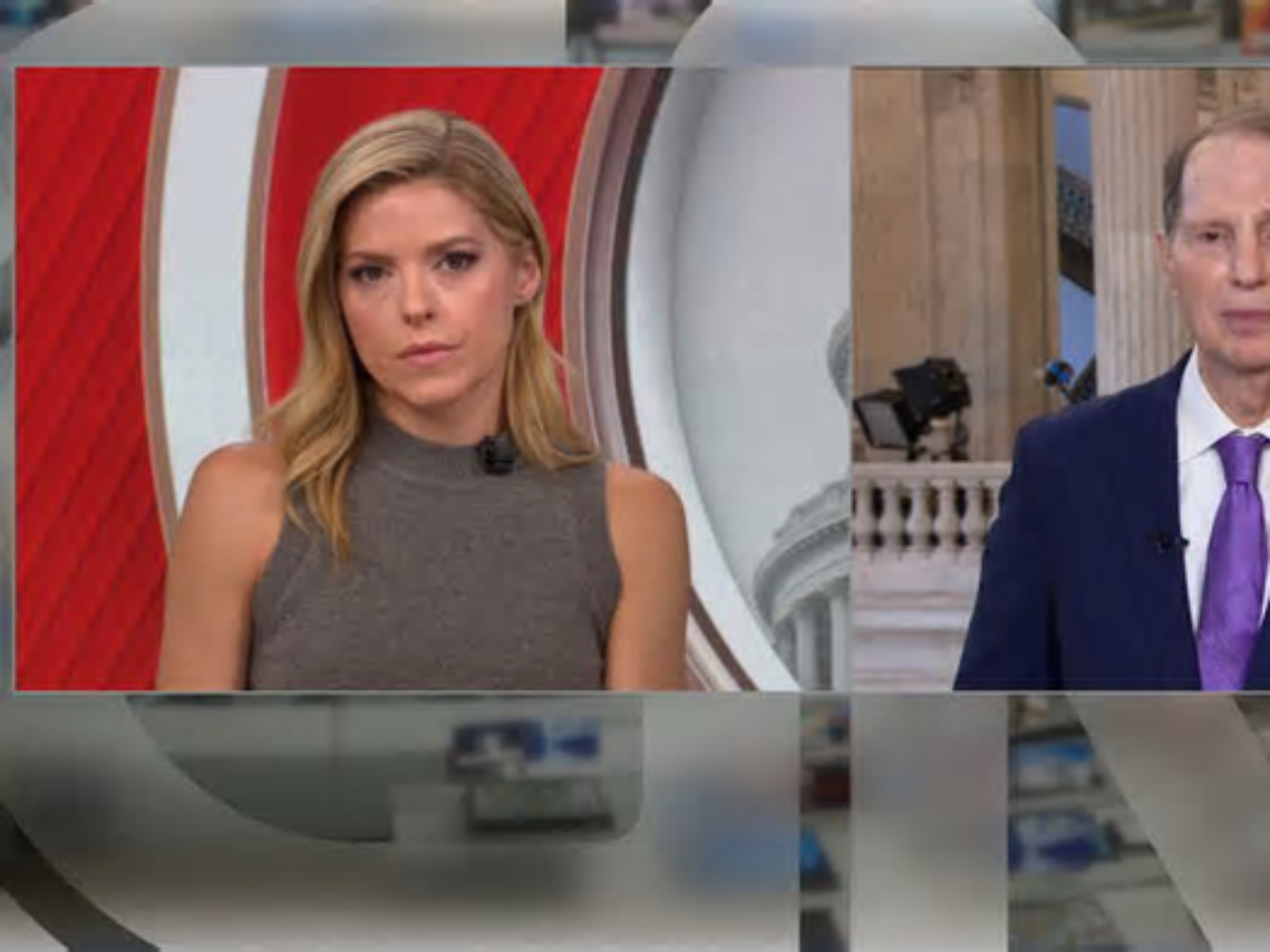
Democrats on the Senate Finance Committee released a report concluding that prominent Wall Street institutions enabled Jeffrey Epstein's alleged sex trafficking ring. The findings detail how billions of dollars moved through these major banks over two decades, often involving unexplained cash withdrawals. Amid ongoing investigations and subpoenas in New Mexico, Senator Ron Wyden has claimed that media outlets, specifically CBS, are suppressing crucial information regarding the banks’ dealings with Epstein. These reports suggest a continued effort to obscure the full scope of financial complicity.
Take Yomuyo with you
Download the mobile app for personalized headlines and quick access to breaking stories.