

Iran Moves to Close Strait of Hormuz Following US-Israeli Strikes

Tensions in the Middle East have escalated dramatically as Iran moves to restrict traffic through the Strait of Hormuz following coordinated U.S. and Israeli strikes on Iranian targets. The strategic waterway, which handles approximately 20% of the world's oil shipments, has become the focal point of potential supply disruptions that could reverberate through global energy markets. According to multiple reports, vessels operating in the Mideast Gulf have received radio transmissions stating that the strait has been closed, with the UK Maritime Trade Operations agency confirming these communications. While some analysts question whether Iran's closure threat represents genuine capability or strategic posturing, energy markets are already reacting nervously. Oil prices have shown volatility as traders weigh the possibility of significant supply constraints affecting one of the world's most critical shipping lanes. The situation remains fluid as experts assess potential scenarios. Iran, as OPEC's fourth-largest producer, holds significant leverage over global oil supplies both through its own production and its control over the Strait of Hormuz. Market analysts are bracing for potential supply shocks that could impact everything from gasoline prices to broader economic stability, particularly if tensions escalate further or the closure extends beyond initial warnings.
Prefer swipe-first reading?
Install the app to keep reading with faster loads and a smoother mobile experience.
Sources
Oil tankers are avoiding the Strait of Hormuz—a strategic Middle Eastern shipping route often used for exporting oil—following U.S. and Israeli strikes in Iran Saturday and Iran’s retaliatory strikes in nearby countries, according to Bloomberg.
Oil markets on edge as Iran moves to restrict vital Strait of Hormuz shipping lane, report says
©2026 FOX News Network, LLC. All rights reserved. FAQ - New Privacy Policy ... President Donald Trump addresses the American people after strikes by the U.S. and Israel on Iran. Iran has reportedly moved to restrict navigation along the world's most critical oil export route after major U.S.
The main reason oil markets are nervous about U.S. strikes relates to how Iran might respond, says Raad Alkadiri, a managing partner at 3TEN32 Associates, a political risk consultancy. "The issue will be sort of what that does in the longer term and the potential spillover effects," Alkadiri says. Iran controls the Strait of Hormuz, a vital shipping ...
Iran's move to close the Strait of Hormuz heightens tensions in the Gulf, impacting global energy markets as the strategic waterway is crucial for oil exports. Discover the implications of this development following US and Israeli strikes.
Fact Checks
Related news
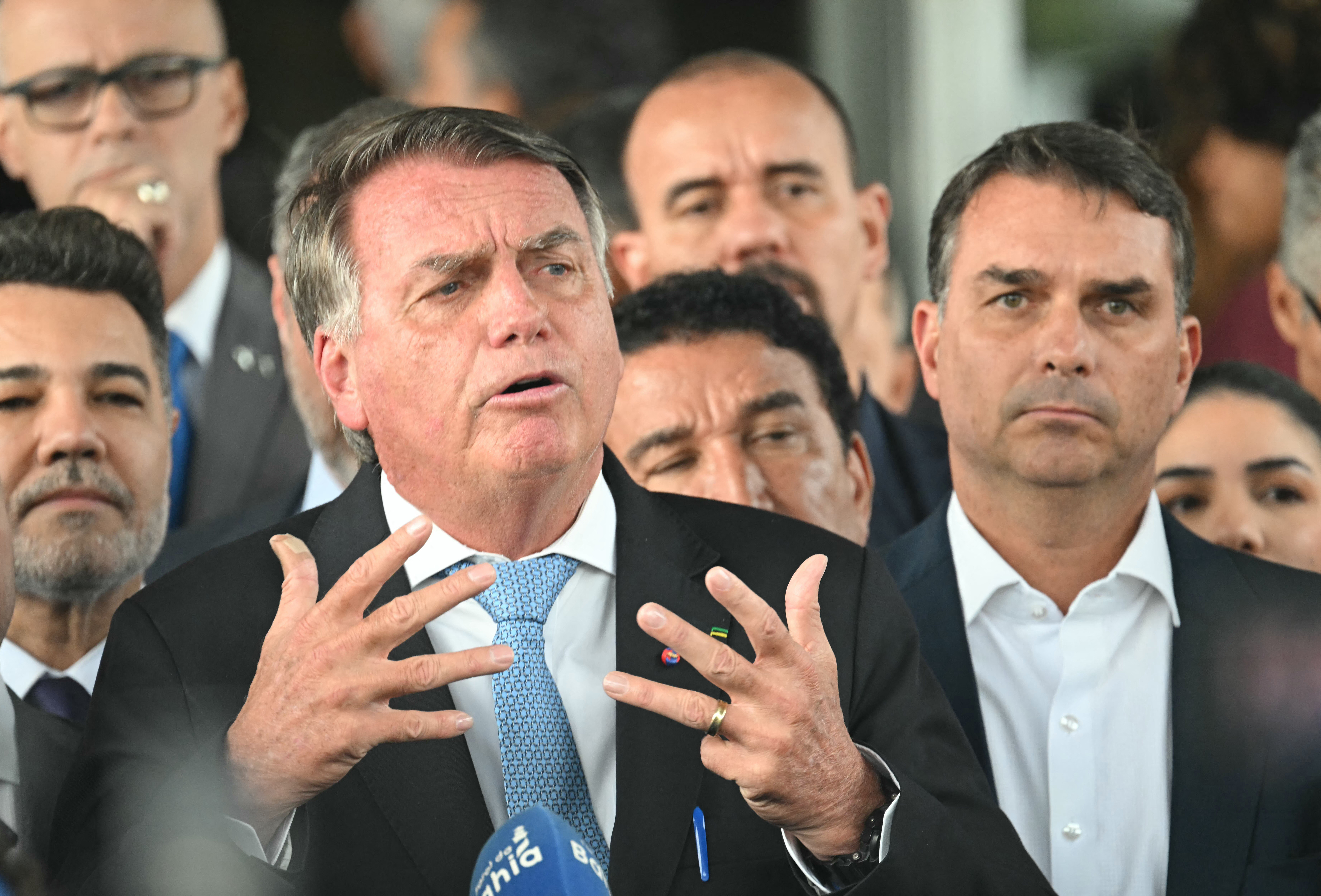
Brazilian Court Blocks Bolsonaro from Visiting Sons on Father's Day
Brazil's top court has issued a ban preventing former president Jair Bolsonaro from visiting his sons on Father's Day this Sunday. The decision enforces stricter visitation guidelines following recent legal disputes. The restrictions come after the Supreme Court ruled that the family had breached terms, with some reports noting previous actions, such as Flavio Bolsonaro reading letters online despite social media bans. Some court rulings have extended these blocks for longer periods.

IS-linked Militants Attack Congo Village; UN Imposes Sanctions on Armed Groups
An attack by militants affiliated with Islamic State-linked groups has reportedly killed at least 13 people in a village located in eastern Congo, near the border with Uganda. The region continues to face severe instability. Beyond these attacks, suspected fighters from the Allied Democratic Forces (ADF) have been active, and the UN Security Council recently imposed sanctions on leaders of various armed groups operating throughout eastern DRC.

Lionel Messi's Father and Agent, Jorge Messi, Dies at Age 68
Jorge Messi, the father and longtime agent of Argentine soccer legend Lionel Messi, died at the age of 68. Reports indicate he had been battling a long-term illness. Messi's father was instrumental in his son's career, having accompanied him to Europe when he signed with Barcelona as a teenager. He was widely recognized for his dedication and presence supporting Lionel throughout his professional life.

Solar eclipse to occur next week. Here is what to know (10 sources)
Solar eclipse to occur next week. Here is what to know (10 sources) This story has been covered by multiple news sources, providing comprehensive coverage from different perspectives. **www.npr.org** reports: Solar eclipse to occur next week. Here is what to know Solar eclipse to occur next week. Here is what to know : NPRBack ButtonSearch IconFilter Icon ### [Space](https://www.npr.org/sections/space/) Solar eclipse to occur next week. Here is what to know ====================================================== August 8, 20268:56 PM ET By [Chandelis Duster](https://www.npr.org/people/g-s1-23120/chandelis-duster) 
Democratic Socialist Francesca Hong Leads Wisconsin Governor Race Amid Scrutiny
Francesca Hong has emerged as a front-runner in the Wisconsin gubernatorial race, potentially making history as the state's first socialist governor. Her strong polling numbers position her as a significant figure in this critical battleground state. The campaign faces intense scrutiny regarding its democratic socialist platform and policy shifts, including evolving views on defunding police. Meanwhile, national Democratic figures have expressed skepticism about Hong’s electability, while others suggest alternative candidates may benefit from the primary outcome.
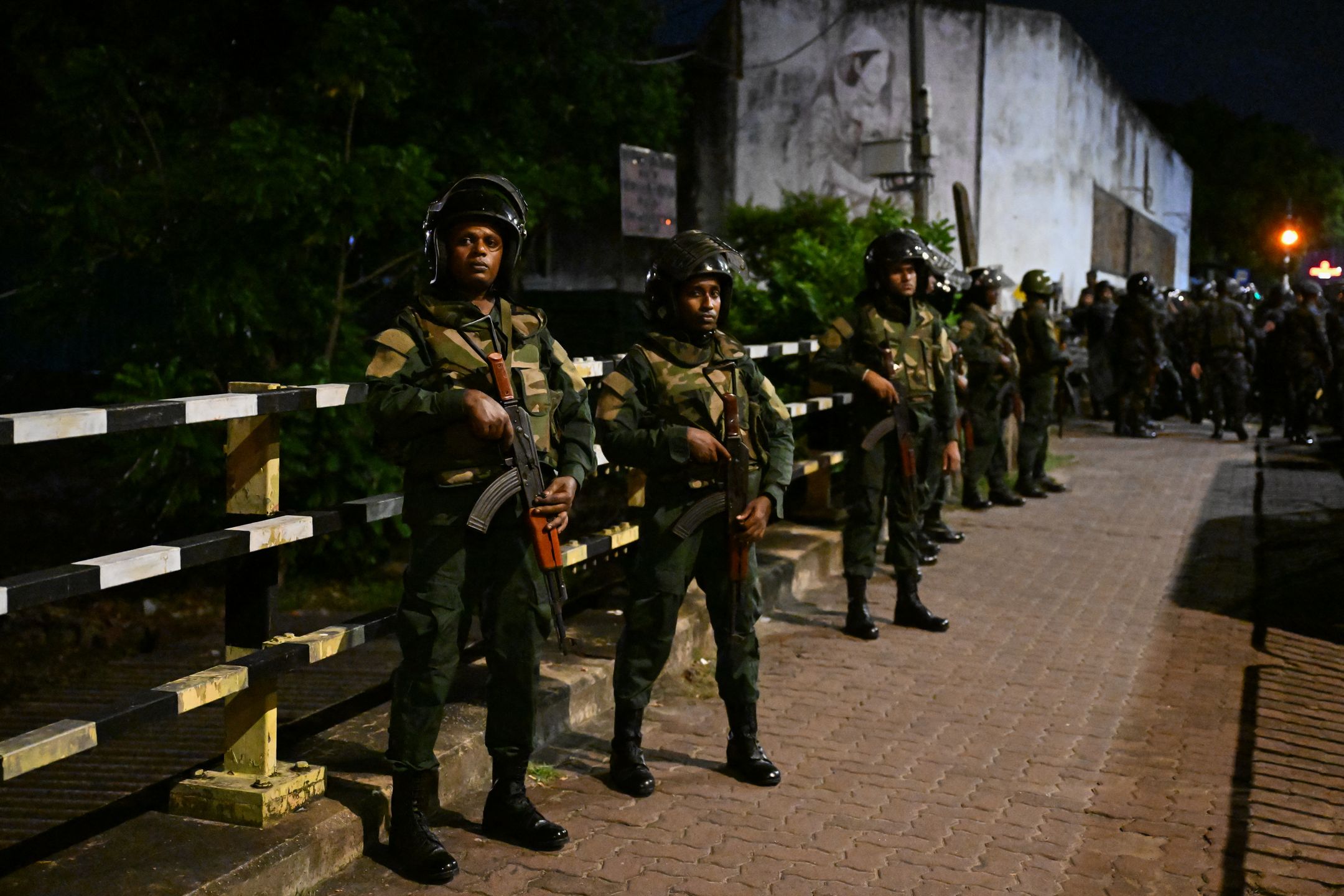
Three inmates killed in recent separate prison clashes across Sri Lanka
Sri Lanka reported that three inmates were killed and more than twenty people were injured during two separate, deadly prison clashes. The unrest has prompted the deployment of military troops to major correctional facilities, including Welikada and Magazine Prisons. Officials attribute the growing instability to severe overcrowding within the country's jail system, which is reportedly operating at capacity.
Take Yomuyo with you
Download the mobile app for personalized headlines and quick access to breaking stories.