

UN Warns Global Temperatures Likely to Hit Record Levels by 2030

The United Nations and the World Meteorological Organization warn that the Earth is entering a period of dangerous heat, with global temperatures expected to stay at or near record levels through 2030. Projections indicate a high probability that the world will experience its warmest year ever within this window, with some estimates placing the likelihood of hitting new records between 75% and 86%. This acceleration of human-caused climate change is expected to drive increased rainfall and unprecedented heat across land and sea. The report highlights critical environmental shifts, such as shrinking Arctic sea ice, while officials like Simon Stiell emphasize that the planet is likely to repeatedly surge past internationally agreed-upon safety thresholds for warming.
Prefer swipe-first reading?
Install the app to keep reading with faster loads and a smoother mobile experience.
Sources
The Associated Press’ climate and environmental coverage receives financial support from multiple private foundations. AP is solely responsible for all content. Find AP’s standards for working with philanthropies, a list of supporters and funded coverage areas at AP.org. ... NEWSLETTERS WATCH ...
The world is heading into another period of dangerous heat, a new UN report warns on Thursday, and it’s nearly certain global temperatures over the next five years will stay “at or near record levels” as climate change accelerates across land and sea.
In the next five years, the Earth is overwhelmingly likely to surge again and again past the international climate threshold set as safe and shatter its hottest-year record along the way, according to new United Nations climate projections.
Arctic sea ice shrank to tie its lowest winter level as unprecedented heat shatters records globally ... Supreme Court agrees to hear arguments from oil and gas companies trying to block climate change lawsuits ... Subscribe to Here’s the Deal, our politics newsletter for analysis you won’t ...
See more of our trusted coverage when you search.Prefer Newsweek on Googleto see more of our trusted coverage when you search. A new report from the United Nations and the World Meteorological Organization in the United Kingdom warns that human‑caused climate change will continue driving higher temperatures and increased rainfall over the next several years. The report finds an 80 percent likelihood that Earth’s temperature will hit new record ...
Hottest year on record almost certain to occur by end of 2030, UN warns | Climate Crisis News | Al Jazeera
The warning comes as parts of Western ... breaking the country’s record for the hottest May temperature for a second consecutive day. Such temperatures are considered high by UK standards in mid-summer, let alone spring. On Wednesday, the UN’s climate chief, Simon Stiell, said ...
Temperatures likely to remain at record levels in 2026-2030: UN - The Economic Times
Global average temperatures are likely to continue at or near record levels this year and for the next four years afterwards, the United Nations warned Thursday. "Global average temperatures are likely to continue at or near record levels in the next five years," the agency said.
Hottest Year Ever Recorded Set to Arrive by 2030, Warns New UN Report | Common Dreams
World almost certain to endure record hot year by 2030, UN warns | Climate crisis | The Guardian › ... Brad Reed is a staff writer for Common Dreams. Global temperates are likely to hit their highest average level ever within the next four years, according to a report published Thursday by the United Nations' World Meteorological Organization. Overall, WMO's report projects an 86% chance that the world will experience its warmest ...
Fact Checks
Related news
Underground Gases and Climate Swings Linked to Ancient Mass Extinctions
Scientists propose that volatile gases emanating from deep within the earth could be responsible for extreme climate shifts leading to ancient mass extinctions. This theory draws parallels between geological upheaval and major biological crises spanning hundreds of millions of years. Furthermore, research exploring gas shales has revealed unique ecosystems, including rock-eating fungi and tardigrades, suggesting that life continues to adapt in extreme environments. These findings underscore the deep connection between planetary geochemistry, climate stability, and biodiversity.

Data Center Backlash Intensifies Amid Energy Concerns and Local Opposition
A growing wave of opposition is targeting the rapid development of data centers across multiple states, driven by concerns regarding massive energy consumption, water usage, and potential damage to local communities. The debate remains highly polarized: while activists organize protests and file lawsuits demanding moratoria or stricter zoning (Pennsylvania, Oregon), industry proponents argue that these facilities are essential infrastructure for modern life, citing the necessity of AI and digital services.
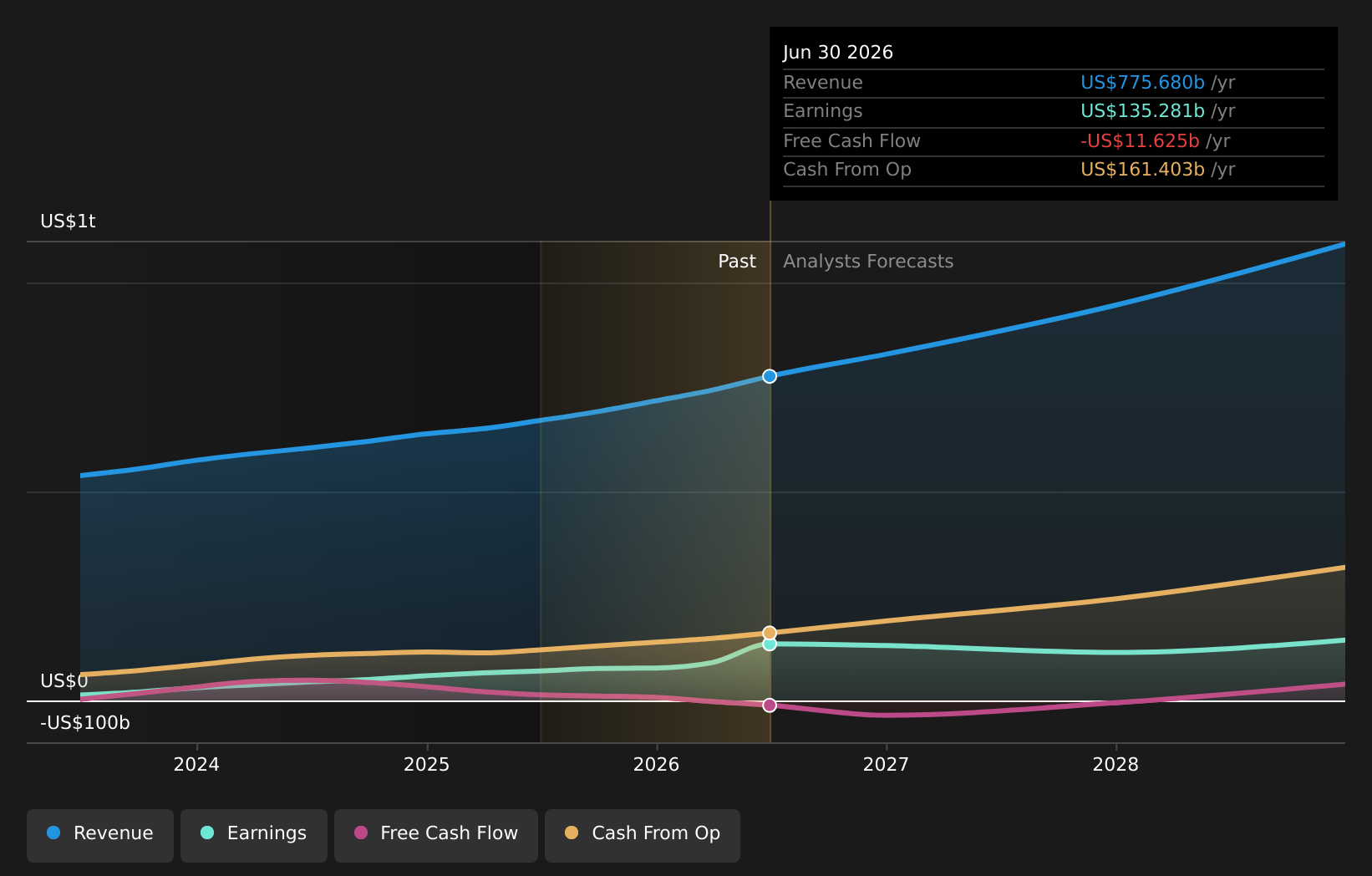
Planned Amazon data center could become the biggest climate polluter i (10 sources)
Planned Amazon data center could become the biggest climate polluter i (10 sources) This story has been covered by multiple news sources, providing comprehensive coverage from different perspectives. **www.msn.com** reports: Planned Amazon data center could become the biggest climate polluter in the US Planned Amazon data center could become the biggest climate polluter in the US ; **www.yahoo.com** reports: Amazon’s Data Center Construction is Making Life Across the Street Unlivable, According to a Virginia Homeowner When it comes to data centers, there are tons of cases growing ever more serious around the country, uniting under a single ... **www.omanobserver.om** reports: New Amazon data center stokes worry in the US Amazon is investing in a large-scale natural-gas-burning power…
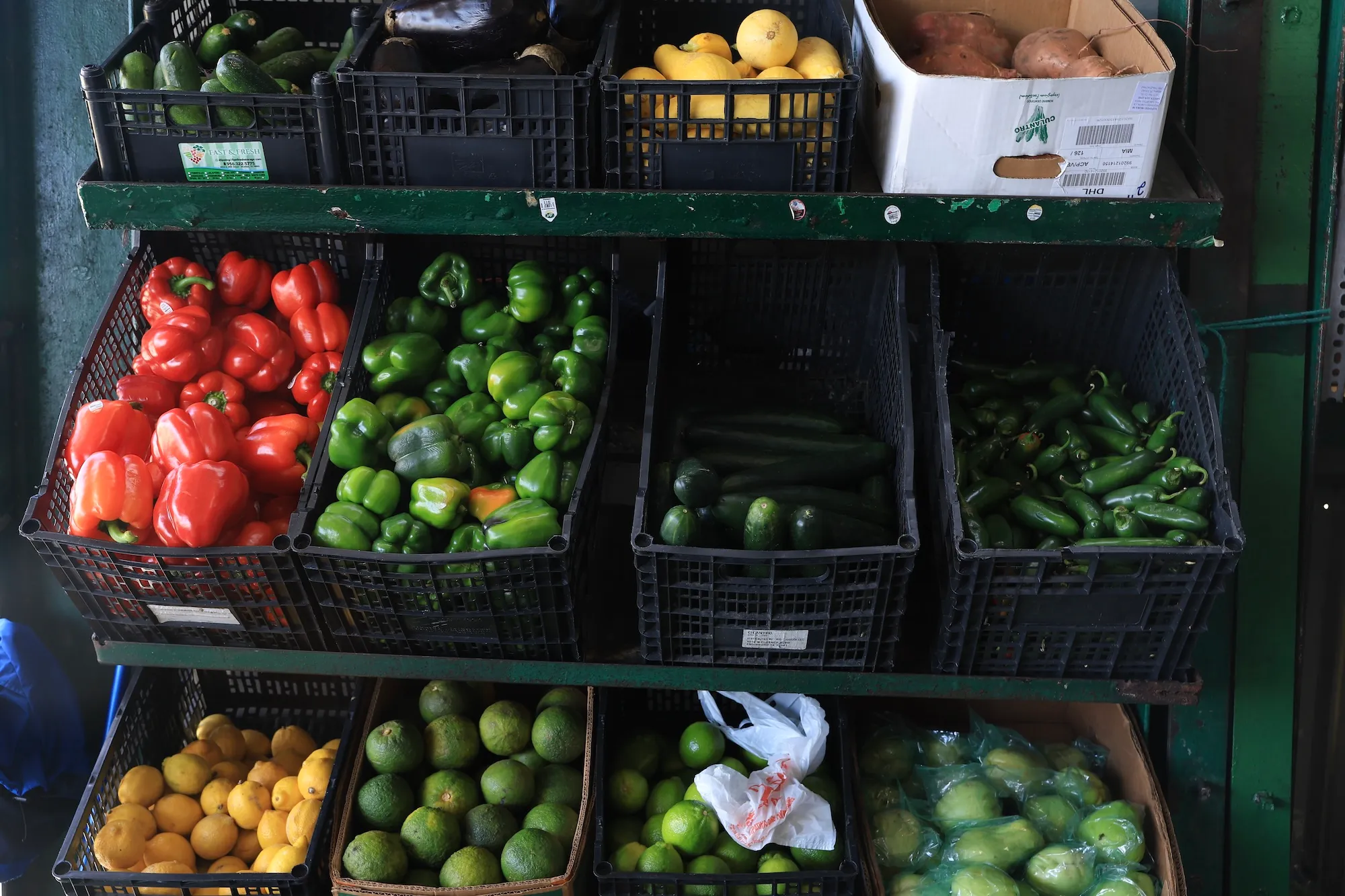
Optimizing Your Plate: A Guide to Seasonal Eating and Shopping at Farmers Markets
Following a seasonal produce guide is key to improving diet quality and sustainability. By prioritizing what your region grows naturally, consumers can access peak flavor and nutrition that often degrades when produce travels long distances. Beyond knowing what's in season, maximizing the farmer’s market experience requires smart shopping techniques—from early-bird picking to utilizing vendor deals—to ensure fresh finds last until the end of the week.

Detroit Officials Criticized for Language Access Gaps During Recent Emergencies
A statewide immigrant rights group criticized the City of Detroit after discovering multiple instances where official emergency announcements—such as those concerning hazardous smoke or extreme heat—were not translated for non-English speakers. The failure highlights gaps in mandated language access services meant to protect vulnerable populations. Meanwhile, local resources like the All Saints Literacy Center continue to provide vital one-on-one English instruction and support to Detroit's immigrant community.

Experts Warn Climate Change Will Worsen Foodborne Illnesses and Global Health Risks
Climate change poses a growing threat to global public health, intensifying risks from specific pathogens and complicating international responses. Beyond localized issues like worsening Cyclospora outbreaks in summer produce, the World Health Organization (WHO) has launched initiatives to map and strengthen knowledge regarding the health consequences of climate-related migration and displacement.
Take Yomuyo with you
Download the mobile app for personalized headlines and quick access to breaking stories.