

Trump's Gaza Plan Faces Hurdles Despite Billions in Pledges

President Donald Trump has convened the first meeting of his 'Board of Peace,' securing over $17 billion in pledges for Gaza relief and reconstruction, with the U.S. contributing $10 billion and international members pledging an additional $7 billion. The ambitious 20-point ceasefire plan aims to end Hamas's rule, rebuild the war-devastated territory, and facilitate the movement of Palestinians in and out of Gaza. However, the plan faces significant obstacles. A major sticking point is the challenge of disarming Hamas, a condition critical for the reconstruction and new governance to proceed. Furthermore, the reality on the ground during the Ramadan holiday underscores the immense economic woes and logistical challenges, casting doubt on the immediate feasibility of the plan's goals for Palestinian mobility and recovery. To address security concerns, records reveal a proposal to build a massive, approximately 350-acre multinational military base in Gaza to establish a security force with a 'monopoly of force.' The Trump administration's approach has been characterized by its focus on large-scale funding and real-estate-like development, though some U.S. allies remain wary of the plan's viability amidst these unresolved challenges.
Prefer swipe-first reading?
Install the app to keep reading with faster loads and a smoother mobile experience.
Sources
While lauding the pledges, Trump faces the unresolved challenge of disarming Hamas, a sticking point that threatens to delay or even derail the Gaza ceasefire plan that his administration notched as a major foreign policy win.
As Gaza residents visited markets this week, some lamented that economic woes cast a pall on the month. ... Keeping track of the status of President Donald Trump’s 20-point plan for a ceasefire that would end Hamas’ rule in Gaza and rebuilding the territory after a devastating war.
Progress on this issue is critical ... for reconstruction and governance can take place without a security force on the ground that has broad backing of the Palestinian population, given its role includes assuming a monopoly of force within Gaza. The Washington meeting itself was characteristic of Trump's approach to Israeli-Palestinian peace-making over his two terms - involving a future for Palestinians seen often through the lens of real-estate development and wealthy investor funding...
The president’s "Board of Peace” met in Washington on Thursday to discuss reconstruction efforts in Gaza. President Trump pledged $10 billion from the U.S. and members of the Board of Peace reportedly pledged $7 billion, according to NBC News.
Trump created the group to oversee his ceasefire plan in Gaza, and said member states have pledged $7 billion for Gaza reconstruction. He also said the U.S. will contribute $10 billion to the Board of Peace.
Fact Checks
Related news
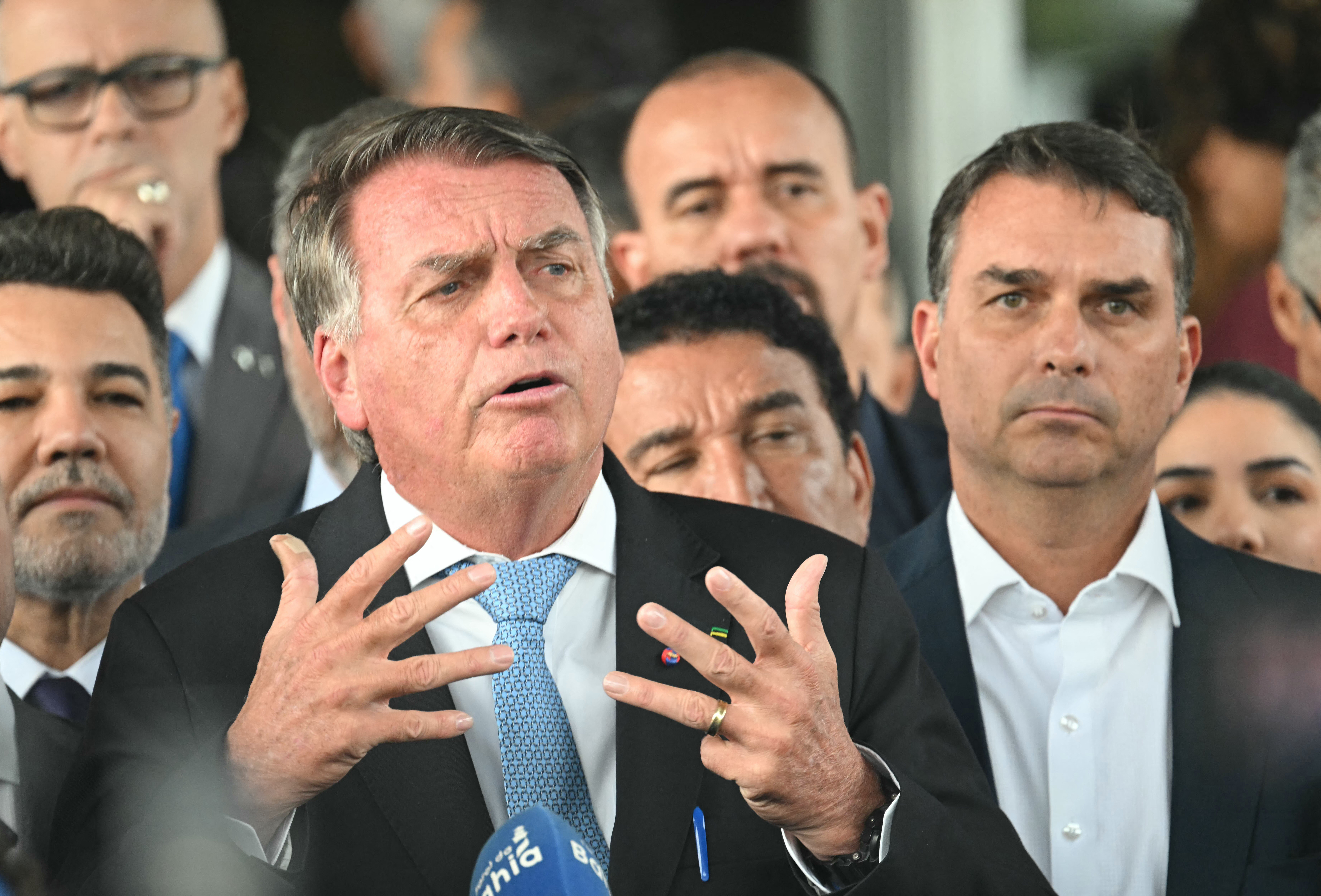
Brazilian Court Blocks Bolsonaro from Visiting Sons on Father's Day
Brazil's top court has issued a ban preventing former president Jair Bolsonaro from visiting his sons on Father's Day this Sunday. The decision enforces stricter visitation guidelines following recent legal disputes. The restrictions come after the Supreme Court ruled that the family had breached terms, with some reports noting previous actions, such as Flavio Bolsonaro reading letters online despite social media bans. Some court rulings have extended these blocks for longer periods.

IS-linked Militants Attack Congo Village; UN Imposes Sanctions on Armed Groups
An attack by militants affiliated with Islamic State-linked groups has reportedly killed at least 13 people in a village located in eastern Congo, near the border with Uganda. The region continues to face severe instability. Beyond these attacks, suspected fighters from the Allied Democratic Forces (ADF) have been active, and the UN Security Council recently imposed sanctions on leaders of various armed groups operating throughout eastern DRC.

Lionel Messi's Father and Agent, Jorge Messi, Dies at Age 68
Jorge Messi, the father and longtime agent of Argentine soccer legend Lionel Messi, died at the age of 68. Reports indicate he had been battling a long-term illness. Messi's father was instrumental in his son's career, having accompanied him to Europe when he signed with Barcelona as a teenager. He was widely recognized for his dedication and presence supporting Lionel throughout his professional life.

Solar eclipse to occur next week. Here is what to know (10 sources)
Solar eclipse to occur next week. Here is what to know (10 sources) This story has been covered by multiple news sources, providing comprehensive coverage from different perspectives. **www.npr.org** reports: Solar eclipse to occur next week. Here is what to know Solar eclipse to occur next week. Here is what to know : NPRBack ButtonSearch IconFilter Icon ### [Space](https://www.npr.org/sections/space/) Solar eclipse to occur next week. Here is what to know ====================================================== August 8, 20268:56 PM ET By [Chandelis Duster](https://www.npr.org/people/g-s1-23120/chandelis-duster) 
Democratic Socialist Francesca Hong Leads Wisconsin Governor Race Amid Scrutiny
Francesca Hong has emerged as a front-runner in the Wisconsin gubernatorial race, potentially making history as the state's first socialist governor. Her strong polling numbers position her as a significant figure in this critical battleground state. The campaign faces intense scrutiny regarding its democratic socialist platform and policy shifts, including evolving views on defunding police. Meanwhile, national Democratic figures have expressed skepticism about Hong’s electability, while others suggest alternative candidates may benefit from the primary outcome.
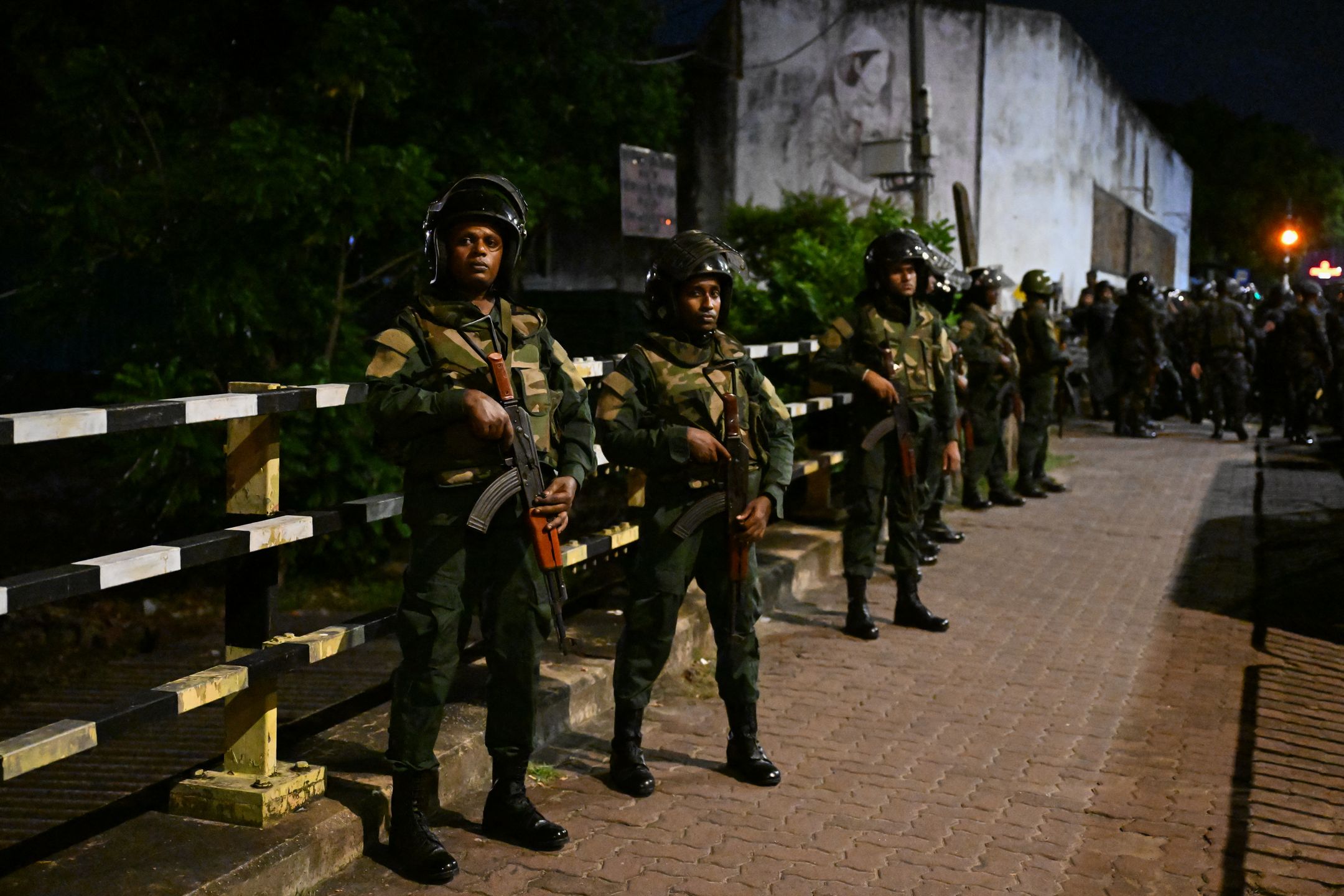
Three inmates killed in recent separate prison clashes across Sri Lanka
Sri Lanka reported that three inmates were killed and more than twenty people were injured during two separate, deadly prison clashes. The unrest has prompted the deployment of military troops to major correctional facilities, including Welikada and Magazine Prisons. Officials attribute the growing instability to severe overcrowding within the country's jail system, which is reportedly operating at capacity.
Take Yomuyo with you
Download the mobile app for personalized headlines and quick access to breaking stories.