

Voter Frustration and Economic Concerns Drag Down Trump's Approval Ratings

President Donald Trump's approval ratings are hovering near record lows, with polls showing his support dipping below 40% and net approval falling to -23. This decline is attributed to a confluence of factors, including voter frustration over the economy and foreign policy decisions. Key concerns include soaring inflation and unaffordable grocery prices, which voters feel are negatively impacting their lives. Furthermore, dissatisfaction extends to international relations, with analysts noting that while Iran's economic leverage remains strong, the current pause in conflict may not be lasting, raising risks for renewed confrontation.
Prefer swipe-first reading?
Install the app to keep reading with faster loads and a smoother mobile experience.
Sources
One stage of the Iran war has ended, but the world may be mistaking a pre-election pause for lasting peace. Tehran's economic leverage will likely remain strong through the U.S. midterm elections in November, but could weaken once the votes are counted, raising the risk of renewed confrontation afterward.
Fact Checks
Related news
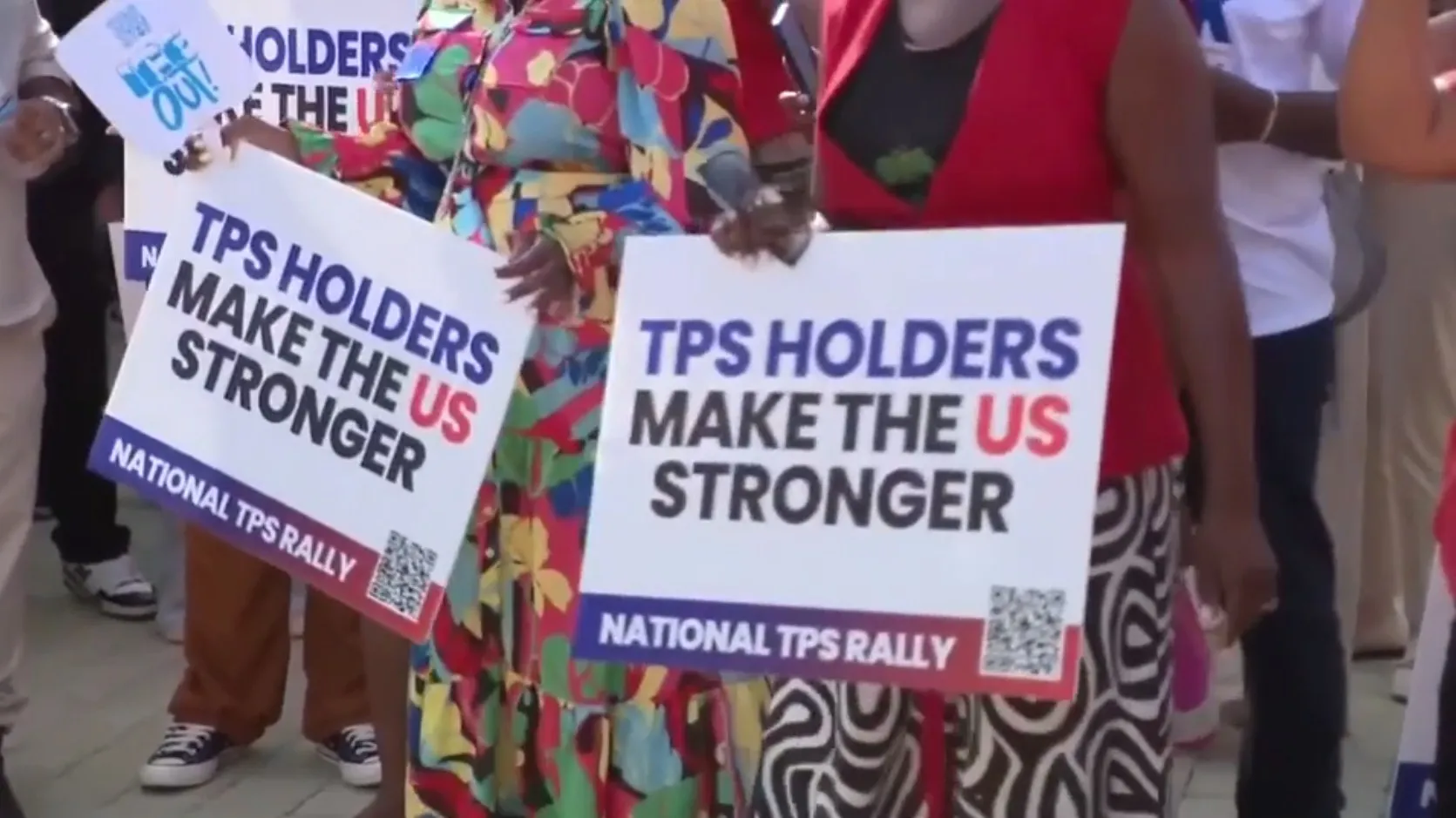
End of Haitian TPS Sparks Fears of Deportation and Economic Strain in South Florida
With the official end of Temporary Protected Status (TPS) for Haitian nationals, individuals in South Florida face immediate risks of detention and deportation. This development follows weeks of warnings and has prompted community leaders to rally against the looming deadline. The expiration is creating significant economic ripples throughout South Florida, leading to job losses in sectors like hospitality and forcing many Haitians into underground economies. Meanwhile, state officials are raising concerns about bolstering detention facilities, while medical providers adapt services for vulnerable populations.
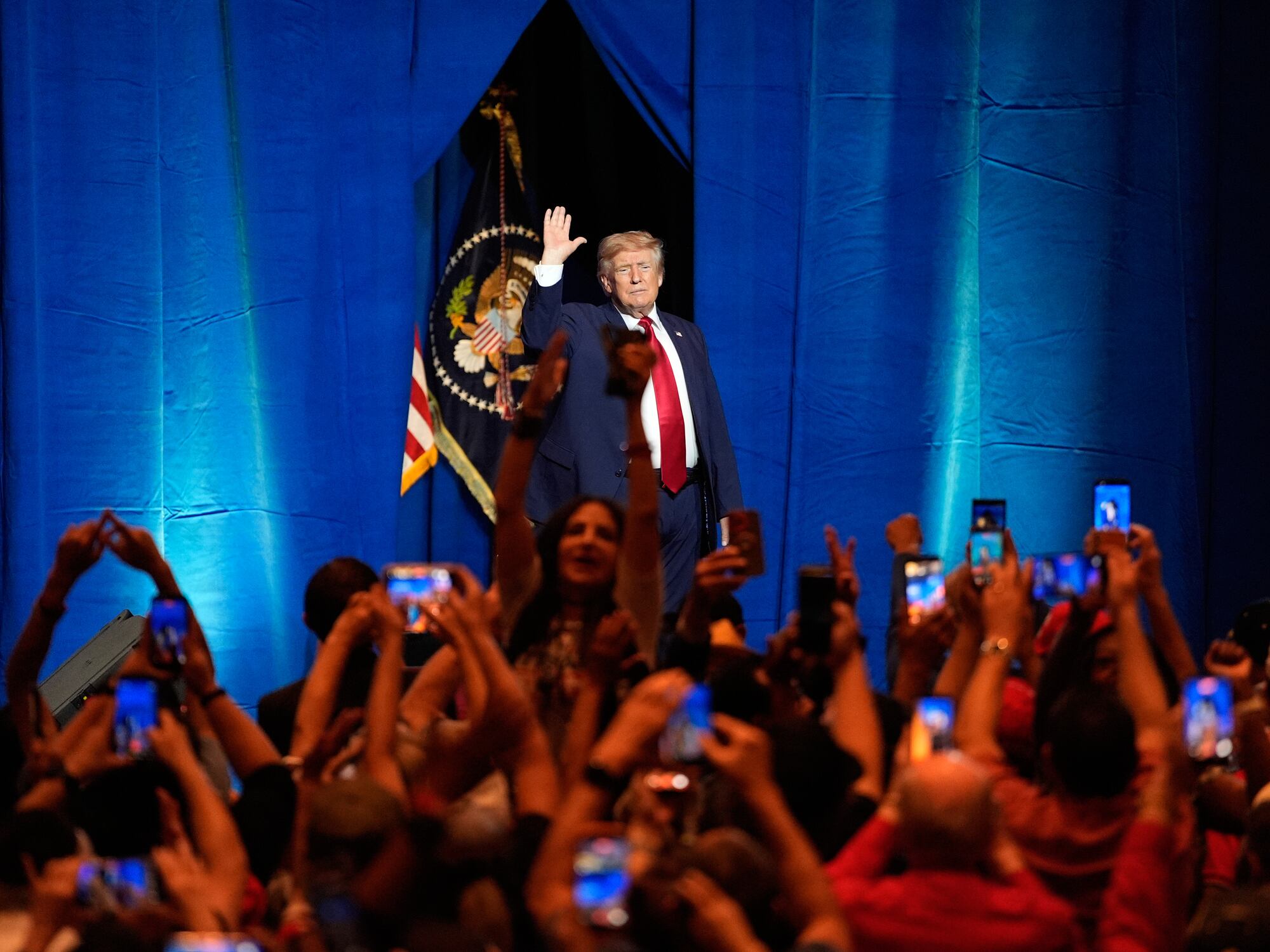
Trump Tours West Coast to Promote Economic Agenda Amid Inflation Concerns
President Donald Trump embarked on a two-day West Coast swing through California and Nevada, promoting his domestic agenda and efforts to highlight perceived economic strength. During the trips, he attended fundraisers and political events in areas like Los Angeles and Rancho Palos Verdes. The tour comes amid mounting public discussion regarding inflation and financial hardship. While Trump insists on the economy's robustness, some voters and editorials note significant struggles Americans are facing making ends meet.
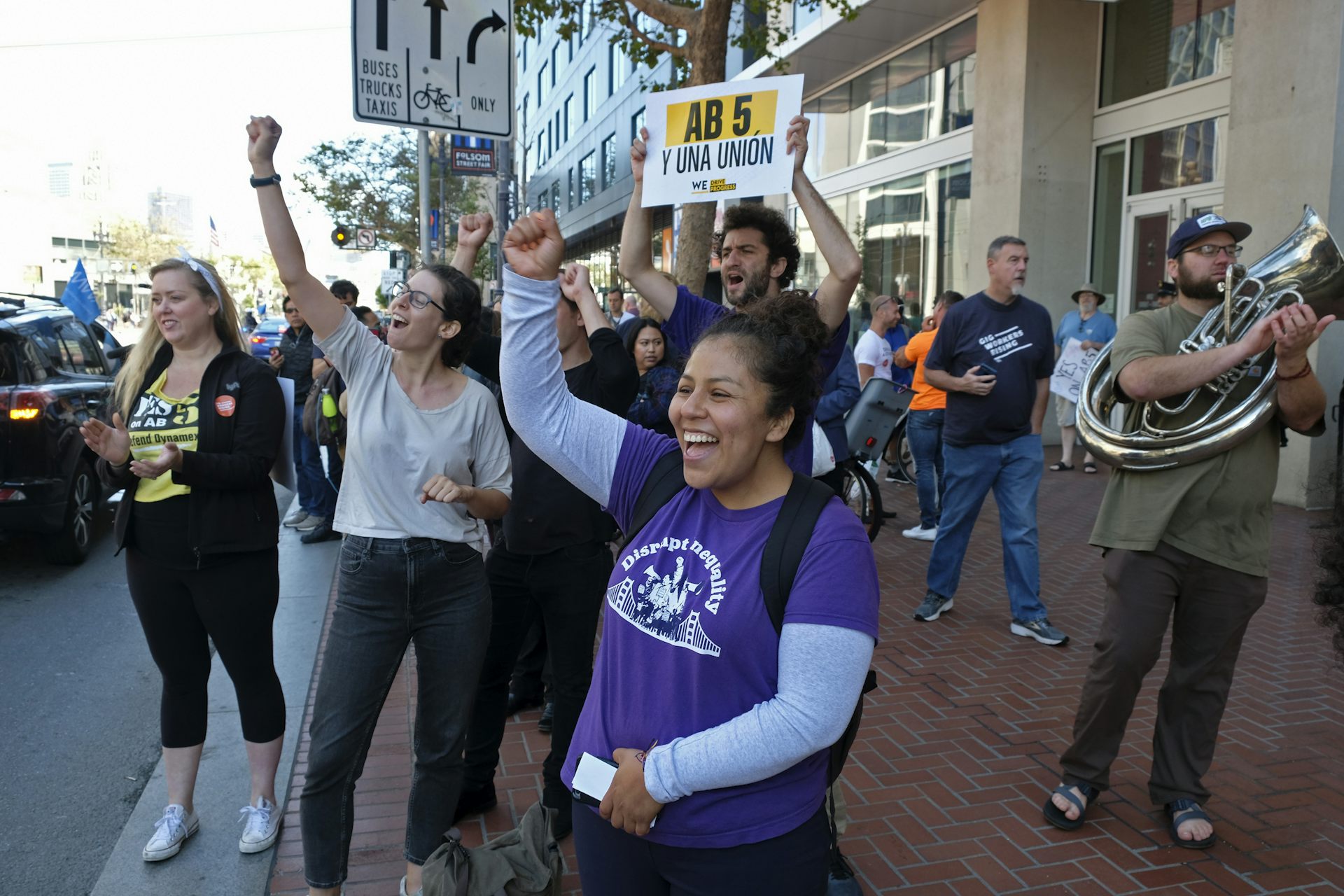
Job Market Shifts Force Workers to Embrace Upskilling and Career Reinvention
The modern job market demands constant reinvention, forcing Americans to pivot careers and adopt flexible work models due to sector slumps and rapid technological shifts. While AI skills show explosive growth potential, some industry leaders caution against panic, noting that the impact on the workforce remains uncertain. Workers must prioritize acquiring adaptable skills over relying solely on traditional degrees.

Ohtani’s Star Power Fuels Dodgers Contention Amid Injury Concerns
Shohei Ohtani remains a central figure for the Los Angeles Dodgers, generating significant commercial interest that extends beyond baseball into pop culture and tourism. While the team navigates recent losses, they are still viewed as heavy favorites in the World Series race. Ohtani continues to battle knee issues, leading to him sitting out some games but performing well when active. His star status has even created an economic phenomenon, drawing specialized fan travel packages and merchandising opportunities for the franchise.

U.S. Economy Sheds 23,000 Jobs in July; Labor Market Shows Mixed Signals
The U.S. labor market reported an unexpected decline of 23,000 jobs in July, marking a slowdown and ending a recent growth streak. Despite the job losses and wage gains (3.2%) lagging behind inflation, the unemployment rate slightly dropped to 4.1%. This mixed signal is forcing economists to reassess potential Federal Reserve interest rate decisions.

U.S. Sheds Jobs in July; Weak Payroll Data Fuels Questions Over Fed Rate Hike
The U.S. labor market showed signs of weakness in July, as nonfarm employers shed an unexpected 23,000 jobs. While the unemployment rate fell to 4.1%, this decline was partly attributed to a significant number of people leaving the labor force. The disappointing job figures and sharp downward revisions to prior payroll data have increased skepticism regarding potential Federal Reserve interest rate hikes, suggesting a cooling economic outlook.
Take Yomuyo with you
Download the mobile app for personalized headlines and quick access to breaking stories.