

Markets Rebound as U.S. Considers Releasing Iranian Oil to Ease Prices
Global stock markets staged a partial recovery on Friday, with the Dow Jones Industrial Average, S&P 500, and Nasdaq all climbing from steep losses earlier in the week. The rebound was driven by a key development: a retreat in surging oil prices after U.S. Treasury Secretary Scott Bessent suggested Washington may soon lift sanctions on Iranian crude stored on tankers. This potential move aims to increase global supply and ease price pressures following Iran's closure of the critical Strait of Hormuz, a major oil transit route, amid ongoing regional conflict. The week had been dominated by investor anxiety over the war between the U.S., Israel, and Iran, now in its third week. The geopolitical strife had sent energy prices soaring, fueling significant inflation worries and pressuring central bank policy. Federal Reserve Chair Jerome Powell acknowledged that "near-term measures of inflation expectations have risen in recent weeks, likely reflecting the substantial rise in oil prices." Despite this, a CNBC Fed Survey indicated most economists still expect the Fed to cut interest rates later this year, though the oil shock has introduced fresh uncertainty into the economic outlook. The positive shift in oil prices provided a catalyst for broad-based buying. The sentiment lift was also supported by strong corporate earnings and a resilient U.S. jobs market, evidenced by lower-than-expected weekly jobless claims. Similar rebounds were seen in Asian markets, including India's Sensex, which jumped over 700 points on the back of easing oil prices and positive global cues. Analysts caution, however, that the market's direction remains highly dependent on further geopolitical developments, the Fed's signals on inflation, and upcoming economic data, suggesting continued volatility ahead.
Prefer swipe-first reading?
Install the app to keep reading with faster loads and a smoother mobile experience.
Sources
Stock market today: Dow, S&P 500, Nasdaq futures climb as Iran war, inflation jitters set to send stocks to another losing week
US stock futures edged higher Friday as investors reacted to fresh remarks that appeared to dial back some of the market’s anxiety tied to the US-Isreali war with Iran. Futures linked to the Dow Jones Industrial Average (YM=F) rose 0.2%, while S&P 500 (ES=F) inched up 0.1% and Nasdaq 100 futures (^IXIC) held steady. ... As of 3:31:31 AM EDT. Market Open. ... Despite the late rebound...
Oil prices ease and Asian shares are mostly lower as energy supply worries over Iran war remain | AP News
The Iran war, which is in its third week, has sent energy prices soaring and is fueling global inflation worries. Concerns are also growing over the supply of oil and gas with the Strait of Hormuz, a crucial waterway for the energy supply located between Iran and Oman, largely closed. U.S. Treasury Secretary Scott Bessent on Thursday floated the possibility of lifting its sanctions on Iranian oil at sea in a potential attempt to ease ...
U.S. oil prices extended their decline Friday after Treasury Secretary Scott Bessent said Washington may soon lift sanctions on Iranian crude stored aboard tankers, a move aimed at easing price pressures following Iran's closure of the Strait of Hormuz.
Stocks fall for a second day, but close off session lows as oil surge eases: Live updates
First-time filings totaled just ... prior period and below the Dow Jones consensus estimate for 215,000. The move brought the four-week average down to 210,750 as the low-hire low-fire labor market statis continued. Continuing claims, which run a week behind, increased by 10,000 to 1.857 million. In other economic news, the Philadelphia ...
"Near-term measures of inflation expectations have risen in recent weeks, likely reflecting the substantial rise in oil prices caused by the supply disruptions in the Middle East," Powell said at a news conference in Washington.
us stock futures: Why are US stock market index futures down today, and Dow Jones, S&P 500 and Nasdaq in red now? Wall Street futures drop, analysts insights and market outlook explained. Here's what should investors do now - The Economic Times
Dow Jones, S&P 500 and Nasdaq recovery depends on Federal Reserve signals, oil price movement, and geopolitical developments. Market direction will also depend on inflation data, corporate earnings, and investor sentiment in coming sessions. ... us stock futuresus stocksstock market todaydow jones todays&p 500 todaynasdaq todayus market todaydow jones futuress&p 500 futuresnasdaq futures · (Catch all the US News...
Fact Checks
Related news
Treasury Deficits and Borrowing Concerns Highlight Massive Shortfall Risks
Concerns regarding massive government deficits persist, with some analyses suggesting the U.S. Treasury may need to borrow an additional $1.45 trillion over the next few years. These warnings stem from internal financial advisory committees and political reporting, highlighting how complex financial engineering has been used to manage large outstanding debts. While one regional report noted a specific country cutting domestic borrowing targets to ease credit risk, the primary focus remains on the scale of anticipated federal shortfalls.

T-Mobile Overhauls Financing Plans, Introducing New 36-Month Options for Phone Upgrades
T-Mobile has announced significant changes to its service structure, introducing new wireless plans built around lower initial costs and extended 36-month device financing options for customers. The move allows consumers to potentially get devices with $0 upfront payments. However, industry observers note that while these plans increase affordability, they also extend the duration of customer commitment, following the removal of previous 'better value' offerings.

Solana's Tokenized Assets Surge as Major Stocks and TradFi Interest Drive Record Volume
Solana's market activity reached new heights last quarter, reporting $5.8 billion in tokenized equity trading volume. This significant growth was largely fueled by major listings, including the record-breaking SpaceX IPO. The platform is attracting both entertainment and institutional capital, highlighted by the launch of a tokenized Take-Two Interactive (GTA 6 publisher) stock. Industry experts suggest that structured products like perpetual futures are key to migrating traditional finance assets onto the blockchain.

Public Sector Workforce Faces Dual Challenge of Talent Shortages and Modernization
Government agencies are undergoing significant technological overhauls, building connected digital systems to improve mission efficiency and productivity across the workforce. However, this modernization effort coincides with deep labor challenges. Workers face reports of 'third world' conditions in some areas, while simultaneously, technical fields struggle with a dire shortage of skilled workers retiring out of the job market.

Zebulon Finance Director Retires Weeks After State Audit Finds Financial Oversight Issues
A state auditor's report detailing serious financial mismanagement prompted the retirement of Zebulon’s finance director. The findings highlighted critical lapses in financial oversight within the eastern Wake County town. The audit specifically noted issues such as duplicate payments and inadequate record-keeping, prompting the auditor's office to call for immediate security improvements. Town officials acknowledged the report's findings, admitting to the seriousness of the documented financial problems.
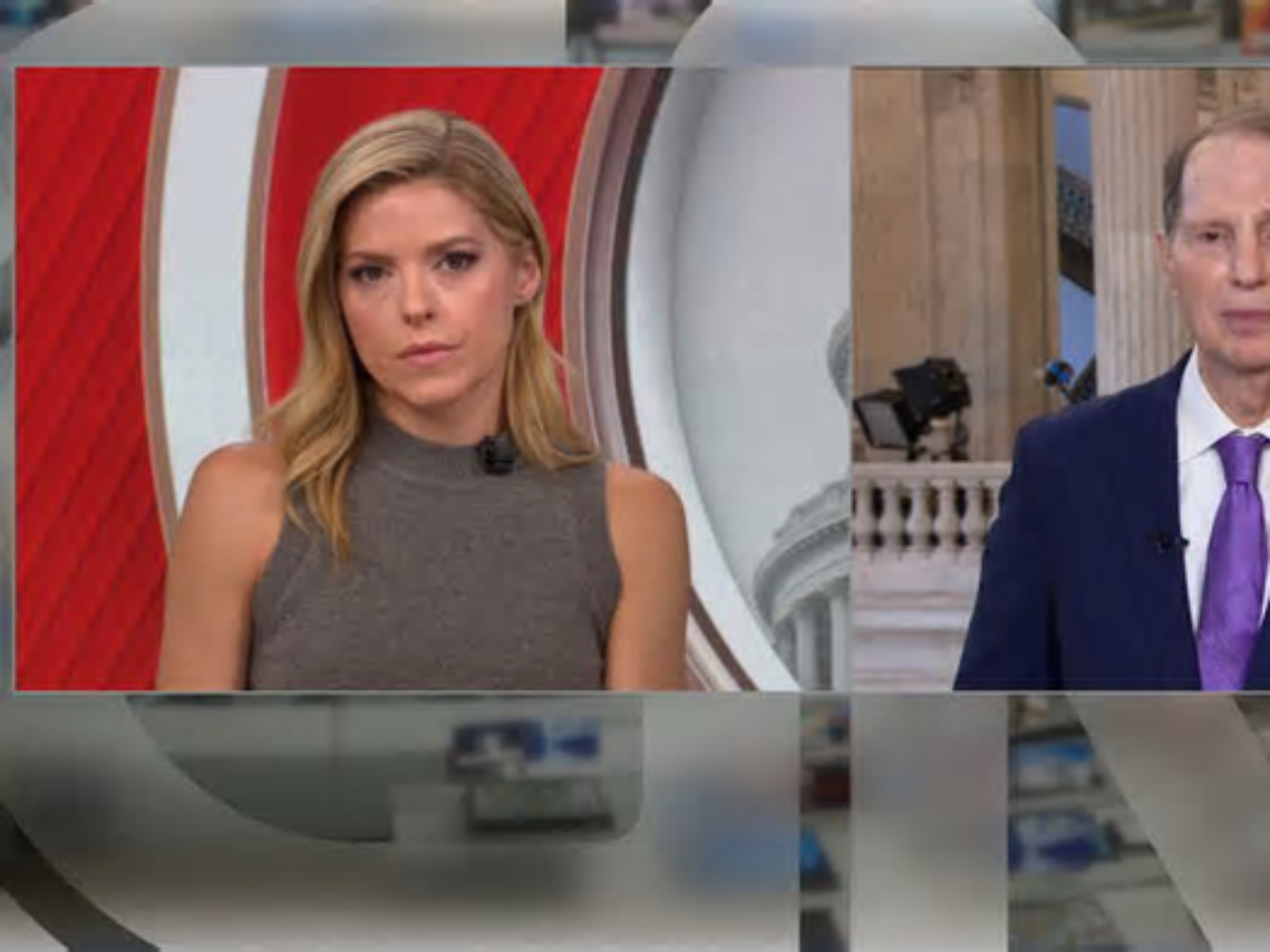
Lawmakers Cite Senate Report Finding Wall Street Banks Enabled Epstein's Trafficking Operation
Democrats on the Senate Finance Committee released a report concluding that prominent Wall Street institutions enabled Jeffrey Epstein's alleged sex trafficking ring. The findings detail how billions of dollars moved through these major banks over two decades, often involving unexplained cash withdrawals. Amid ongoing investigations and subpoenas in New Mexico, Senator Ron Wyden has claimed that media outlets, specifically CBS, are suppressing crucial information regarding the banks’ dealings with Epstein. These reports suggest a continued effort to obscure the full scope of financial complicity.
Take Yomuyo with you
Download the mobile app for personalized headlines and quick access to breaking stories.