

Post Layoffs Spark Rally: 'Democracy Dies in Darkness'

In a dramatic move that sent shockwaves through the media industry, Washington Post management laid off nearly a third of its newsroom staff in February 2026. The deep cuts, which overwhelmingly affected the sports desk, local coverage, and entire sections like the books department, were described by the Post News Guild as a hollowing out of the newsroom that would have consequences for the publication's 'credibility, its reach and its future.' The following day, hundreds of laid-off staff, Guild members, and supporters gathered for a 'Save the Post' rally outside the paper's Washington, D.C. headquarters. The mood was one of anger and sadness, with protesters expressing fear for the future of journalism and democracy itself, echoing the Post's own tagline, 'Democracy Dies in Darkness,' which was coined by its owner, Amazon billionaire Jeff Bezos. Critics, including The Guardian, pointed to the layoffs as evidence that ultra-wealthy owners prioritize 'private greed above the public good.' The event, covered as part of the Covering Climate Now collaboration, highlighted a broader assault on public service journalism. The layoffs and subsequent protest raise critical questions about the sustainability of news organizations under hyper-capitalist ownership, especially at a time when rigorous reporting on issues like climate change is increasingly vital.
Prefer swipe-first reading?
Install the app to keep reading with faster loads and a smoother mobile experience.
Sources
NewsGuild members are joined by other protesters during a rally outside the Washington Post office building on February 5, 2026, in Washington, DC.(Heather Diehl / Getty Images) This story is part of Covering Climate Now, a global journalism collaboration cofounded by Columbia Journalism Review ...
NewsGuild members are joined by other protesters during a rally outside the Washington Post office building on February 5, 2026, in Washington, DC.(Heather Diehl / Getty Images) This story is part of Covering Climate Now, a global journalism collaboration cofounded by Columbia Journalism Review ...
Laid‑off Washington Post staff rally outside DC headquarters after massive cuts - WTOP News
One day after the Washington Post laid off roughly a third of its newsroom, former staff and supporters gathered outside the paper’s Downtown D.C. headquarters to protest the cuts. The rally is organized by the Post News Guild and the Post Tech Guild l unions.
Learn this from Bezos and the Washington Post: with hyper-capitalists in charge, your news is not safe | Jane Martinson | The Guardian
Supporters of the Washington Post attend a rally held by guild members outside its office building on 5 February 2026. Photograph: Bonnie Cash/UPI/Shutterstock · Anyway, all this seems to go to show that uber-wealthy owners in the news industry are always going to put private greed above the ...
“Democracy Dies in Darkness. Bezos Is the Dark”: Photos From the “Save the Post” Rally. - Washingtonian
An unusual energy infused the “Save the Post” rally outside the Washington Post building Thursday: The publication had laid off a third of its newsroom the day before, so anger and sadness were more present than optimism.
‘Save the Post': Laid-off journalists rally outside Washington Post building
A day after The Washington Post laid off a third of its staff and eliminated entire sections of the paper – including sports and the books section – journalists rallied outside its building on K Street NW. “I think democracy dies without journalists,” one reporter told News4’s Paul Wagner.
Mass layoffs at Washington Post; hundreds of journalists cut as Bezos gives millions to Melania Trump | The NewsGuild - TNG-CWA
“A newsroom cannot be hollowed out without consequences for its credibility, its reach and its future,” said The Post Guild in a statement Wednesday morning. Guild members at the Post are planning a rally at 12 p.m. Thursday in front of the Post’s downtown Washington, D.C.
It was Jeff Bezos, the Amazon billionaire, who came up with the tagline “Democracy Dies in Darkness” for The Washington Post. According to a memoir by the paper’s former editor, Martin Baron, Bezos greenlit the “democracy” line after an internal staff favorite was rejected by his ...
Fact Checks
Related news
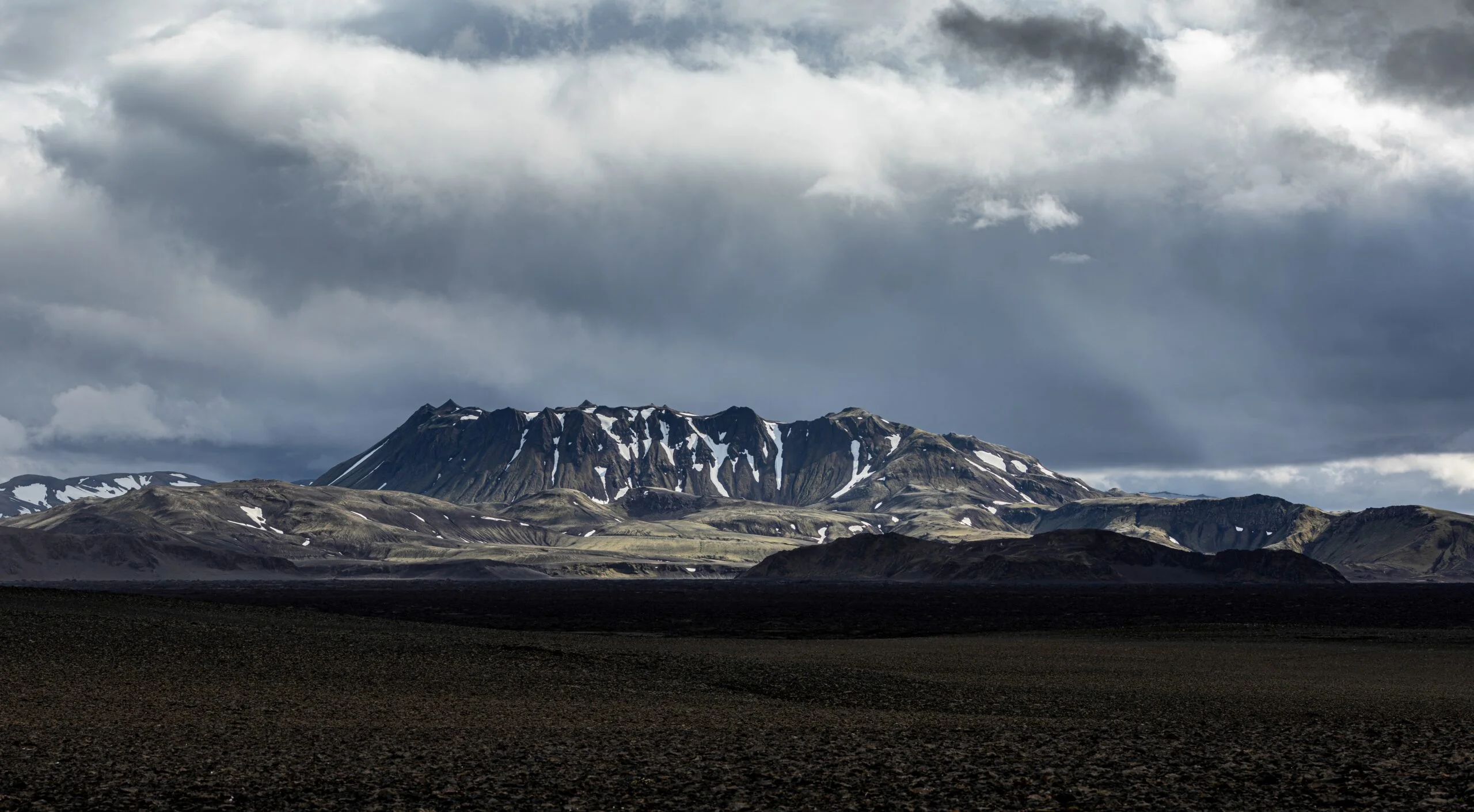
Underground Gases and Climate Swings Linked to Ancient Mass Extinctions
Scientists propose that volatile gases emanating from deep within the earth could be responsible for extreme climate shifts leading to ancient mass extinctions. This theory draws parallels between geological upheaval and major biological crises spanning hundreds of millions of years. Furthermore, research exploring gas shales has revealed unique ecosystems, including rock-eating fungi and tardigrades, suggesting that life continues to adapt in extreme environments. These findings underscore the deep connection between planetary geochemistry, climate stability, and biodiversity.
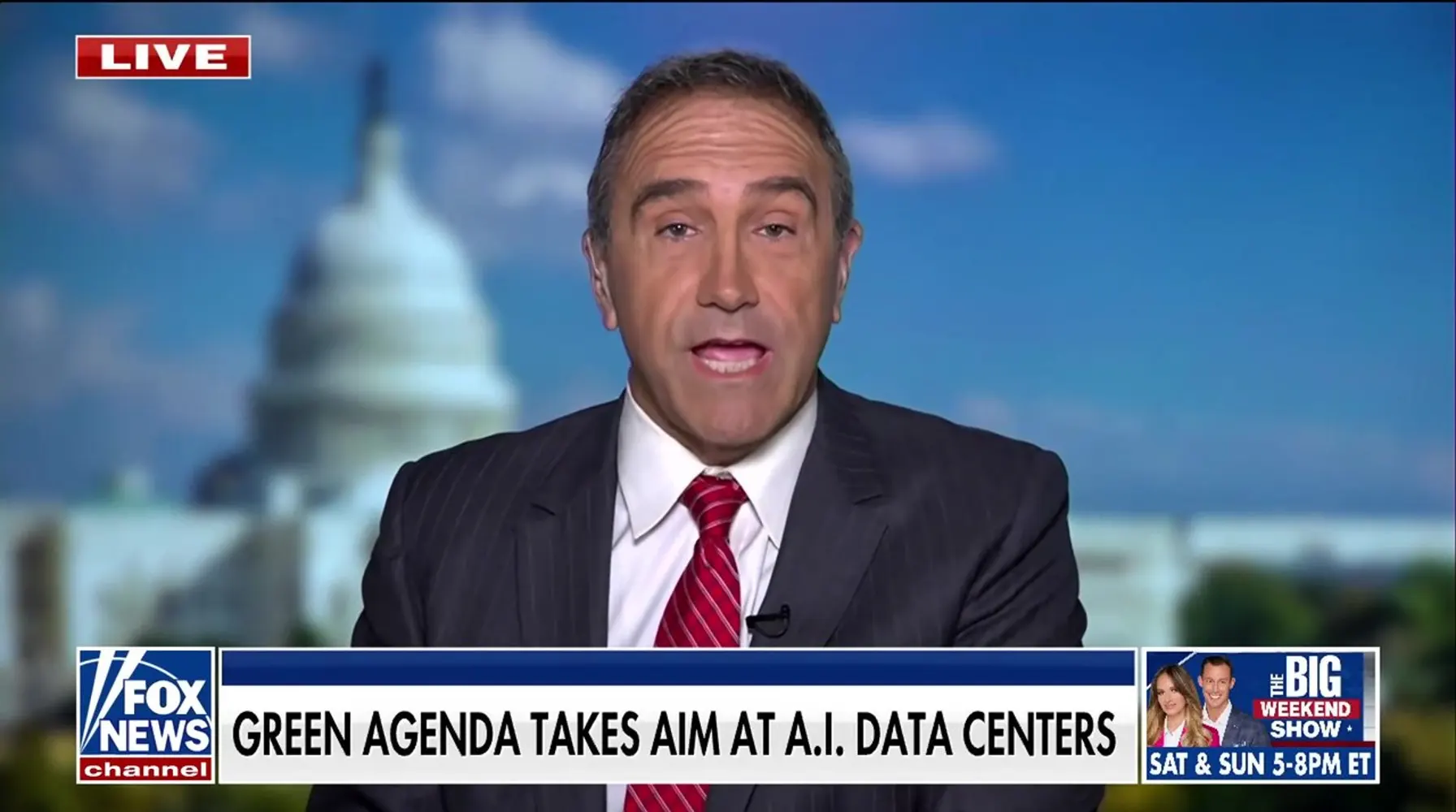
Data Center Backlash Intensifies Amid Energy Concerns and Local Opposition
A growing wave of opposition is targeting the rapid development of data centers across multiple states, driven by concerns regarding massive energy consumption, water usage, and potential damage to local communities. The debate remains highly polarized: while activists organize protests and file lawsuits demanding moratoria or stricter zoning (Pennsylvania, Oregon), industry proponents argue that these facilities are essential infrastructure for modern life, citing the necessity of AI and digital services.
Planned Amazon data center could become the biggest climate polluter i (10 sources)
Planned Amazon data center could become the biggest climate polluter i (10 sources) This story has been covered by multiple news sources, providing comprehensive coverage from different perspectives. **www.msn.com** reports: Planned Amazon data center could become the biggest climate polluter in the US Planned Amazon data center could become the biggest climate polluter in the US ; **www.yahoo.com** reports: Amazon’s Data Center Construction is Making Life Across the Street Unlivable, According to a Virginia Homeowner When it comes to data centers, there are tons of cases growing ever more serious around the country, uniting under a single ... **www.omanobserver.om** reports: New Amazon data center stokes worry in the US Amazon is investing in a large-scale natural-gas-burning power…
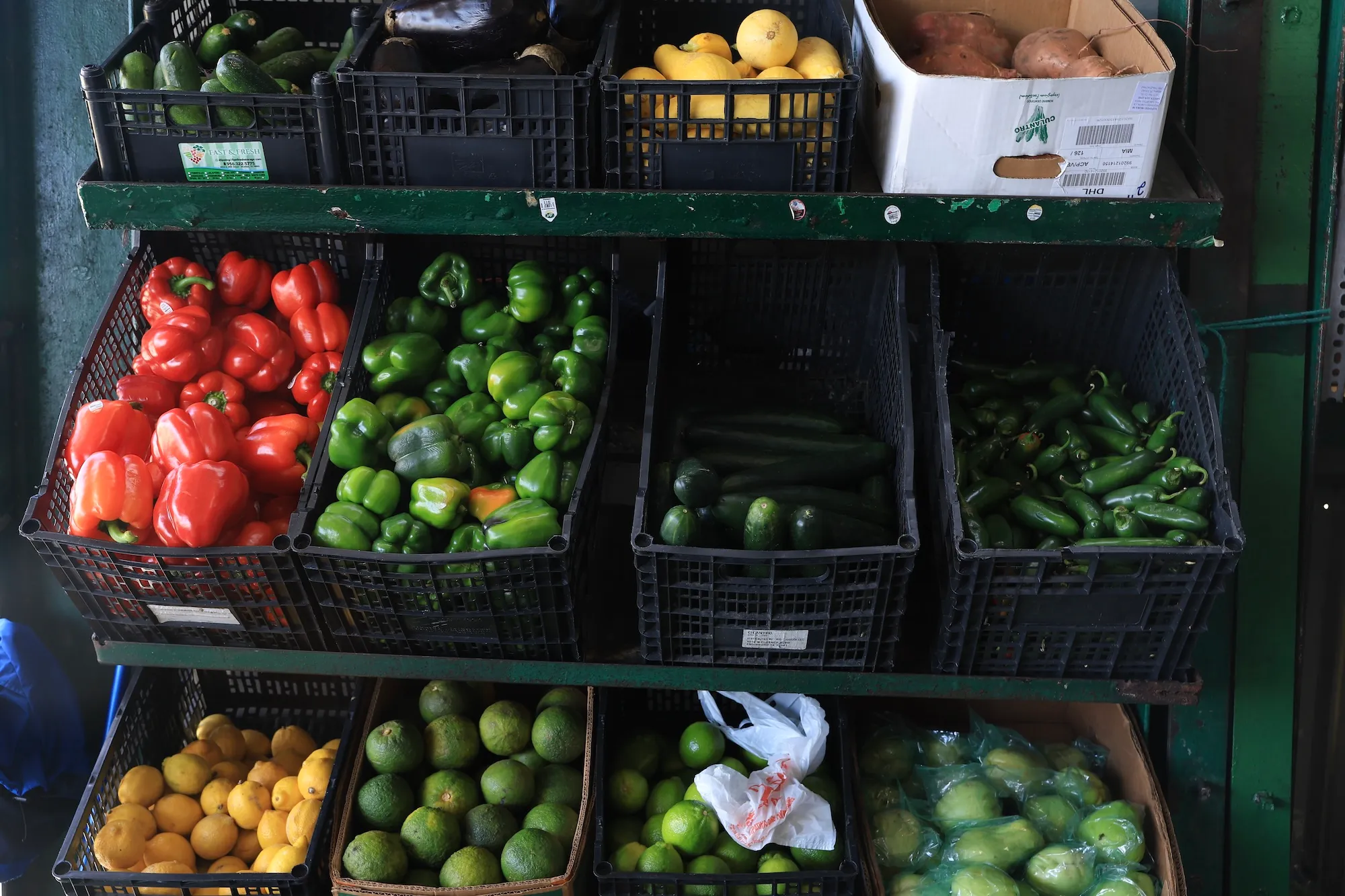
Optimizing Your Plate: A Guide to Seasonal Eating and Shopping at Farmers Markets
Following a seasonal produce guide is key to improving diet quality and sustainability. By prioritizing what your region grows naturally, consumers can access peak flavor and nutrition that often degrades when produce travels long distances. Beyond knowing what's in season, maximizing the farmer’s market experience requires smart shopping techniques—from early-bird picking to utilizing vendor deals—to ensure fresh finds last until the end of the week.

Detroit Officials Criticized for Language Access Gaps During Recent Emergencies
A statewide immigrant rights group criticized the City of Detroit after discovering multiple instances where official emergency announcements—such as those concerning hazardous smoke or extreme heat—were not translated for non-English speakers. The failure highlights gaps in mandated language access services meant to protect vulnerable populations. Meanwhile, local resources like the All Saints Literacy Center continue to provide vital one-on-one English instruction and support to Detroit's immigrant community.

Experts Warn Climate Change Will Worsen Foodborne Illnesses and Global Health Risks
Climate change poses a growing threat to global public health, intensifying risks from specific pathogens and complicating international responses. Beyond localized issues like worsening Cyclospora outbreaks in summer produce, the World Health Organization (WHO) has launched initiatives to map and strengthen knowledge regarding the health consequences of climate-related migration and displacement.
Take Yomuyo with you
Download the mobile app for personalized headlines and quick access to breaking stories.