

Steven Guilbeault Resigns as Mark Carney Shifts Canada's Climate Policy

Steven Guilbeault, a former Greenpeace activist and environment minister, is resigning from caucus due to a policy shift under Prime Minister Mark Carney. Carney has moved away from the environmental agenda of the Trudeau government, eliminating the consumer carbon tax and modifying industrial pricing and methane regulations. The only major new initiative introduced by the Carney administration thus far is a set of federal vehicle regulations. Critics and analysts suggest these rollbacks affect sectors accounting for 75 percent of Canada's emissions, including oil, gas, and transportation. While some view this as a necessary adjustment, others, including commentators in The Guardian, argue the shift will increase domestic emissions and carbon pollution through expanded oil and gas…
Prefer swipe-first reading?
Install the app to keep reading with faster loads and a smoother mobile experience.
Sources
ANALYSIS | Trudeau's climate policy architects gather as Carney changes course | CBC News
Former Prime Minister Justin Trudeau and his former climate change cabinet ministers — Catherine McKenna, Jonathan Wilkinson and Steven Guilbeault — on Wednesday were at the Rideau Club, a private social club near Parliament Hill. David Thurton · CBC News ·
Steven Guilbeault will exit the ... Justin Trudeau on climate policy. Steven Guilbeault speaks during the fourth session of the U.N. Intergovernmental Negotiating Committee on Plastic Pollution in Ottawa on April 23, 2024. Dave Chan/AFP via Getty Images · OTTAWA — Mark Carney’s ...
Carney’s climate policy is splitting the Left. Here’s what it means for the Liberals, Conservatives, and the NDP - The Hub
Steven Guilbeault, longtime high-profile Greenpeace activist turned Liberal MP, former environment and climate change minister, and driving force behind the Trudeau government’s divisive green policies, is resigning over Carney’s climate policies. This follows news from last week that 14 ...
Carney’s climate retreat covers 75 percent of Canada’s emissions—and is splitting his own caucus - The Hub
The sectors affected by Mark Carney’s climate rollbacks—buildings, transportation, oil and gas, heavy industry, and electricity—account for roughly 75 percent of Canada’s total greenhouse gas emissions. That is not a minor policy adjustment. It is a notable retreat from the environmental agenda that defined the Trudeau ...
Canadian prime minister Mark Carney is not the climate guy you thought | Seth Klein | The Guardian
Surely, some still hold, Carney ... absent Trudeau’s performative nonsense. But one year in, we’re letting go. There is no scenario in which these policy shifts do not increase both Canada’s domestic emissions and, even more, downstream carbon pollution elsewhere through the expansion of oil and gas exports. Apologies to be the bearer of bad news. Shed a little tear for us. Then back to the fight. The Canadian climate movement is ...
The next big climate policy moment: unveiling of federal vehicle regulations - Canadian Climate Institute - Blog
This is really the first new climate policy the Carney government has announced. Every other policy it inherited from the previous Trudeau government and has either eliminated (like the consumer carbon tax) or retained in a changed form (like industrial carbon pricing and methane regulation).
Fact Checks
Related news
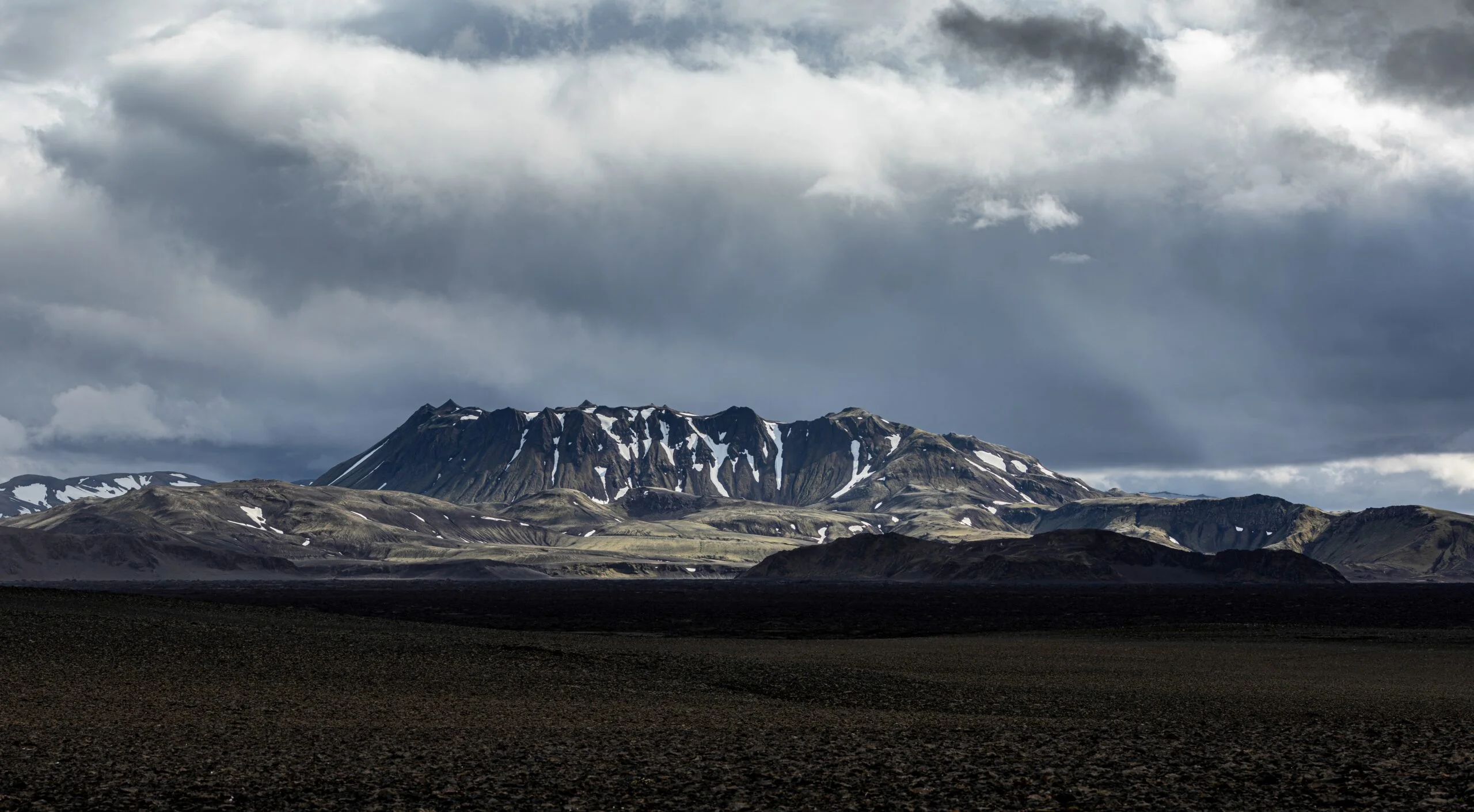
Underground Gases and Climate Swings Linked to Ancient Mass Extinctions
Scientists propose that volatile gases emanating from deep within the earth could be responsible for extreme climate shifts leading to ancient mass extinctions. This theory draws parallels between geological upheaval and major biological crises spanning hundreds of millions of years. Furthermore, research exploring gas shales has revealed unique ecosystems, including rock-eating fungi and tardigrades, suggesting that life continues to adapt in extreme environments. These findings underscore the deep connection between planetary geochemistry, climate stability, and biodiversity.
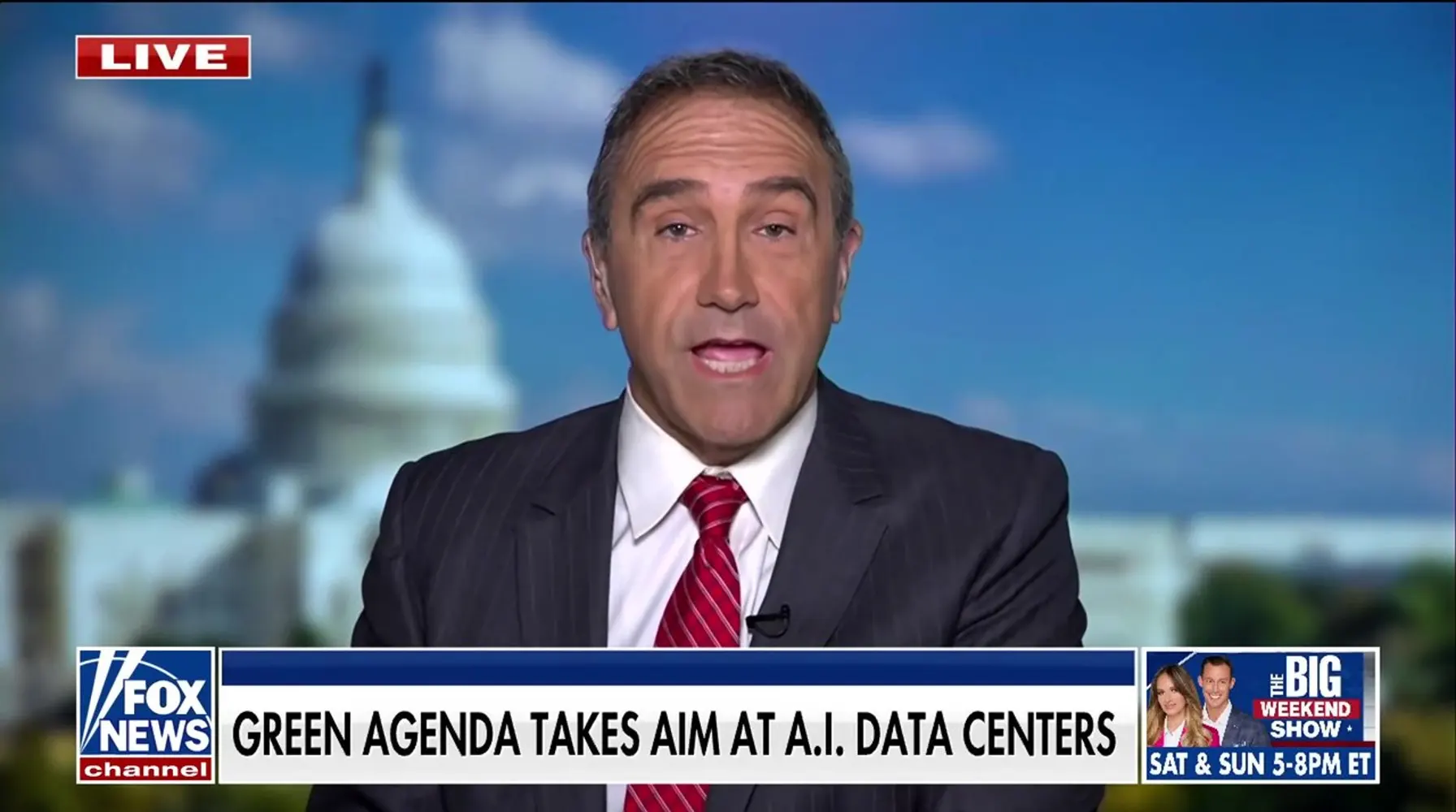
Data Center Backlash Intensifies Amid Energy Concerns and Local Opposition
A growing wave of opposition is targeting the rapid development of data centers across multiple states, driven by concerns regarding massive energy consumption, water usage, and potential damage to local communities. The debate remains highly polarized: while activists organize protests and file lawsuits demanding moratoria or stricter zoning (Pennsylvania, Oregon), industry proponents argue that these facilities are essential infrastructure for modern life, citing the necessity of AI and digital services.
Planned Amazon data center could become the biggest climate polluter i (10 sources)
Planned Amazon data center could become the biggest climate polluter i (10 sources) This story has been covered by multiple news sources, providing comprehensive coverage from different perspectives. **www.msn.com** reports: Planned Amazon data center could become the biggest climate polluter in the US Planned Amazon data center could become the biggest climate polluter in the US ; **www.yahoo.com** reports: Amazon’s Data Center Construction is Making Life Across the Street Unlivable, According to a Virginia Homeowner When it comes to data centers, there are tons of cases growing ever more serious around the country, uniting under a single ... **www.omanobserver.om** reports: New Amazon data center stokes worry in the US Amazon is investing in a large-scale natural-gas-burning power…

Optimizing Your Plate: A Guide to Seasonal Eating and Shopping at Farmers Markets
Following a seasonal produce guide is key to improving diet quality and sustainability. By prioritizing what your region grows naturally, consumers can access peak flavor and nutrition that often degrades when produce travels long distances. Beyond knowing what's in season, maximizing the farmer’s market experience requires smart shopping techniques—from early-bird picking to utilizing vendor deals—to ensure fresh finds last until the end of the week.

Detroit Officials Criticized for Language Access Gaps During Recent Emergencies
A statewide immigrant rights group criticized the City of Detroit after discovering multiple instances where official emergency announcements—such as those concerning hazardous smoke or extreme heat—were not translated for non-English speakers. The failure highlights gaps in mandated language access services meant to protect vulnerable populations. Meanwhile, local resources like the All Saints Literacy Center continue to provide vital one-on-one English instruction and support to Detroit's immigrant community.

Experts Warn Climate Change Will Worsen Foodborne Illnesses and Global Health Risks
Climate change poses a growing threat to global public health, intensifying risks from specific pathogens and complicating international responses. Beyond localized issues like worsening Cyclospora outbreaks in summer produce, the World Health Organization (WHO) has launched initiatives to map and strengthen knowledge regarding the health consequences of climate-related migration and displacement.
Take Yomuyo with you
Download the mobile app for personalized headlines and quick access to breaking stories.